
Traveling with a dog can be as challenging as it is rewarding, but it becomes much easier with proper training. Around 37% of dog owners face difficulties during car rides, primarily due to their pets’ anxiety and restlessness. Addressing this includes training your dog to be comfortable in crates and staying calm in cars from a young age.
Historically, the concept of crate training dates back to the 1960s and has proven indispensable in conditioning dogs for travel. Recent studies show that 78% of dogs trained in crate usage exhibit less stress during car rides. Incorporating calming techniques like familiar smells and proper reinforcement can significantly improve a dog’s travel experience.
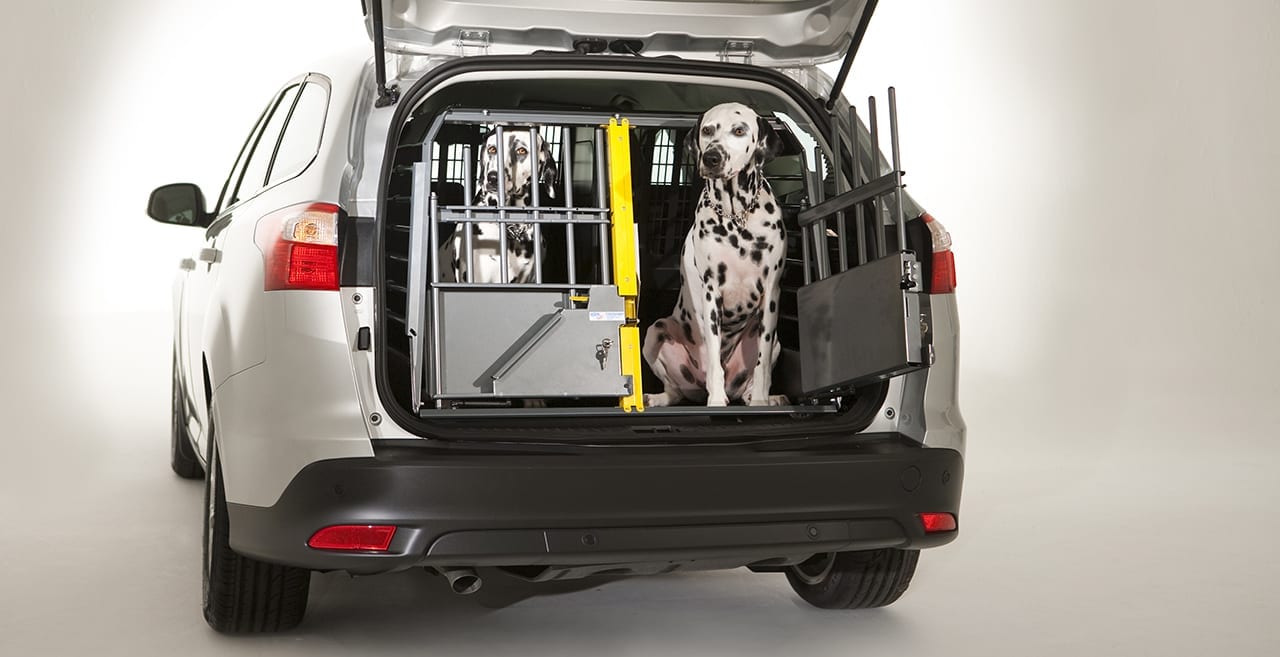
Choosing the right crate size is the first step in training your dog for travel. The crate should be large enough for your dog to stand, turn around, and lie down comfortably. This will provide the necessary space for your dog to relax during long trips. It’s crucial to make this space feel like a safe haven for your pet. Using blankets and toys can help make the crate more inviting.
Introducing your dog to the crate should be done gradually to avoid stress. Begin by placing treats and toys inside the crate to encourage your dog to enter on its own. Once the dog is comfortable, start closing the door for short periods. Gradually increase the duration to help your dog get used to being in the crate. Patience is key during this process.
In addition to treats, use positive reinforcement to create a positive association with the crate. Praise your dog whenever it enters the crate willingly. Consistency is vital; make sure to practice crate training sessions regularly. Eventually, your dog will start seeing the crate as a safe and comfortable place. This will make travel much less stressful for both of you.
Lastly, always ensure your dog gets plenty of exercise before a trip. An adequately exercised dog is more likely to rest in its crate during travel. A tired dog is a calm dog, reducing the chances of anxiety and restlessness. Incorporate these techniques to ensure a smooth and pleasant travel experience. Following these steps will help create a peaceful journey for both you and your furry friend.
When selecting a crate for your dog, size is the most important factor. The crate should be large enough for your dog to stand, turn around, and lie down comfortably. Measure your dog from nose to tail to ensure a good fit. This way, your pet won’t feel cramped or uncomfortable. A well-sized crate can help reduce anxiety during travel.
Crates come in various materials, each suited for different needs. Wire crates offer excellent ventilation and visibility, making them ideal for dogs who like to see their surroundings. Plastic crates are more enclosed and can help dogs feel more secure. Soft-sided crates are lightweight and perfect for smaller dogs. However, they are less durable and not suitable for chewers.
Consider your dog’s behavior when choosing a crate. If your dog is a chewer, avoid soft-sided crates, as they can be easily damaged. For anxious dogs, a plastic or metal crate might offer more security. Crate training is easier with the right crate, matching your dog’s comfort and behavioral needs.
Additional features like handles, removable tray floors, and collapsible designs can make a crate more convenient to use. Handles make it easier to carry the crate, and removable trays allow for easy cleaning. Collapsible crates are great for storage when not in use. Investing in a crate with these features can make travel more convenient for you and your pet.
Introducing your dog to the crate requires patience and positive reinforcement. Begin by placing tasty treats and a favorite toy inside the crate. This will encourage your dog to enter the crate willingly. Make sure the crate is in a quiet and comfortable area of your home. This helps your dog associate the crate with positive experiences.
Once your dog starts entering the crate on its own, gradually close the door for a few seconds. Open it before your dog becomes anxious to build trust. Repeat this process, slowly increasing the time the door remains closed. Use a calm and encouraging tone during these sessions. Consistency will make your dog more comfortable over time.
Incorporate the crate into your dog’s daily routine. Feed your dog its meals inside the crate to create a positive association. Begin with the door open and then try closing it while your pet eats. This helps your dog see the crate as a safe and pleasant space. Over time, your dog will start to feel more secure inside the crate.
To make the crate even more inviting, use soft bedding and familiar items. Items with your scent can provide comfort and reduce anxiety. Ensure the crate is not used for punishment, as this can create negative feelings. Using these techniques, your dog will gradually accept the crate as a safe and welcoming place. Following these steps can make traveling with your pet much easier.
Creating a comfortable crate environment for your dog is crucial for successful crate training. Start with the bedding. Use soft, washable materials that your dog will find cozy. Avoid items that might cause a choking hazard. Ensure the bedding is clean and free of any sharp objects.
Adding a few of your dog’s favorite toys can make the crate feel more inviting. Chew toys can help keep your pet occupied during longer periods. Choose durable toys that are safe for unsupervised play. Squeaky or interactive toys can add an element of fun. Familiar items with your scent can offer extra comfort.
The location of the crate matters too. Place it in a quiet, low-traffic area of your home where your dog can relax undisturbed. However, it should still be close enough to the family to avoid feelings of isolation. This balances a sense of safety with social inclusion. This positioning helps your dog feel both secure and connected.
A crate cover can also enhance comfort by creating a den-like atmosphere. Covers can help reduce distractions and make the space cozier. However, ensure there is still adequate ventilation. Monitor your dog’s reaction to the cover and adjust as needed. Not all dogs will appreciate the same changes.
It’s beneficial to keep a consistent routine when using the crate. Regularly scheduled breaks for exercise, potty times, and play can make your dog view crate time as part of a predictable and safe routine. Consistency is key in building a positive association. Keeping track of feeding, play, and rest routines helps in training.
Scheduled crate training sessions help dogs become accustomed to their new space. Start by setting a consistent schedule for when your dog will spend time in the crate. Begin with short periods, such as 10 to 15 minutes, and gradually increase the duration. Consistency is key to helping your dog understand that the crate is a safe place. This structured approach minimizes stress and anxiety.
Use positive reinforcement during these sessions to encourage good behavior. Offer treats and praise when your dog enters the crate willingly. Over time, increase the time your pet spends in the crate while you are at home. This helps build a positive association between the crate and pleasant experiences. Consistent rewards make the crate a more attractive place for your dog.
It’s important to schedule breaks for bathroom needs and exercise. Never leave your dog in the crate for too long, especially during the initial phases. A good rule to follow is aligning crate time with your dog’s age in months plus one hour. This routine ensures that your dog doesn’t become frustrated or restless. Regular breaks help maintain balance and comfort.
Gradually incorporate the crate into daily routines such as feeding and napping times. This integration helps your dog see the crate as a normal part of daily life. Feeding your dog inside the crate can make it feel like a safe and rewarding environment. Over time, the crate will become a go-to spot for rest and relaxation. Consistent practice is essential for success.
Use the following schedule as a guide:
| Age (Months) | Maximum Crate Time |
|---|---|
| 2 | 3 hours |
| 4 | 5 hours |
| 6 | 7 hours |
By adhering to a consistent, well-planned schedule, you help your dog gradually gain confidence in the crate. Patience and persistence are crucial throughout this process. Stick to the routine, and soon your pet will view the crate as a safe and comfortable resting place. This preparation makes future travel and alone times easier.
Preparing your dog for car journeys is essential to ensure a stress-free experience for both of you. Start with short, positive rides to help your dog get used to the car. Gradually increase the duration of these trips. Use a consistent and calm tone to reassure your pet. This initial training sets the foundation for calmer future travels.
Create a comfortable space for your dog in the car. Use a crate or a pet seatbelt to keep them secure. This prevents your dog from moving around, which can be distracting and dangerous. Bring along familiar items like a blanket or a toy. These familiar scents and objects can be soothing for your pet.
Keeping your dog cool and hydrated during the trip is also important. Ensure the car is well-ventilated and make frequent stops for water breaks. Avoid feeding your dog right before the trip to prevent motion sickness. Light snacks and treats can be given during breaks. Monitoring their comfort levels is crucial.
Playing calming music can help create a more relaxed environment for your dog. Certain types of music have been shown to reduce anxiety in dogs. Keep the volume at a comfortable level. Experiment with different genres to see what your dog prefers. This technique can make long journeys more enjoyable.
Use the following tips for a smooth car journey:
By following these steps, you can prepare your dog for calm car journeys. Patience and consistent practice will make a significant difference. Ensuring your pet feels safe and comfortable will lead to a more pleasant travel experience. A well-prepared dog will be a happier travel companion.
Traveling can be stressful for dogs, but with the right techniques, you can make the experience easier. Begin by familiarizing your dog with basic commands like sit, stay, and come. These commands help manage your dog’s behavior during travel. Practice these commands regularly to ensure they are well-learned. Consistent training is key.
Use positive reinforcement to reward good behavior. Offer treats, praise, or a favorite toy when your dog behaves calmly in new environments. This encourages them to repeat the behavior. Avoid punishment as it can increase anxiety. Positive interactions build trust and confidence in your pet.
Create a travel checklist to ensure you have everything needed for your dog’s comfort:
Avoid overstimulation by gradually introducing your dog to new sights and sounds. Start with less crowded areas before progressing to busier locations. Short walks in varied environments can help desensitize them. Familiarity reduces fear and stress over time. Be patient during this adjustment period.
If traveling by air, visit the vet beforehand for a health checkup and travel tips specific to flying. Some airlines may require health certificates or specific crate types for travel safety compliance. Crating during flights keeps pets safe and contained in unfamiliar settings. Preparation minimizes last-minute complications.
The following table summarizes essential tips:
| Tip | Description |
|---|---|
| Basic Commands Training | Makes managing behavior easier during travel. |
| Positive Reinforcement | Encourages calm behavior through rewards. |
| Avoid Overstimulation | Gradually introduce new environments. |
| Vet Visit Before Air Travel | Makes sure the pet is fit to fly; meets airline requirements. |
A calm approach makes adjusting easier whether traveling short distances or setting out on longer adventures together! Your dog will feel more at ease if they sense that you are also relaxed!
Training techniques for crates and travel can be applied in various scenarios to make your dog’s experience smoother. When taking a road trip, use the crate training to keep your dog calm and contained in the car. This helps to prevent distractions and ensures safety. Make sure to take frequent breaks to let your dog stretch and relieve itself. Consistent training leads to stress-free travels.
If you are traveling by plane, crate training becomes even more crucial. Airlines often require pets to be in an approved travel crate. Familiarity with the crate will make the flight less stressful for your dog. Arrange a health check-up and any necessary vaccinations before travel. Preparation is key for smooth air travel.
When using public transport like buses or trains, having a well-trained dog is essential. Basic commands such as sit and stay are particularly useful in these settings. Practice short trips on public transport to get your dog accustomed to the experience. Use treats and praise to reinforce calm behavior. This ensures your dog remains well-behaved in busy environments.
Camping trips can also benefit from crate training. A crate provides a safe space for your dog in the unfamiliar outdoor setting. Keep the crate close to your camping area to make your dog feel secure. Include your dog’s favorite blanket or toy to add comfort. These steps help your dog adjust quickly to new surroundings.
The following table outlines key tips for each travel scenario:
| Scenario | Key Tips |
|---|---|
| Road Trip | Use crate training, take frequent breaks. |
| Air Travel | Ensure crate familiarity, complete health check-ups. |
| Public Transport | Train basic commands, use treats and praise. |
| Camping | Provide a familiar crate space, include favorite items. |
Applying these training techniques in different scenarios ensures your dog remains calm and well-behaved. Consistent practice and preparation can make traveling with your pet a joy. Every journey becomes an opportunity for your dog to learn and adapt. A well-trained dog is a happy travel companion.
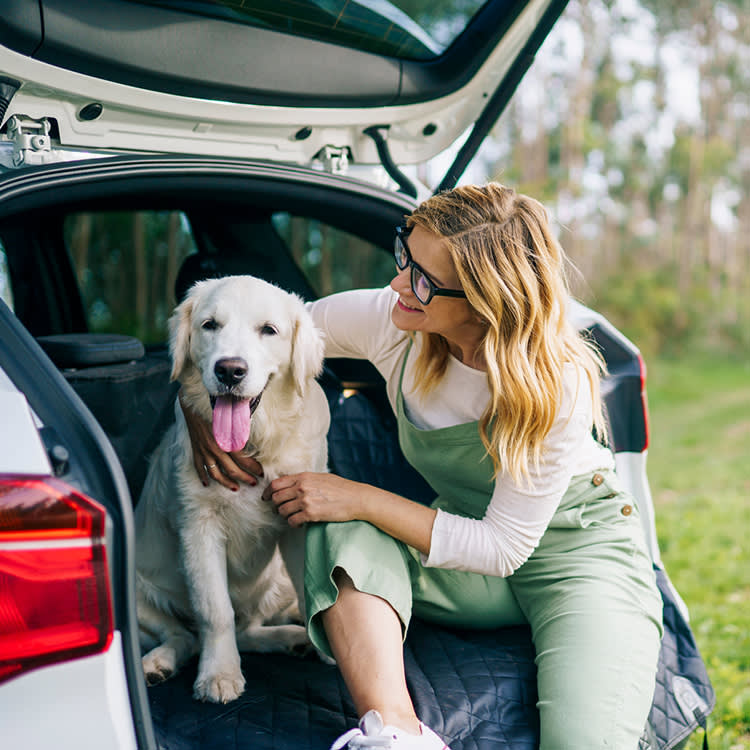
Training your dog for travel can make journeys smoother and more enjoyable. Here are some common questions dog owners ask about traveling with their pets.
Ideally, you should start crate training your dog a few weeks before your trip. Begin with short periods and gradually increase the duration to ensure your dog feels comfortable in the crate.
By allowing enough time for this gradual adjustment, your pet will associate the crate with positive experiences. The key is consistency and patience, which will help reduce any travel-related anxiety.
If your dog gets anxious in the car, try to make the environment as stress-free as possible. Use a secure crate or a pet seatbelt to keep your dog safe and steady during the trip. Additionally, play calming music and avoid sudden starts and stops.
Short, frequent practice rides can help your dog get used to the car. Reward calm behavior with treats and praise. Slowly increasing the length of car rides can make your dog more comfortable over time.
While temperament varies among individual dogs, some breeds are naturally more adaptable to travel. Breeds like Labrador Retrievers and Beagles are often more eager and calm travelers.
However, with proper training and preparation, all breeds can become good travel companions. It’s essential to understand your dog’s unique needs and take appropriate steps to make travel as comfortable as possible.
It is recommended to avoid feeding your dog a large meal right before the journey. This minimizes the risk of motion sickness, which can make travel unpleasant for your pet.
Offer a light snack a few hours before the trip and ensure your dog has access to water. During the journey, take regular breaks for your dog to stretch and relieve itself.
Pack essential items like a leash, harness, portable water bowl, and enough food for the trip. Including your dog’s favorite toys and a familiar blanket can provide added comfort and help reduce anxiety.
Also, carry any necessary medications and a first-aid kit. Ensuring you have all the essentials will make the journey more comfortable for both you and your dog.
Training your dog for travel involves a combination of crate familiarity, car ride practice, and behavioral reinforcement. By starting early and being consistent, you can help your pet feel more secure and comfortable during trips. This preparation not only benefits your dog but also ensures a smoother, more enjoyable journey for you.
Whether traveling by car, plane, or public transport, the key is to create a stable and predictably safe environment for your dog. With patience, regular practice, and positive reinforcement, your dog will become a more relaxed and happy traveler, making all your adventures together more pleasant.