
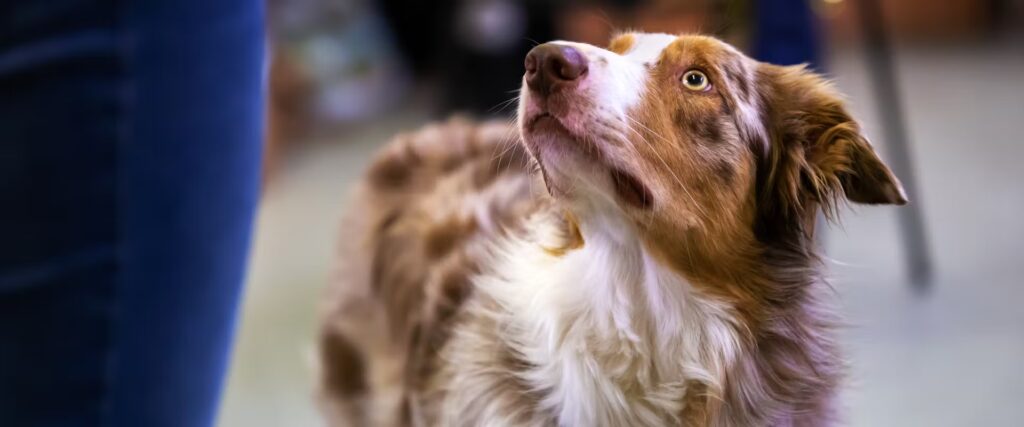
Successfully house training your dog requires understanding canine behavior patterns and committing to a structured daily schedule. Whether you’re starting with a puppy or working with an older rescue, the fundamentals remain the same. If you’re feeling overwhelmed, consulting with a local dog obedience trainer can provide personalized guidance tailored to your specific situation. This guide covers everything from reading your dog’s signals to creating the ideal learning environment, giving you practical strategies to help your furry friend master this essential skill.
Understanding your dog’s behavior is essential when it comes to successfully house training them. Dogs communicate through their actions, body language, and vocalizations. By paying close attention to these cues, we can anticipate when they need to go outside. Signs such as restlessness, sniffing around, or circling indicate that your furry friend may need a potty break. Beyond that, understanding your dog’s individual preferences, such as where they prefer to relieve themselves, can help streamline the house training process. Keep in mind that each dog is unique, so what works for one may not work for another. By observing and learning from your dog’s behavior, you can tailor your training approach to fit their specific needs, leading to a successful house training experience.
To successfully house train your dog, consistency in establishing a routine is key. Dogs thrive on predictability, so setting a regular schedule for feeding, potty breaks, playtime, and walks is essential. Start by taking your dog outside first thing in the morning, after meals, before bedtime, and frequently throughout the day. Accidents happen, especially during the learning process, so remain patient and stick to the routine. Keep a close eye on your dog’s behavior and schedule to anticipate when they may need to go outside. By maintaining a consistent routine, you help your dog understand expectations while creating a stable environment that promotes successful house training.
Consistently rewarding your dog for positive behavior is a highly effective method in house training. When your furry companion demonstrates the desired behavior, such as eliminating outside or waiting patiently, praise them enthusiastically and offer a tasty treat. Positive encouragement helps your dog associate good behavior with pleasant outcomes, encouraging them to repeat it. Timing is critical; reward your dog immediately after they display the desired behavior to strengthen the connection effectively. Be consistent in your praise and rewards to support the desired actions. By utilizing positive encouragement, you teach your dog good habits while strengthening your bond through positive interactions, making the training process a fulfilling experience for both of you.
When accidents happen during the house training process, responding calmly and promptly helps minimize setbacks. Accidents are a natural part of the learning process for your dog, so reacting harshly only creates confusion. If you catch your dog in the act, calmly interrupt them and take them outside to their designated potty area. Avoid punishing your dog after the accident has occurred, as they won’t associate the punishment with the action. Instead, focus on reinforcing positive behavior when they go potty in the right spot. Clean up accidents thoroughly with an enzymatic cleaner to remove any lingering scent that may attract your dog back to the same spot. Accidents are temporary bumps on the road to a well-house-trained pup.
Ensuring our dog feels secure and comfortable in their environment during the house training process sets them up for success. Providing a safe and cozy space for our furry companions is necessary for successful house training. Start by designating a specific area for your dog that includes a comfortable bed, water, toys, and access to a designated bathroom spot. Keep the environment clean and free of hazards to prevent accidents and reduce stress. Providing regular outdoor breaks and positive support in the form of praise or treats can help create a positive association with the designated potty area. Consistency and patience are key in establishing a secure and comfortable environment that supports effective house training.
Addressing common house training challenges requires identifying the root cause of the issue and implementing targeted solutions to support your dog’s learning process effectively. One common issue is inconsistent scheduling, which can confuse your dog. To overcome this, establish a strict routine for feeding, potty breaks, and playtime. Another challenge is territorial marking, often seen in unneutered males. Neutering can help reduce this behavior. If your dog continues to have accidents indoors, revisit the basics of reward-based training and support good behavior consistently. For dogs with anxiety-related accidents, creating a calming environment with comforting scents and soothing music may be beneficial. Patience and consistency are key when troubleshooting house training challenges.
Related Topics:
Proven methods. Lasting results.