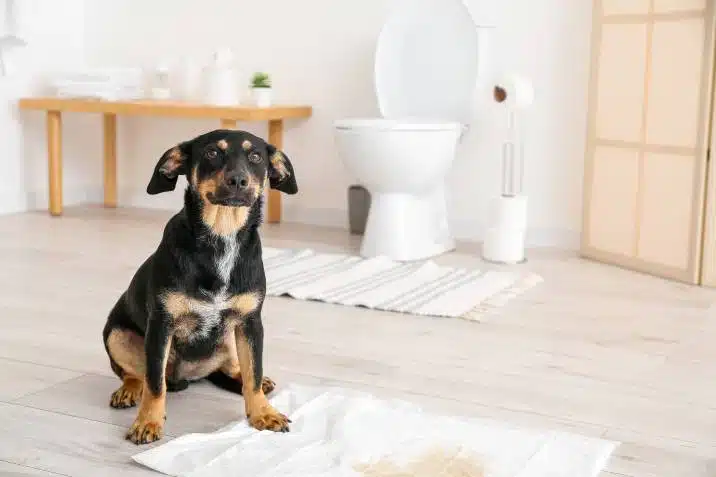
Potty training a dog is more than just a daily task, it’s about building a reliable routine and communicating clear expectations. Whether you’re raising a puppy or helping an older dog adjust to new habits, this guide lays out a practical process to follow. A quality pet training specialist can also offer helpful guidance, especially if your dog needs extra support during the learning phase. With consistency, patience, and positive attention, you’ll be well on your way to helping your dog succeed.
Begin with a predictable potty schedule to help your dog understand the right times to go outside. Dogs respond well to structure, so it’s helpful to take them out first thing in the morning, after meals, before bedtime, and at regular intervals throughout the day. Watch for signs like sniffing, circling, or pacing, which may signal the need to relieve themselves. Once your dog goes to the appropriate place, be quick to praise or reward the behavior. Keeping the schedule steady helps your dog learn what to expect and speeds up the training process.
Where your dog relieves themselves plays a role in building routine. Select a location that your dog can access easily and consistently. The area should be far from your dog’s sleeping and eating spots to prevent confusion. Whether it’s a patch of grass, a section of artificial turf, or another surface, use the same type each time so your dog begins to associate it with bathroom breaks. The space should also feel safe and comfortable, which helps your dog relax and complete the task more easily.
Rewarding the right behavior is one of the most effective ways to encourage learning. After your dog uses the proper potty area, offer praise, a treat, or a short playtime to let them know they’ve done well. The reward should come immediately after the action to make the connection clear. Be consistent, and make sure everyone in your household follows the same approach. Over time, your dog will understand what’s expected and look forward to the positive attention that follows a job well done.
Accidents are a normal part of the training process, and how you respond matters. If your dog starts to go in the wrong place, interrupt them gently and take them to the correct spot right away. Avoid reacting with frustration or punishment, as this can create stress and delay progress. Instead, clean the area thoroughly to remove any lingering scent that could attract another accident. Staying calm and steady helps reinforce trust and encourages your dog to keep trying.
Being consistent in your actions, commands, and timing builds a strong foundation for your dog’s learning. Use the same door for outdoor trips, stick to familiar commands like “go potty,” and keep your responses predictable. Dogs learn best when the same behaviors are met with the same outcomes. This kind of structure builds habits that stick. When your dog follows through, respond in a way that clearly signals they’ve made the right choice.
Progress, even small, deserves recognition. While consistency keeps the training on track, showing enthusiasm when your dog succeeds can deepen the bond you share and keep them motivated. A cheerful voice, a favorite toy, or a walk in the park after a successful potty trip can go a long way. These moments help reinforce the idea that going in the right place is not only expected but also rewarding.
Related Topics:

Ian is the Head Trainer at Off Leash K9 Training NOVA, dedicated to helping dogs and their owners build better communication, confidence, and lasting obedience. With a practical, balanced approach to dog training, Ian works with dogs of different breeds, ages, and temperaments to develop reliable skills both at home and in everyday situations.
Proven methods. Lasting results.