
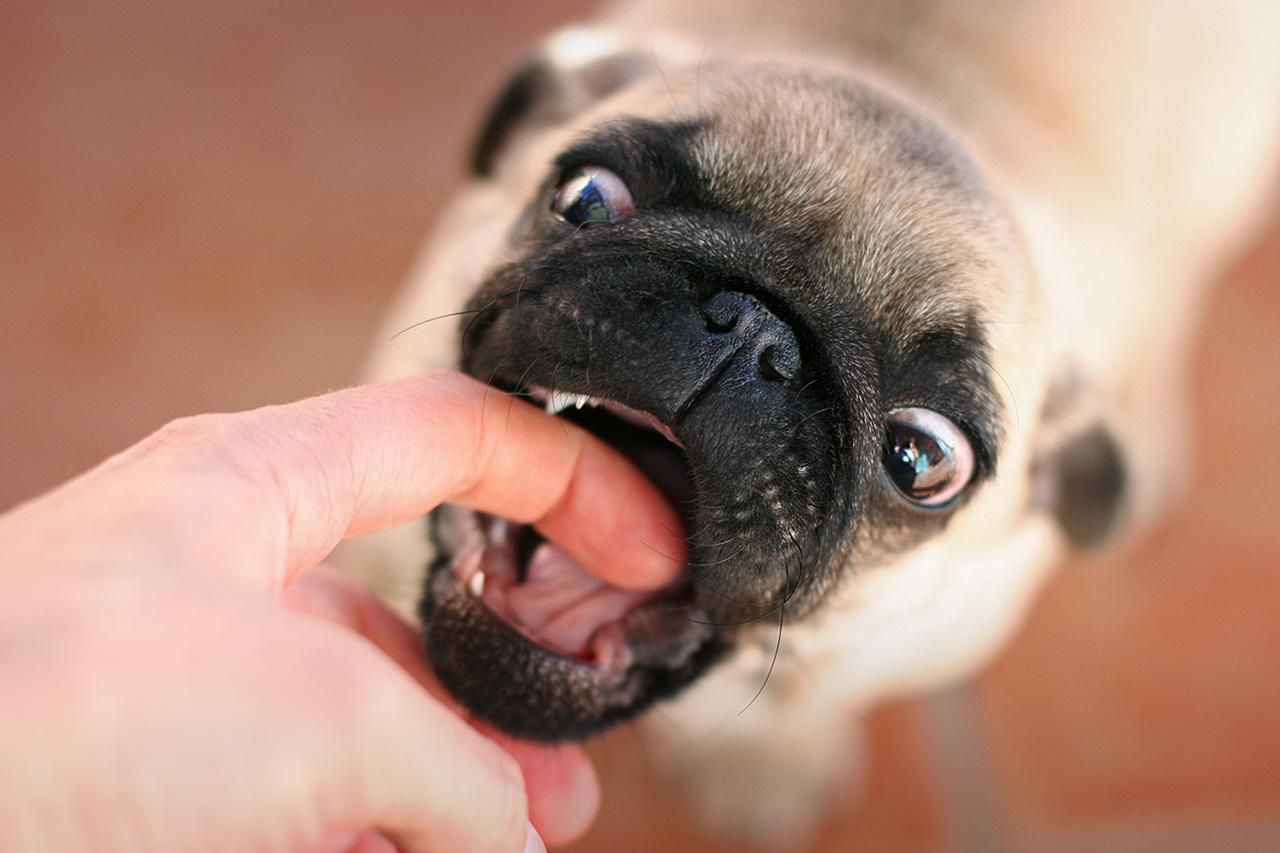
Training a dog not to bite takes patience, consistency, and the right approach. Dogs bite for different reasons: fear, anxiety, overexcitement, or lack of proper socialization. A leading dog training school will tell you that understanding your dog’s behavior is the first step toward fixing the problem. This post covers body language, socialization, positive reinforcement, bite inhibition, and when to get professional help. With the right techniques, you can teach your dog to interact safely with people and other animals.
Dogs communicate through their body language, and reading those signals matters when you’re trying to stop biting behavior. They show their emotions through posture, facial expressions, and tail movements. A relaxed dog usually has a loose body, wagging tail, and open mouth. An anxious or aggressive dog might show stiff posture, raised fur, and a closed mouth. By picking up on these signals, you can predict their behavior and step in before a bite happens. Dog owners and trainers need to learn how to spot and respond to these cues so everyone stays safe.
Early socialization helps your dog feel comfortable in different situations. The best time to expose your puppy to new people, animals, places, and experiences is during the critical window between 3 and 14 weeks of age. This can prevent fear and aggression problems down the road. Set up controlled meetups with friendly dogs, sign up for puppy classes, visit new places, and have guests come over so your dog learns how to act around others. Always supervise these interactions to keep things positive and safe. Good socialization early on builds a confident dog that’s less likely to bite when facing something unfamiliar.
Positive reinforcement means rewarding good behavior so your dog wants to repeat it. When training a dog not to bite, this approach works well. Praise and reward your dog when they play gently or hold back from biting. You can use treats, toys, or verbal praise as rewards. Timing matters; reward the behavior right away, so your dog connects the action to the reward. For example, if your dog greets someone without nipping, give them a treat immediately. By consistently rewarding the right actions, your dog learns that gentle behavior gets them what they want. This method also strengthens the bond between you and your dog.
Bite inhibition teaches your dog to control how hard they bite during play. One method that works is yelping. When your dog bites too hard, let out a high-pitched yelp like another dog would if they got bitten too roughly. This tells your dog that the bite was too much. After yelping, stop playing for a short time so your dog understands that biting too hard ends the fun. Stay consistent with praise and gentle play, and give treats when your dog shows restraint. With repetition and positive reinforcement, your dog will learn to soften their bite over time.
If you’re struggling to stop your dog’s biting on your own, professional trainers can help. They have the knowledge and experience to address your specific dog’s issues. Here’s why professional training can make a difference:
A safe environment sets your dog up for good behavior. Start by removing anything dangerous, toxic substances, sharp objects, or small items that your dog could swallow. Keep electrical cords out of reach and block off areas where your dog could get stuck or hurt. Give your dog a comfortable, quiet spot to rest away from busy parts of the house. Use baby gates or crates to limit access to certain rooms when needed. Make sure your dog always has fresh water, appropriate toys, and a designated bathroom area. Taking these steps helps prevent accidents and gives your dog a safe space to relax.
Related Topics: