
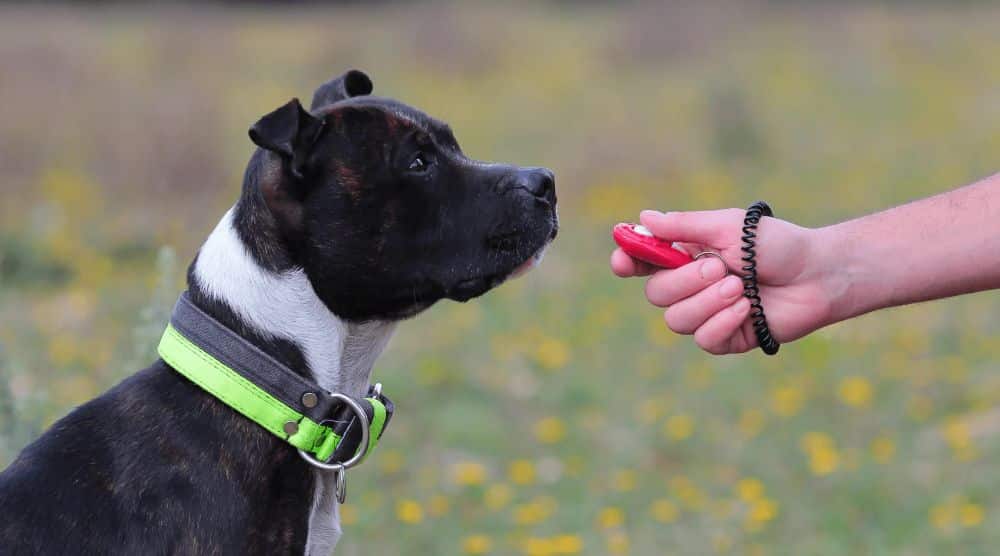
Clicker training is one of the most effective ways to teach your dog new behaviors and build a stronger bond. Excellent dog trainers have relied on this method for years because it creates clear communication between you and your pup. The concept is straightforward: you use a small clicking device to mark good behavior, then follow up with a treat. This post covers the basics of clicker training, how to pick the right clicker, and techniques for taking your dog’s skills to the next level. We’ll also go over common problems you might run into and how to fix them.
Getting the core principles of clicker training down sets you up for success when teaching your dog new behaviors. Clicker training is a type of positive reinforcement that uses a distinct sound to mark good behaviors, followed by a reward. The secret to making it work comes down to timing and consistency. Click the exact moment your dog does what you want, then give them a treat right away. This creates a clear connection between the action and the reward in your dog’s mind. When your dog understands what earned them that treat, they’re way more likely to repeat the behavior. At its core, clicker training is about communication and making learning a positive experience for your pup.
Picking the right clicker means considering sound level, size, and ease of use so you can communicate clearly during training. Go with a clicker that makes a sharp, distinct sound your dog can hear even in the presence of distractions. It should fit comfortably in your hand for quick, precise clicks. Smaller clickers tend to work better since they’re easy to carry in your pocket and handle during training sessions. Make sure the button responds well and doesn’t need too much pressure to click. Getting these details right makes the whole training process smoother for both of you.
Learning the basic techniques gives you a solid starting point for communicating with your dog during training. Start by creating a clear marker signal, click the clicker, then give a treat so your dog connects the sound with something good. Timing matters a lot here; click right when your dog does the behavior you want. For more complex tasks, break them into smaller steps and reward progress along the way. You can also “capture” behaviors by clicking when your dog naturally does something you like. Targeting is another useful technique in which you teach your dog to touch an object with their nose or paw, and click and treat when they do. Stay consistent, be patient, and keep sessions short and focused.
Once your dog has the basics down, like sitting and staying, you can move on to more advanced training. Think agility courses, advanced obedience commands, or fun tricks like rolling over or playing dead. Gradually increasing the challenge of tasks keeps your dog engaged and learning. Use the clicker to clearly mark the behavior you want so your dog knows exactly what you’re asking for. This helps them understand your expectations and pushes them to perform at their best. Over time, you’ll see real improvement in their skills and responsiveness.
Some issues are bound to come up during training, but they’re usually easy to fix. Timing is a big one; make sure you click at the exact moment of the desired behavior, or your dog might get confused. If your dog seems bored or checked out, try switching to higher-value treats or taking a quick break. Inconsistent rewards can send mixed signals, so always reward correct behaviors consistently. When your dog struggles with a new command, break it into smaller, simpler steps. Don’t rush the process; patience goes a long way. If your dog shows signs of fear or aggression, reach out to a professional trainer to address any underlying issues safely.
Adding clicker training to your everyday routine strengthens communication and deepens your connection with your dog. Set aside a few short training sessions throughout the day rather than one long one. Consistency matters, so work clicker training into regular activities like feeding, walks, and playtime. Before meals, ask for a simple command, like “sit,” and click when your dog sits. On walks, use the clicker to reward good leash behavior. During play, click to reinforce behaviors you want to see more of. Keep it fun and rewarding so your dog stays interested. When clicker training becomes part of your normal routine, you’ll notice better communication and a closer bond with your pup.
Related Topics: