
Training methods evolve with time, influenced by breakthrough studies and observations. A prominent example is the 2017 study revealing that puppies trained with positive reinforcement were 33% more likely to display desired behaviors than those trained with traditional methods. But how does this apply when comparing the effectiveness of positive reinforcement between puppies and adult dogs?
Positive reinforcement for puppies often involves using frequent, small rewards to capitalize on their rapid learning periods. In contrast, adult dogs, although receptive, may require a different approach due to established behaviors and longer attention spans. This is supported by findings indicating that while puppies respond swiftly to immediate rewards, adult dogs benefit significantly from consistency and patience in training sessions.
Positive reinforcement involves rewarding desired behaviors to encourage repetition. For puppies, it capitalizes on their rapid learning and curiosity with immediate rewards like treats and praise. Adult dogs benefit too but require more tailored rewards and patience due to established behaviors. Both age groups thrive with consistent, engaging training techniques.
Positive reinforcement is an effective and humane way to train both puppies and adult dogs. It involves rewarding desired behaviors to encourage their repetition. For puppies, this method can be especially powerful as they are in their prime learning phase. Puppies often respond quickly to treats and praise, which aligns well with their natural curiosity and eagerness to please. Early training with positive reinforcement sets a solid foundation for the future.
Adult dogs, on the other hand, can also benefit significantly from positive reinforcement. Although they may have established behaviors, patience and consistency in rewarding them can lead to great results. Adult dogs often appreciate treats, toys, or verbal praise. Since they have longer attention spans, training sessions can be slightly extended compared to those for puppies. This approach can effectively modify even the most ingrained habits.
When using positive reinforcement, it’s crucial to tailor the rewards to the dog’s age and preferences. For puppies, adding variety keeps them engaged and motivated. Common rewards for puppies include small, easily digestible treats, playtime, and verbal praise. For adult dogs, incorporating their favorite toys or activities, like a game of fetch, can be particularly effective. This customization ensures the training remains enjoyable for both the dog and the trainer.
Utilizing varied techniques in positive reinforcement, such as clicker training and command training, enhances its effectiveness. Puppies often find clicker training enjoyable because of the quick feedback it provides. For adult dogs, combining verbal commands with treats reinforces correct behaviors. Understanding the nuances between training puppies and adult dogs helps in employing the most effective strategies. This knowledge ens
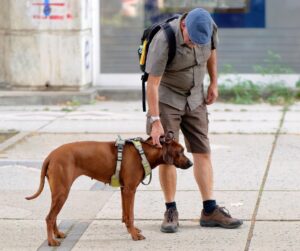
Puppies and adult dogs have different learning phases, which impact their response to positive reinforcement. Puppies are in a critical period for learning, where they quickly absorb new information. Positive reinforcement during this phase can lead to lasting behavioral patterns. Puppies are naturally curious and eager to explore, making them more receptive to training. This openness to new experiences makes them excellent candidates for positive reinforcement.
Adult dogs might not learn as rapidly as puppies, but they still respond well to positive reinforcement when done correctly. Adult dogs have established habits that can be harder to change, requiring more patience. However, their longer attention spans mean they can handle longer training sessions. Given consistent and positive experiences, even adult dogs can adapt and learn new behaviors. This shows the versatility of positive reinforcement across different life stages.
The effectiveness of positive reinforcement also depends on the type of reward used. Puppies may respond best to small treats, short play sessions, or enthusiastic verbal praise. Adult dogs might appreciate more substantial rewards like longer playtime, favorite toys, or extra affection. Understanding what motivates each dog is key to successful training. This tailored approach ensures that the reinforcement remains impactful and engaging.
Monitoring progress is crucial when comparing learning phases and responses to reinforcement. Keeping a training log can help identify what works best for each dog. Consistent training and regular adjustments based on the dog’s reactions lead to better outcomes. For both puppies and adult dogs, gradual increases in task difficulty can keep them challenged and motivated. This balanced approach helps in achieving desired behaviors more effectively.
Positive reinforcement focuses on rewarding desired behaviors to encourage their repetition. This training method is effective because it motivates dogs to learn and behave appropriately. The key is to provide a reward immediately after the desired behavior occurs. This close timing helps the dog associate the action with the reward. Waiting too long can confuse the dog about what they are being rewarded for.
Consistency is crucial in positive reinforcement. Dogs thrive on predictable patterns and clear communication. Consistently rewarding the same behavior helps dogs understand what is expected of them. It’s also important to use the same command words and signals during training. This uniformity reinforces the learning process, making it easier for the dog to grasp new concepts.
Variety in rewards can enhance the effectiveness of positive reinforcement. Different dogs respond to different rewards, so finding what motivates each dog is essential. Some dogs may prefer food treats, while others may respond better to toys or praise. Mixing up these rewards can keep training sessions exciting and engaging. This approach ensures that the dog remains interested and eager to learn.
Gradual difficulty increase is another key principle. Start with simple tasks and gradually increase the complexity as the dog becomes more comfortable. This step-by-step approach helps prevent the dog from feeling overwhelmed. It also builds a solid foundation of understanding and confidence. Over time, the dog will be able to perform more challenging tasks with ease.
Puppies benefit greatly from positive reinforcement, especially during their formative months. This method helps them learn basic commands and acceptable behavior quickly. The immediate rewards create a bond of trust and understanding with their trainers. Puppies are naturally curious, making them eager to engage in training sessions. This inquisitiveness accelerates their learning process.
However, there are challenges in training puppies with positive reinforcement. Their attention spans are shorter, and they can become easily distracted. It’s essential to keep training sessions brief and focused. Moreover, puppies may not immediately grasp the connection between their actions and the rewards. Consistency and patience are crucial to overcoming these challenges.
Socialization is another benefit that comes with using positive reinforcement for puppies. Early training helps puppies become well-adjusted adults. They learn how to interact with people and other animals positively. This early education reduces the likelihood of developing behavioral issues later on. Socialization also builds a puppy’s confidence.
One of the main challenges is managing a puppy’s energy levels. Puppies are often extremely energetic and need plenty of physical and mental stimulation. Balancing training with playtime and rest is essential. Overtraining can lead to burnout, while undertraining may result in missed learning opportunities. Striking the right balance ensures a happy, well-adjusted puppy.
The varied rewards used in positive reinforcement also make training more engaging for puppies. Offering a mix of treats, toys, and praise keeps them motivated. This variety caters to their short attention spans and changes their routine. Tailoring rewards to what each puppy finds most enticing maximizes the effectiveness of this training method. This personalized approach makes learning enjoyable for both the puppy and the trainer.
Positive reinforcement offers numerous benefits for adult dogs, including improved behavior and a stronger bond with their owners. Adult dogs can still learn new tricks and commands, which strengthens their mental agility. Training sessions provide much-needed mental stimulation, keeping them engaged and happy. Moreover, older dogs thrive on the attention and interaction that comes with training. This engagement helps reduce feelings of boredom and loneliness.
However, training adult dogs presents unique challenges. They often have established behaviors that can be difficult to change. Patience and consistency are key when trying to modify these habits. Unlike puppies, adult dogs may not be as easily motivated by basic treats. Discovering what specific rewards work best for each dog is essential for effective training.
One of the main benefits is the development of stronger communication between the dog and the owner. Positive reinforcement helps adult dogs understand what is expected of them more clearly. This mutual understanding often leads to fewer behavioral issues and a smoother household dynamic. It also builds trust, as the dog learns that good behavior results in positive outcomes. This trust is crucial for a healthy and happy relationship.
Despite some challenges, the adaptability of adult dogs can be surprising. With consistent training and the proper rewards, even long-standing habits can be redirected. For example, using a favored toy or extra affection can motivate an adult dog to follow commands. Regular training sessions help in gradually reshaping their behaviors in a positive direction. This shows that it’s never too late for a dog to learn new things.
The variety in training techniques can keep adult dogs engaged and responsive. Incorporating elements like agility exercises or scent games can make training more exciting. These activities cater to their physical and mental needs, providing a well-rounded training experience. Mixing different techniques also prevents the training from becoming monotonous. This holistic approach helps maintain their interest and enthusiasm in training.
Reward selection and training techniques vary greatly depending on the dog’s age. For puppies, small treats and enthusiastic verbal praise are highly effective. Young dogs are eager to learn and respond well to immediate rewards. Short, frequent training sessions work best, maintaining their interest and attention. Incorporating games into training can make learning fun for them.
Adult dogs, however, may require different strategies. They might respond better to toys or extended playtime as rewards. Clicker training is particularly useful for adult dogs, offering clear, consistent cues. Longer training sessions can help reinforce behavior more deeply in older dogs. Patience and persistence are key to success.
Each dog’s individual preferences also play a significant role in training effectiveness. For some dogs, affection and physical touch might be the best rewards. Others may prioritize food or toys. Observing what makes each dog excited and happy can guide the selection of rewards. Tailoring the approach ensures the training remains engaging and productive.
Combining various techniques can further enhance training outcomes. For example, using a mix of verbal praise and clicker training can address different learning styles. Rotating rewards keeps the dog motivated and interested. Ensuring that training sessions are varied yet consistent aids in reinforcing desired behaviors. This blend of methods caters to both puppies and adult dogs, maximizing the benefits of positive reinforcement.

Positive reinforcement is a popular method in dog training. It encourages desired behavior through rewards and has unique applications for puppies and adult dogs. Below are some common questions and answers about this effective training method.
For puppies, small, easily digestible treats are often very effective as rewards. Puppies have short attention spans, so immediate rewards help them make the connection between the behavior and the treat. Toys and playtime can also serve as excellent rewards, keeping the training exciting and enjoyable. Verbal praise and gentle petting are additional ways to positively reinforce good behavior in young dogs.
Puppies are naturally curious and playful, making these types of rewards particularly attractive to them. The key is to keep the rewards varied to maintain their interest. Switching between treats, toys, and praise will keep the puppy motivated and eager to learn. This variety ensures that the training remains a positive and engaging experience for the puppy.
Yes, adult dogs can be retrained using positive reinforcement techniques. While it might take more time and patience compared to training puppies, adult dogs are fully capable of learning new behaviors. Consistent and positive reinforcement helps to establish new habits and modify existing ones. Adult dogs often have longer attention spans, which can be an advantage during training sessions.
The key is to be patient and consistent, rewarding the dog immediately after the desired behavior. Adult dogs might respond better to more substantial rewards, such as their favorite toy or extra playtime. Over time, with regular practice, even deeply ingrained behaviors can be altered using positive reinforcement methods. It is never too late to start training an adult dog.
For puppies, shorter and more frequent training sessions are ideal. Puppies typically have shorter attention spans and can become easily distracted, so keeping sessions to about 5-10 minutes several times a day is effective. This allows them to learn without becoming overwhelmed. It’s important to end sessions on a positive note, giving them praise and rewards.
Adult dogs can handle longer training sessions, usually around 15-20 minutes. Their longer attention spans mean they can focus for extended periods, allowing for more in-depth training. However, it’s still vital to keep the sessions engaging and to reward them promptly to reinforce positive behaviors. Whether training puppies or adult dogs, consistency is key.
One common mistake is inconsistency in rewarding the dog. If the rewards are not given immediately after the desired behavior, the dog may not understand what they are being rewarded for. Timing is crucial in positive reinforcement. Another mistake is using rewards that are not appealing to the dog. It is important to find what motivates your dog the most.
Another issue is expecting too much too soon. Training takes time, and progress can be gradual. Patience and consistent practice are necessary for positive reinforcement to be effective. Also, avoid long training sessions that can lead to frustration for both the dog and the trainer. Keeping sessions short and positive ensures better results in the long run.
Signs that positive reinforcement is working include increased responsiveness and eagerness to participate in training sessions. The dog should begin to exhibit the desired behaviors more frequently, understanding the connection between their actions and the rewards they receive. Another sign is a stronger bond between the dog and the trainer, built on trust and positive interactions.
The dog should also appear happier and more enthusiastic about training. Reduced behavioral issues and greater overall obedience are additional indicators of successful training. Consistent and positive feedback will help you see these signs, affirming that the training method is effective. Tracking progress over time can provide clear evidence of improvement.
Positive reinforcement remains a powerful and humane method for training both puppies and adult dogs. By tailoring rewards and techniques to each age group, trainers can effectively teach desirable behaviors. This method builds trust, enhances communication, and strengthens the bond between the dog and the trainer.
Training consistency and patience are key, whether dealing with a curious puppy or a seasoned adult dog. Every dog is unique, and recognizing what motivates them ensures the success of positive reinforcement. Ultimately, the goal is a well-behaved, happy dog and a satisfied, confident owner.