
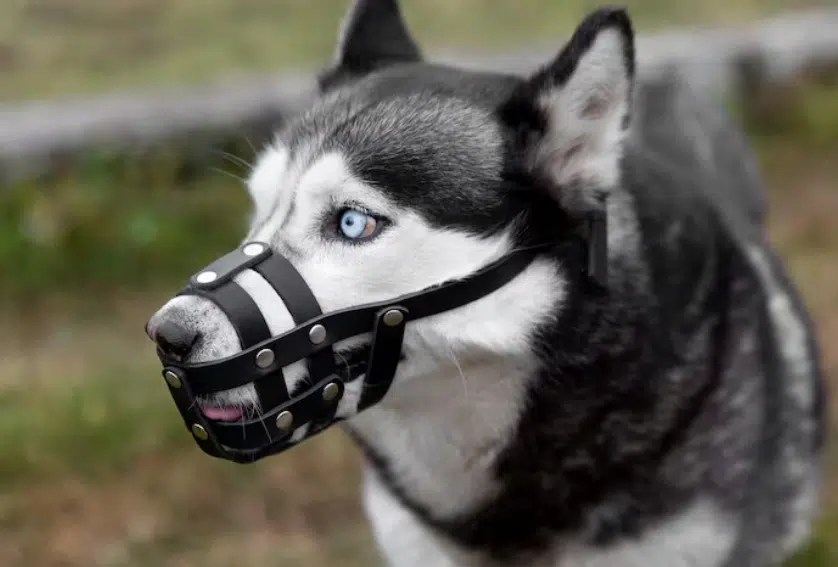
Muzzle training is a skill every dog owner should have in their toolkit. It helps manage behavior and keeps everyone safe in different situations. Woodbridge trusted dog trainers know that getting your dog comfortable with a muzzle takes time, patience, and the right approach. This post covers how to pick the right muzzle, introduce it properly, and use positive reinforcement to make the process smooth. With consistent training, your dog can learn to wear a muzzle without stress.
Muzzle training matters for all dog owners because it gives you a safe way to handle your dog’s behavior in tricky situations. Dogs can react unexpectedly when they feel scared, threatened, or in pain, and that can put them and others at risk. Introducing a muzzle early and getting your dog used to it slowly can prevent problems before they happen. Muzzles aren’t just for aggressive dogs either. They come in handy during vet visits, grooming appointments, or in busy public spaces. Good training helps your dog associate the muzzle with positive experiences, which reduces stress and anxiety. It’s a responsible move that protects your dog and the people around them.
Picking the right muzzle means thinking about fit, material, and what you need it for.
Keeping these factors in mind helps you find a muzzle that’s both safe and comfortable for your dog.
Start by building a positive connection between your dog and the muzzle through slow, gentle steps. Place the muzzle near your dog during fun activities like treat time or play, letting them sniff and check it out on their own terms. Once they seem relaxed around it, gently touch the muzzle to their nose and reward calm behavior. Gradually work up to holding it against their face for short moments, always giving treats for staying calm. Patience is everything here. When your dog links the muzzle to good things, they’ll accept it more willingly, setting you up for successful training.
Getting your dog comfortable wearing the muzzle works best with short, positive training sessions built into your daily routine. Consistency and patience make all the difference. Here’s a simple approach:
Following these steps helps your dog adjust to wearing a muzzle positively.
Positive reinforcement is the best way to train your dog to accept a muzzle. Start by introducing the muzzle gradually and letting your dog sniff it at their own pace. Give treats during this interaction to build a positive link. Once your dog seems comfortable, practice short sessions of actually wearing the muzzle, then gradually increase the time they keep it on. Reward your dog with treats and praise both during and after wearing it to strengthen good behavior. Stay consistent using rewards every time helps your dog feel happy and relaxed while wearing the muzzle. Over time, your dog may even look forward to putting it on.
Running into problems during muzzle training is normal. Here’s how to handle the most common ones:
Every dog is different, so adjust your approach based on what your dog needs.
Related Topics: