
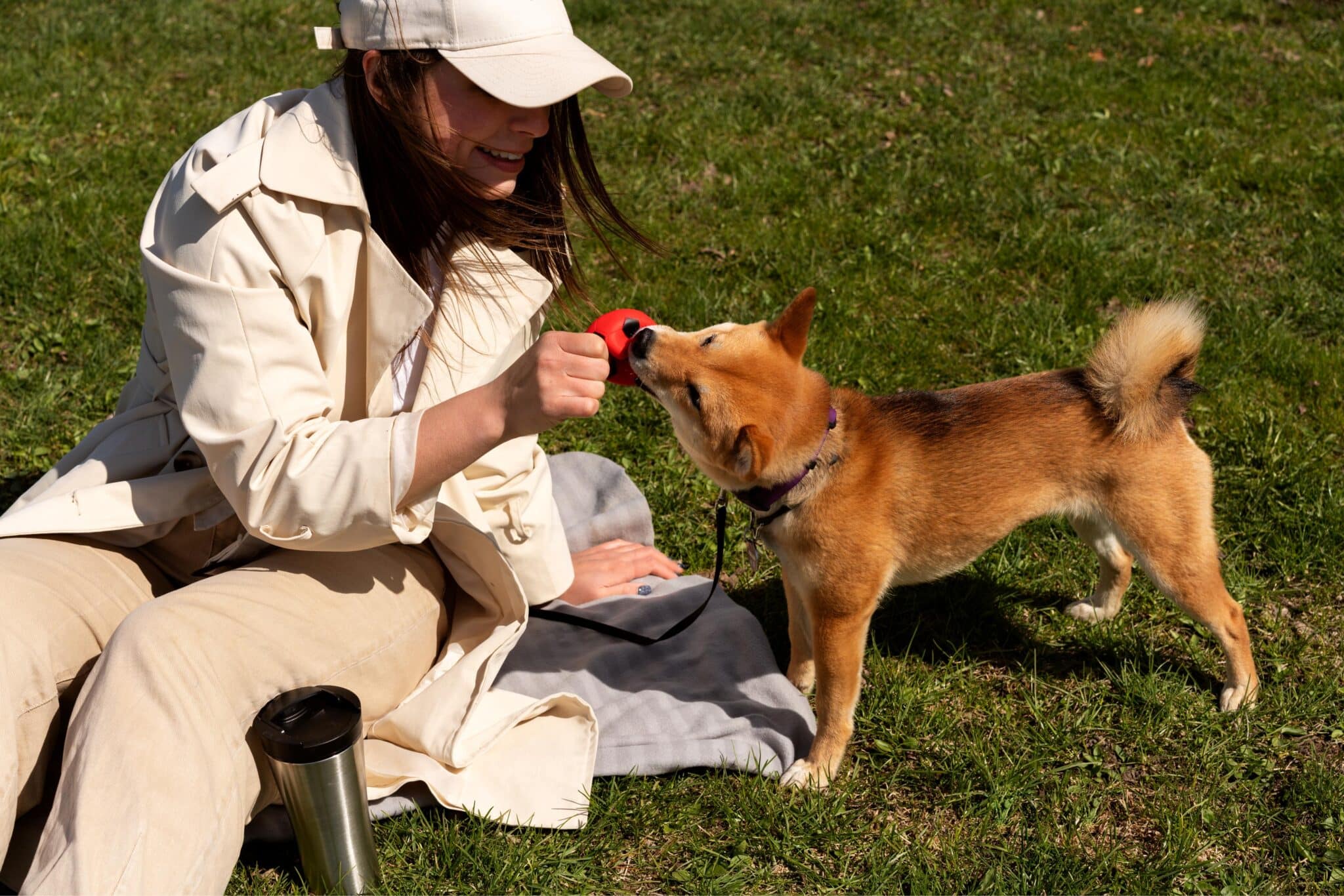
A puppy’s early experiences shape how they handle the world later, which is why calm introductions matter so much. A patient puppy trainer will focus on building confidence step by step instead of throwing the dog into loud, busy situations too soon. In Woodbridge, VA, controlled exposure helps puppies learn that new places, sounds, and people are part of normal life. Done well, it can make a real difference in how a dog responds as an adult.
Controlled exposure training means showing a puppy something new in a way they can handle without shutting down or getting overwhelmed. That might be a new surface, a stranger wearing a hat, traffic sounds, or another dog at a distance. The point is not to pile on as many experiences as possible. The point is to help the puppy feel steady enough to notice something new and recover calmly.
This matters because puppies build lasting associations quickly. A puppy that has calm, repeated introductions to common sights and sounds is less likely to grow into a fearful or reactive adult. A puppy that gets pushed too hard, too early, can start connecting new environments with stress. The difference often comes down to pace.
The earliest weeks of puppy development carry extra weight. Most trainers focus on the period from about 3 to 14 weeks because puppies are especially open to new experiences during that time. Positive exposure in that stage can have a lasting effect. It helps the puppy treat new things as normal rather than as threatening.
That said, missing part of that window does not mean the opportunity is gone. A 5-month-old puppy can still make good progress with the right plan. It may take more repetition and a little more patience, but the work still matters. Starting later is still much better than skipping the process altogether.
The best starting point is a place with low pressure and fewer moving parts. Quiet sidewalks, calm outdoor areas, parking lots with light activity, and peaceful indoor spaces are all useful early settings. These places give the puppy something new to notice without too much intensity at once. That balance is what makes the session productive.
As the puppy gets more comfortable, the difficulty can increase. Busier parks, shopping areas, sidewalks with more foot traffic, and places with more noise can come later. The dog should first show that they can stay calm in simpler settings before moving to the next level. A good progression builds confidence instead of testing it.
One of the biggest mistakes is taking a puppy into a crowded or chaotic setting too early. A busy dog park, festival, or loud store can be far too much for a young dog that has not yet learned how to settle in unfamiliar places. When that happens, the puppy does not become more social. They often become more cautious or more stressed.
Another mistake is missing the early signs of discomfort. A tucked tail, shaking, lip licking, yawning, flat ears, or trying to hide are all signs that the puppy is struggling. If those signs appear, the answer is not to push through. The better move is to create distance, lower the pressure, and let the puppy regain composure before trying again.
Start with one new thing at a time. That might mean a different walking surface, a new sound in the distance, or one unfamiliar person standing still nearby. Keep the session short and end before the puppy feels overloaded. Ten to fifteen minutes is often enough for young dogs, especially early on.
Reward calm curiosity. If the puppy notices something new, stays composed, and chooses to investigate without fear, mark that moment with food, praise, or play. Over time, the puppy starts learning that new things are not a problem to avoid. They become things to notice and move through.
As confidence grows, the challenges can be layered more carefully. One calm dog is very different from a crowd of dogs. One quiet street is very different from a busy shopping area. The puppy should earn the harder environment by handling the easier one well first. That is what keeps the process safe and useful.
Our puppy training covers the early basics, including crate training, potty training, socialization, and foundational commands. It is a simple starting point for new puppy owners who want guidance right away. For many families, it is a practical first step.
For in-person support, our Marker Mastery Program is an 8-week program that uses positive reinforcement with a clicker and leash, with no e-collar and no prong collar. It is designed for puppies and adult dogs who need stronger foundation work, more confidence, and better responses in new environments, delivered through private sessions with a certified trainer.
Regan B. has brought two puppies through our programs over a 10-year period and returned because of the personal approach our certified trainers use. That kind of repeated trust says a lot about how the work carries over once the puppy grows up.
Related Topics: