
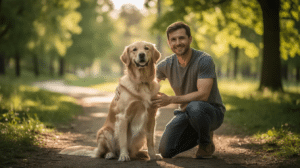
If your dog barks at every noise, pulls you down the sidewalk, or destroys shoes when left alone, you are not alone. Excessive barking, destructive chewing, jumping, and leash pulling are common concerns, but they do not mean your dog is “bad.” These behaviors may be influenced by previous learning, inconsistent expectations, insufficient enrichment, fear, anxiety, genetics, pain, or other medical concerns. This article explains why common behavior problems develop and how management, consistent training, appropriate enrichment, and professional support can help dogs build safer, calmer habits.
Common dog behavior problems such as barking, jumping, pulling, chewing, whining, and destructive behavior can develop for many reasons. Inconsistent expectations, boredom, insufficient enrichment, fear, anxiety, previous learning, genetics, and medical discomfort may all contribute. Understanding the cause helps owners choose the safest and most effective response.
Most dog owners deal with frustrating behavior at some point.
Barking, jumping, leash pulling, chewing, digging, whining, begging, separation-related distress, house soiling, and aggressive behavior are common concerns. Growling, snapping, guarding, stiff body language, or biting should always be taken seriously and addressed with appropriate safety management and professional guidance.
Many of these habits improve when owners understand the cause and respond with structure, consistency, and clear training.
Excessive barking may come from fear, boredom, anxiety, alerting, or frustration. The best approach is to identify the trigger, reduce access to repeated triggers when possible, teach a quiet cue, and reward calm behavior.
Jumping on people is often reinforced by attention, even when that attention is yelling or pushing the dog away. Teaching a default sit and rewarding four paws on the floor gives the dog a better greeting habit.
Leash pulling can develop because moving forward rewards the behavior, because the dog is excited or worried, or because loose-leash walking has not yet been taught around that level of distraction.
Destructive chewing and digging can come from boredom, anxiety, normal puppy development, insufficient enrichment, or lack of supervision. Provide safe chew items and appropriate outlets, and use gates, exercise pens, a dog-safe room, or a crate only when the dog has been introduced to it gradually and can rest comfortably inside. Keep forbidden items out of reach so the dog cannot continue practicing the unwanted behavior.
behaviors. When you cannot supervise, use crate training or gates to restrict access to items the dog might destroy. Make sure approved items are always available and that forbidden items are out of reach.

Whining may be caused by attention-seeking, excitement, frustration, fear, anxiety, or physical discomfort. If the whining starts suddenly, occurs frequently, or is accompanied by other changes, speak with your veterinarian. For attention-seeking whining, reward quiet behavior instead of responding while the dog is vocalizing. Whining caused by fear or anxiety requires identifying and addressing the underlying trigger rather than simply ignoring the dog.
Food begging is usually learned. If table scraps have worked before, the dog will keep trying. Keep mealtime rules consistent and use a place command, crate, or separate resting area during meals.
Separation anxiety goes beyond normal whining. Signs may include barking, destruction, pacing, drooling, house soiling, or escape attempts when the dog is left alone. Mild cases may improve with gradual departures and calm routines, while severe anxiety should involve professional or veterinary guidance.
House soiling may be caused by incomplete training, poor supervision, stress, or medical issues. If accidents happen suddenly or frequently, schedule a vet check before assuming it is only a training problem.
Aggression should always be taken seriously. Growling, snapping, guarding, stiff body language, or biting can signal fear, pain, stress, or conflict. Do not punish the growl. Use safety management and seek help from a qualified trainer, veterinarian, or veterinary behavior professional.
Sudden behavior changes can point to pain or health problems. If your dog suddenly becomes aggressive, destructive, anxious, or starts having accidents, rule out medical causes before focusing only on training.
When many dog owners say their dog is “stubborn” or “knows better,” what is usually happening is that the dog is confused.
Some unwanted behaviors continue because they have been accidentally rewarded or because the dog has not yet learned a more appropriate response. Others may be influenced by fear, frustration, anxiety, genetics, previous experiences, insufficient enrichment, or physical discomfort. Structure helps, but understanding the underlying cause is essential when choosing a safe and effective solution.
Dogs repeat what works. If jumping sometimes gets attention, the dog will keep jumping. If barking at the window eventually makes a stranger leave, the dog learns that barking succeeds. These are accidental rewards, and they are one reason unwanted behaviors continue. Canine behavior research confirms that behaviors are maintained by their functional reinforcers, meaning the dog is not being “bad” but is doing what has been rewarded.
A lack of predictable routines can make it harder for some dogs to understand what is expected during walks, greetings, meals, and other stimulating situations. However, behaviors such as pulling, whining, chewing, or aggression may also be influenced by fear, frustration, anxiety, pain, genetics, previous experiences, or learned rewards. Structure is most effective when it is combined with an accurate understanding of why the behavior is happening.
Clear and consistent expectations can make daily routines easier for a dog to understand and provide more opportunities to reward calm choices. However, structure alone is not a complete treatment for anxiety, aggression, or other complex behavior concerns. Persistent or severe problems should be assessed individually.
Impulse control is built through calm, structured practice. When a dog learns to wait at a door, hold a stay, or settle on a mat before getting what it wants, it is learning to pause and think instead of react. This is a core goal of behavior modification and one of the most valuable skills any dog can develop.
Predictable structure at home means the same rules from all family members, the same cues, and the same rewards. If one person allows the dog on the couch and another does not, the dog is stuck guessing. Consistency in commands and rules is crucial for dog training effectiveness. When everyone follows the same training plan, progress accelerates.
Yelling, intimidation, and aversive or poorly timed corrections can increase stress and may suppress warning signals such as growling without changing the underlying fear, pain, or discomfort. A safer approach focuses on preventing unsafe situations, teaching an appropriate alternative, and reinforcing successful choices. Aggression, intense fear, or anxiety should be addressed with guidance from a veterinarian and a qualified behavior professional who uses humane, evidence-based methods.
Punishment without correct timing or context can suppress warning signals like growling, which may lead to a dog that escalates to biting without warning. Rather than punishing undesirable behavior, behavior modification should focus on teaching alternative desired actions.
Basic obedience training cues are not tricks. They are practical tools that prevent and replace unwanted behavior, giving the dog a clear answer to the question, “What should I do right now?”
Rewarding desired behavior helps dogs understand which choices lead to positive outcomes. A qualified professional should explain the training plan and any equipment clearly, monitor the dog’s comfort and body language, and adjust the approach to the individual dog and behavior concern. Training should combine appropriate management, structured practice, and reinforcement of the behaviors the owner wants the dog to repeat.
Sit and Down
Sitting and down serve as default calm behaviors. When a dog knows to sit automatically at doors, before meals, and during greetings, jumping and pacing lose their purpose. Ask for a sit before putting the leash on, before setting the food bowl down, and before opening the front door. A dog that learns to offer a down in exciting moments has a built-in off switch. Use high-value treats in early training to build a strong association.
Place Command
The place command teaches a dog to go to a designated bed or mat and remain there until released. It can help manage greetings, mealtimes, and other busy household moments by giving the dog a clear alternative to jumping, begging, or following people around. Build duration and distractions gradually, reward calm behavior, and watch the dog’s body language. The goal is for the dog to remain on the designated area while also feeling comfortable and able to settle.
As the dog becomes comfortable with the exercise, gradually build duration and distractions while watching its body language. The goal is not only for the dog to remain on the designated area, but also to appear relaxed and able to settle comfortably.
which directly reduces chaos at the door, begging at the table, and pestering of family members. Consistent training of the place command helps a dog settle even during high-energy moments.
Stay
Stay prevents door dashing, crowding of guests, and pestering during meals. Start with short, successful stays of just a few seconds and gradually build duration. The goal is not to test the dog’s tolerance but to set it up for success. If the dog breaks the stay, shorten the time and reduce distractions. Reliable stays come from hundreds of successful repetitions, not a few long ones.

Heel
Heel is useful when passing distractions, crossing streets, navigating busy areas, or moving through doorways with control. Reward calm movement and attention, and practice first in easier environments before adding stronger distractions. During suitable portions of the walk, controlled sniffing and exploration can also provide valuable enrichment as long as the dog remains responsive and the area is safe.
Recall
Recall teaches a dog to return promptly when called and is an important safety skill. Build it gradually with rewards the dog values and use a leash or long line before practicing around stronger distractions. Avoid using recall only to end play or begin something the dog dislikes. Even a strong recall does not remove every off-leash risk, so keep your dog leashed wherever required or whenever traffic, wildlife, unfamiliar animals, people, or other hazards cannot be managed safely.
How These Skills Work Together
These cues combine naturally in real life. When the doorbell rings, you call the dog (recall), ask for a sit, then send it to its place. When you are on a walk, and another dog approaches, you ask for heel and guide your dog past calmly. Each skill supports the others. A professional trainer builds these layers gradually, ensuring the dog can perform them in progressively more challenging situations. Professional dog training can help proof these behaviors around distractions and environments, so they hold up when it matters most.
Habits form around daily patterns. Small, consistent changes in routine can dramatically reduce common dog behavior problems without complicated equipment or advanced techniques. The goal is to give your dog a predictable day where energy is spent productively, expectations are clear, and calm behavior is rewarded.
Morning Structure
Start the day with a potty break, a walk, or an active play session, and then a short training session of 5 to 10 minutes. Practice sit, down, place, and heel before offering free time. This pattern teaches the dog that the day begins with focus and activity, not with frantic energy at the door.
Scheduled Exercise and Enrichment
Appropriate physical activity and mental enrichment can help many dogs settle more successfully. Sniff walks, food puzzles, safe chew items, play, and short training sessions can provide useful outlets for physical and mental energy. However, exercise alone will not resolve every behavior problem. Persistent chewing, digging, pacing, barking, or destruction may also involve anxiety, frustration, pain, or another underlying concern that requires further assessment.
Using Place During High-Energy Times
When meals are being prepared, kids are playing, or guests are arriving, send the dog to its place. This prevents the dog from practicing bad habits like counter surfing, jumping on visitors, or begging. Supervise the dog on place and reward calm behavior. Over time, the dog will begin to choose the mat on its own during busy moments.
Calm Departures and Arrivals
Calm, predictable departures and arrivals can reduce unnecessary excitement, but they do not treat separation anxiety by themselves. Dogs with separation-related distress need a plan that addresses how they feel while alone.
Begin with very short absences that end before the dog shows signs of anxiety, then increase the duration gradually according to the dog’s response. Video monitoring can help identify when distress begins. Dogs that panic, attempt to escape, injure themselves, or cannot remain alone should be evaluated by a veterinarian or qualified behavior professional.
Active Supervision
Young dogs, untrained adult dogs, and dogs with a history of destructive behavior often need active supervision and careful management. When you cannot supervise, use baby gates, exercise pens, a dog-safe room, or a crate only if the dog has been introduced to it gradually and can rest comfortably inside. Do not crate a dog that panics, attempts to escape, or shows signs of confinement distress.
Preventing access to furniture, food, trash, and other tempting items reduces opportunities for the dog to rehearse unwanted behavior. Management should be combined with training, appropriate chew items, enrichment, and reinforcement of acceptable alternatives.
Supervision is not forever. It is a bridge until proper training and structure are solid.
Nighttime Routine
A short evening walk, a brief training session, and then a calm wind-down period help many dogs settle for the night. Avoid high-energy play right before bed. Give the dog a final potty break and then allow it to rest in its designated sleeping area. Dogs that whine at night often benefit from this predictable routine.
Consistency Is Everything
Consistency is one of the most important parts of building calmer routines. Family members should use the same cues, follow the same management plan, and reinforce the same desired behaviors. Consistency works best when the plan also addresses the reason behind the behavior and is adjusted to the individual dog.

Many common behavior problems improve when owners combine consistent expectations, appropriate exercise and enrichment, active management, and reinforcement of desired behavior. Progress also depends on identifying why the behavior is happening. Fear, anxiety, pain, genetics, and previous learning may require a more individualized plan than routine obedience practice alone.
Progress takes repetition and patience. Small, consistent changes practiced every day are more effective than occasional marathon sessions. Celebrate the small victories: a shorter barking episode, a calmer greeting, or a better walk as signs that structure is working.
Some issues require professional help. Fear-based or severe aggression, intense or chronic anxiety, and sudden behavioral changes should be evaluated by a veterinarian and a qualified trainer. Consulting a veterinary behaviorist or board-certified specialist can provide a tailored treatment plan for complex cases.
If managing your dog’s behavior feels overwhelming, professional dog training support can provide the tools, structure, and confidence needed to build a calmer, more connected relationship. Whether you need assistance with obedience, behavior modification, or establishing calmer daily routines, structured training can make a meaningful difference.
These frequently asked questions address common follow-up concerns that many dog owners have after learning about structure-based solutions. Each answer focuses on practical guidance and realistic expectations.
Some owners notice early improvement within days or weeks, but reliable behavior usually requires continued practice across different environments and distractions. The timeline depends on the behavior’s severity, how long it has been practiced, the dog’s emotional state, the training plan, and the household’s consistency.
Older dogs can absolutely learn new habits. The idea that you cannot teach an older dog is a myth. However, older dogs may have spent years rehearsing bad habits, so they often need more repetition and patience. Senior dogs might also have medical issues affecting their behavior, so a veterinary check is wise before starting a new training plan. Use shorter sessions, softer treats, and low-impact exercises. Focus on calm routines, clear structure, and gentle consistency. Many dogs thrive with this approach regardless of age.
A crate can be a helpful management tool when it is introduced gradually and the dog is comfortable resting inside. It may reduce access to household items and help with housetraining during appropriate periods. However, dogs that panic, drool excessively, damage the crate, or attempt to escape should not be forced to remain confined without professional guidance, because crating can worsen separation or confinement distress.
Start by working with each dog individually to teach basic obedience skills like sit, down, place, and recall. This helps each dog learn without the distraction or influence of the other. Dogs can copy both good and bad habits, so controlling the dog’s environment and supervising interactions is especially important in multi-dog homes. When one dog has strong obedience and the other does not, the trained dog can sometimes model calm behavior. Complex situations like inter-dog tension, resource guarding between dogs, or one dog redirecting aggression toward other dogs often benefit from professional guidance to keep everyone safe.
Repeated biting, escalating aggression, severe separation anxiety, sudden behavior changes, or destructive behavior that creates an injury risk should involve a veterinarian. Depending on the case, the treatment team may also include a qualified trainer or board-certified veterinary behaviorist who can develop a structured management and behavior-modification plan.