
Dog digging is one of the most frequent behavior complaints from owners with backyard access. Whether your dog is tearing up flower beds, tunneling along the fence, or leaving holes across the lawn, the frustration is real. This page will walk you through why dogs dig, how to identify the cause, and practical ways to redirect digging behavior so you can save your yard and keep your dog happy.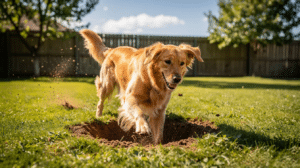
Understanding why dogs dig makes it easier to create a realistic plan to prevent digging and redirect the behavior. Digging is a normal canine behavior linked to ancestry and breed traits. Dogs descended from canids that dug for shelter, food caching, and denning.
Certain breeds are especially prone. Terriers dig to flush out prey or rodents. Dachshunds were bred to follow quarry underground. Northern breeds like Siberian Huskies may dig shallow pits to cool down or den for comfort. Pregnant dogs dig as part of their nesting instinct, preparing a safe spot before birth.
Some dogs also dig indoors on carpets or dog beds when nesting or trying to create a more comfortable resting spot. If she’s scratching at her bed before lying down, that is the same denning instinct displayed in a domestic setting.
Multiple causes can overlap, so you may see more than one reason behind your dog’s digging. Here are the common reasons:
External triggers often explain why digging patterns change from week to week.
Hot, humid days push many dogs to dig cool spots under shrubs, decks, or along foundations. Heavy rain or recent yard work can expose new scents or burrows in the ground that make a dog dig more than usual. Wildlife activity leaves scent trails in the garden and along the fence that trigger strong prey-driven digging. Even poop from other animals can draw a dog’s nose to a specific area.
Changes in routine, such as a new work schedule, visitors, a new baby, or moving house, may increase anxiety and lead to more digging. Keeping a simple log of when and where your dog digs can help you spot patterns linked to weather, time of day, or yard activity.
Many owners try scolding or corrections when they find holes in the yard. The truth is, punishment after the fact does not make sense to the dog and mainly creates confusion or fear.
Punishment after digging can increase a dog’s fear and anxiety. Even real-time corrections may stop digging in that moment but do not solve underlying causes like boredom, prey drive, or heat. Harsh or unpredictable punishment can damage trust and, of course, may make digging or other destructive behavior worse. Focus on supervision, prevention, and redirection instead.
The goal is not to remove all digging but to redirect it into constructive, acceptable outlets and reduce damage.
Set up a designated digging area. Provide a designated digging area to redirect your dog’s behavior. A sandbox or a section of yard with soft, loose dirt works well. Use soft, loose dirt in the designated digging area. A designated digging area can be as simple as a child-size sandbox, a small dirt box, or a clearly marked section of the yard with soft, loose soil or play sand. For larger yards, choose a practical area that is easy to supervise and maintain. The digging area should be deep enough for satisfying digging, and for many medium-sized dogs, a depth of about 12 inches works well.
Make it rewarding. Bury toys in the digging area to encourage use. Hide treats, chews, or kibble so the dog discovers fun treasures every time. Rotate buried items every few days to keep the spot interesting.
Interrupt and redirect. When your dog starts to dig in unwanted areas, calmly interrupt and guide it to the approved zone. Redirect digging by rewarding alternative behaviors immediately. Praise and play when the dog digs in the right spot.
Use chew toys, food puzzles, and scent games in the yard so your dog has more productive ways to burn mental stimulation. When you cannot supervise, bring dogs indoors, use leashes, or provide crate time to prevent repeat escape attempts.
Good supervision and smart yard setup are often the fastest ways to prevent digging from becoming a habit. Supervision is essential to prevent inappropriate digging.
An example day: morning walk with structured heel time and sniffing breaks, a brief training session, then an enrichment toy before supervised backyard time. This approach helps protect your yard and keeps your dog waiting for the next activity rather than inventing one.
Clear obedience skills give owners more control and help redirect dogs before problem behaviors like digging start.
Keep training sessions short, frequent, and fun. Mix obedience, play, tricks, and rewards so your dog sees listening as engaging. If you feel stuck, professional dog training can help you build these skills faster with a structured plan, owner coaching, and guidance tailored to your dog’s behavior.
Physical exercise and mental enrichment directly reduce boredom-driven digging. Daily exercise reduces the likelihood of digging behavior, and mental enrichment can help reduce boredom-related digging.
Try hiding a few treats in the grass for your dog to sniff out before regular play. This simple enrichment game keeps pets engaged and turns the yard into a fun, constructive environment.
While many dogs respond well to simple changes, some cases benefit from professional help. Signs that may justify expert support include:
Dogs with high prey drive or deep-rooted anxiety often need a customized training plan. Consult both a veterinarian and a qualified trainer if medical issues or age-related changes might be involved. If you feel stuck, reaching out for guidance on obedience, enrichment, and behavior modification can solve problems that home strategies alone cannot.
Dog digging is a normal behavior that can be shaped and redirected rather than viewed as defiance. Understanding the many reasons behind it, improving supervision, and teaching key obedience skills usually reduce destructive behavior significantly. Be patient, consistent, and realistic, especially with breeds and individuals that are naturally driven to dig. If you want more structure, accountability, or advanced guidance, professional dog training can help you and your dog build a better routine together.
Here are answers to additional practical questions about digging that were not fully covered above.
Many dogs scratch or dig soft surfaces as part of nesting behavior before resting, and mild versions are normal. Provide sturdy dog beds or blankets in preferred spots and calmly redirect onto those surfaces when digging starts on furniture. Trim nails regularly to reduce damage, and use covers or throws on couches to protect them. If indoor digging is intense or obsessive, consult a trainer or veterinarian.
Allowing controlled digging in a specific, approved area is often healthier and more realistic than trying to eliminate all digging. Create a clear rule: digging is allowed in the designated zone (a sandbox or box with sand and loose soil) but not in flower beds, the garden, or near fences. This approach satisfies natural instincts while protecting your landscaping.
Pain, discomfort, or some neurological and hormonal conditions can change a dog’s restlessness or anxiety, which may show up as more digging. Schedule a veterinary exam if your dog suddenly starts digging much more than usual, especially alongside changes in appetite, sleep, or energy. Bring a simple behavior log noting when, where, and how intensely the dog digs.
Dogs who dig only when alone may be bored, anxious, or practicing escape behavior without supervision. Bring the dog indoors when unsupervised, use crates or safe rooms if appropriate, and focus on exercise and enrichment before you leave. Consider using a pet camera to observe what your dog does when alone. Consider using a pet camera to observe what your dog does when alone. Look for signs such as pacing, barking, whining, scratching at doors, or digging near exits. Share those observations with a trainer or veterinarian so they can help determine whether the behavior is caused by boredom, escape attempts, or separation-related anxiety.
There is no fixed timeline. Results depend on the dog’s age, history, breed tendencies, and how consistently the owner manages and trains. Track progress weekly rather than daily, looking for fewer or smaller holes, less time spent digging, and better response to redirection. If you have been consistent and still feel stuck, professional support can help you build a tailored behavior plan.