
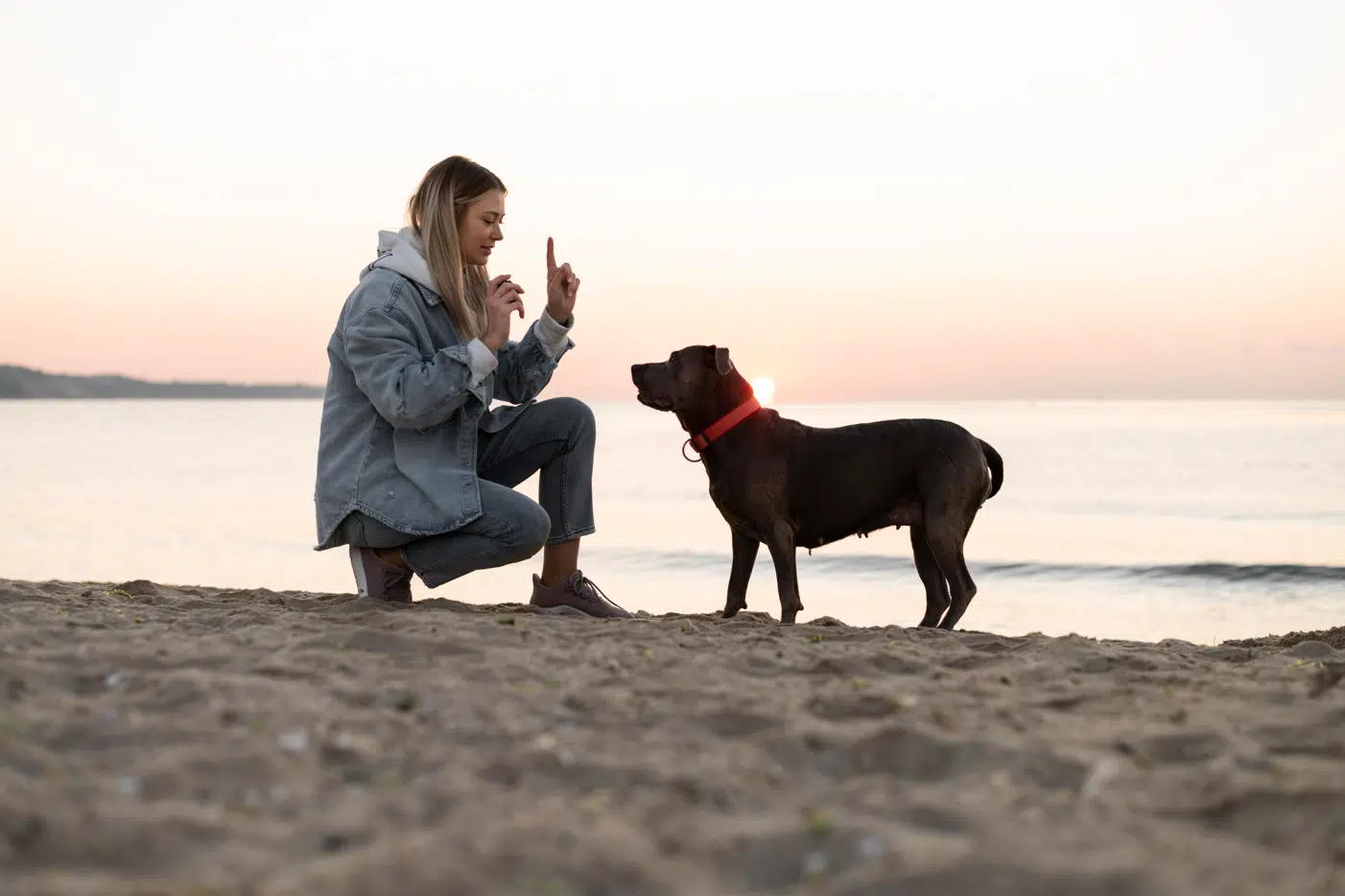
Training a therapy dog well is not just about teaching tricks. It’s about helping a dog stay calm and friendly, even when there’s a lot going on around them. You want them to be steady, reliable, and comfortable with people they might never have met before.
Start with a breed that tends to be chill, such as Labradors, Golden Retrievers, or Poodles; they’re good at this. But a lot depends on the individual dog. Making sure they’re healthy, have some basic obedience down, and get practice in different settings really sets them up for success. Little daily sessions help, and working with a professional dog trainer can save a lot of guesswork. Some days feel slow, but those tiny wins really add up over time.
When you pick a breed, think less about looks and more about personality. You need a dog that’s naturally calm, friendly, and okay with strangers. Some dogs have that “easy-going” vibe; others might take more patience. Size matters, too, if you’re going to visit nursing homes.
Smaller dogs might be easier to manage, but bigger dogs can be comforting in other situations. Don’t overthink it. Matching your dog’s temperament to the therapy environment is what counts. And remember, even within a breed, each dog is different. Some Labradors are chill, some are a little bouncy. Pay attention to the individual.
Therapy dogs have to be trustworthy around people and other animals. Aggression or fear isn’t allowed, obviously, but they also need to stay calm even in stressful or noisy situations. Regular vet checkups and vaccinations are a must.
Obedience basics like sit, stay, come, and heel aren’t optional; they’re the foundation. Socialization is huge, too. Your dog should actually enjoy being around people and respond to commands, even if the environment is unpredictable. It takes time, and honestly, some dogs take longer to feel comfortable. That’s okay. The goal is a dog that’s confident enough to provide comfort without causing any worry.
Sit, stay, come, heel. These commands are not just for show. They make the difference between a therapy dog that’s ready and one that isn’t. Short, frequent training sessions work best. A few minutes a day beats one long, exhausting hour. Treats or praise help, but timing is everything.
Practice in different locations, even noisy ones, so your dog learns to listen no matter what’s happening. Expect mistakes, and don’t sweat it. Consistency pays off, and your dog will start to understand the expectations over time.
Socialization is where a lot of dogs either shine or struggle. Expose them to different places, parks, streets, and cafes so they’re not startled by new things. Let them meet a mix of people: toddlers, older adults, loud folks, and quiet folks; it all helps. Pair new experiences with treats or praise so your dog makes positive connections.
Slowly expose them to things that might scare them, like loud noises and busy rooms, without overwhelming them. You’ll see over time that they start reacting less and staying calm. Patience is key here. Some days feel like nothing’s sticking, but even small progress counts.
Once the basics are solid, it’s time for the next layer. Commands like “stay”, “leave it”, and “heel” become more critical in real-life therapy settings. You might also teach skills like deep pressure therapy or helping someone with mobility tasks.
Practice in real-life scenarios so your dog learns to stay focused despite distractions. Short, positive sessions work best. Some days your dog will nail it; other days, they’ll get distracted and test your patience. That’s normal. Keep sessions upbeat, and over time, your dog becomes reliable in situations where people really need them.
Certification isn’t just about impressing people; it’s about proving your dog can stay calm, confident, and obedient in any setting. Your dog should react positively to strangers, other dogs, and new environments.
Commands should be rock solid, and they should be comfortable with human touch and attention. Practice regularly, and include different settings so nothing feels new on test day. Passing is rewarding, but the real achievement is a dog that can bring comfort safely and reliably to others.
Related Topics: