
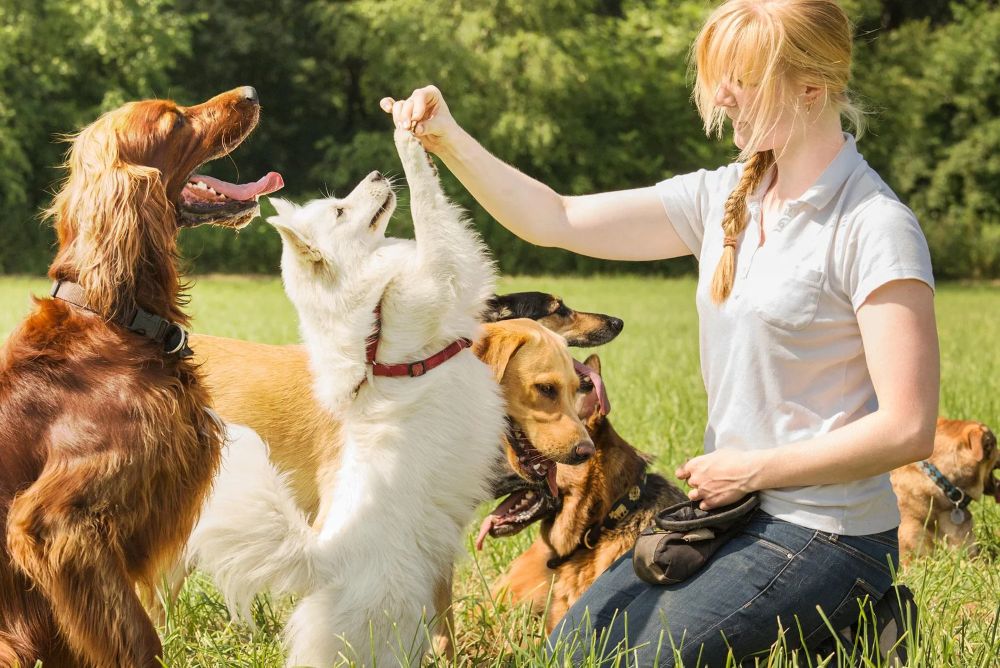
Dog training timelines vary based on several factors that affect how quickly your pup picks things up. Breed, age, consistency, behavior complexity, and trainer experience all play a part in how long the process takes. Woodbridge’s best dog trainers know that every dog learns differently, and what works for one might not work for another. Motivation and the right rewards also shape how fast your dog responds to training. This post covers the main factors that influence training duration, so you know what to expect.
The breed and age of your dog matter a lot when it comes to training. Different breeds have their own traits and tendencies that affect how they respond to commands. Herding breeds, for example, often do well with tasks that involve following instructions, while hounds tend to be more independent and driven by scent. Age plays a big role, too; younger dogs usually have more energy and need shorter, more frequent training sessions. Older dogs might already have habits that need to be changed or adjusted. Knowing your dog’s breed tendencies and adapting your methods based on their age helps set you up for better results.
Staying consistent is one of the most effective ways to shape your dog’s behavior and get results that stick. Set clear expectations and keep a regular training routine. Dogs do best with structure and predictability, so a steady schedule helps them understand what you want from them. Using the same commands, rewards, and corrections reinforces good behaviors and discourages bad ones. Dogs learn through repetition, so the more consistent you are, the faster they’ll catch on. Stay patient and stick with it. Consistency is what makes training actually work.
Understanding how complex your dog’s behavior is makes training and communication easier. Dogs show all kinds of behaviors shaped by breed, age, past experiences, and personality. Some things, like teaching a dog to sit, are pretty straightforward. Others, like dealing with fear or aggression, take more time and patience. Figuring out the root cause of a behavior problem is key to fixing it. A dog might chew up furniture because they’re bored, anxious, or not getting enough exercise. When you understand why your dog acts a certain way, you can adjust your training approach to fit their specific needs and get better results.
The trainer’s experience level makes a real difference in how well the training goes. Experienced trainers have built their skills by handling all kinds of dogs, understanding different behaviors, and mastering various techniques. They can read a dog’s body language, adjust their methods on the fly, and anticipate problems before they get worse. Seasoned trainers usually have a deeper grasp of how dogs think, which helps them create training programs that actually work. They pick up on subtle cues, adapt their approach, and solve issues quickly. New trainers can definitely improve over time, but experience speeds up the learning process and makes training smoother for both the dog and the person doing the training.
Motivation and rewards play a big part in training a dog the right way. Understanding what gets your dog excited is half the battle. Dogs respond well to positive reinforcement, just like people do. Treats, toys, or verbal praise can be powerful tools for shaping behavior. Using rewards consistently helps encourage good actions and cut down on bad ones. Figure out what really motivates your individual dog, whether that’s food, playtime, or affection. Matching rewards to what your dog actually likes makes training more enjoyable and effective. Patience and consistency are everything when using motivation and rewards in your training routine.
Recognizing what makes your dog unique is the first step toward a training approach that actually works. Dogs have their own personalities, temperaments, and learning styles, just like people do. Some are highly food-motivated, while others respond better to praise or play. Understanding your dog’s preferences and behaviors can seriously impact how training goes. A more independent dog might need a different approach than a super social one. Breed tendencies, age, and past experiences all factor into your strategy, too. Taking the time to observe and adjust to your dog’s specific needs lets you build a training plan that gets results and strengthens your bond with your pup.
Related Topics: