
Every year, around 10 million dogs in the U.S. suffer from illnesses that could be prevented with better nutrition. Isn’t it fascinating how certain fruits and vegetables can significantly boost our furry friends’ immunity? Seasonal produce, fresh and rich in essential nutrients, holds the key to a healthier, more resilient canine companion.
Incorporating seasonal produce into your dog’s diet isn’t just a modern trend; it has roots in ancient practices of using natural foods for health. For instance, beta-carotene-rich pumpkins, available in the fall, are known to strengthen dogs’ immune systems. Studies highlight that dogs consuming a diet high in fresh produce are up to 40% less likely to face health issues related to their immune systems.
Seasonal produce can boost your dog’s immunity by providing essential vitamins and antioxidants. Fresh vegetables like spinach and carrots, and fruits such as blueberries and pumpkins, are rich in nutrients that support the immune system. Incorporating these into their diet ensures they receive optimal health benefits year-round.
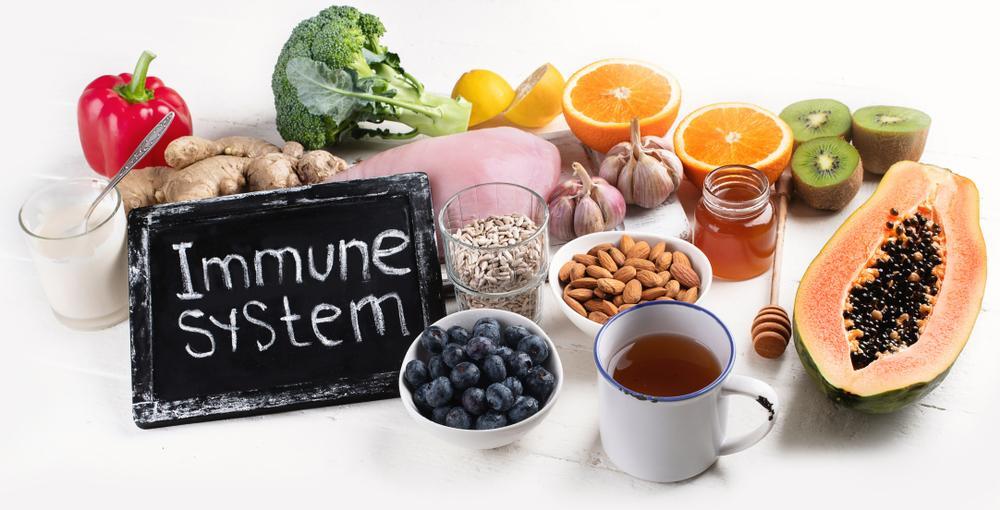
Seasonal produce is packed with vital nutrients that can help strengthen your dog’s immune system. Fresh fruits and vegetables are at their peak nutritional value when in season. This means that feeding your dog seasonal produce offers maximum health benefits. For example, autumn pumpkins are rich in beta-carotene, which supports overall immune health. Seasonal eating is a great way to diversify your dog’s diet.
Dogs, like humans, need a variety of vitamins and minerals to stay healthy. Seasonal produce often contains higher levels of these nutrients compared to out-of-season options. Leafy greens like spinach, available in spring, are full of vitamins A and C, which are powerful antioxidants. Antioxidants help protect cells from damage and support immune function. Including a range of seasonal veggies can cover all the nutritional bases.
Many fruits that are in season can also serve as tasty treats while boosting immunity. Berries, such as blueberries and strawberries, are packed with vitamins and antioxidants. These fruits are often in abundance during summer and can be easy to add to meals. Serving them fresh ensures your dog gets the highest nutrient content. Always wash fruits thoroughly to remove any pesticides or chemicals.
Incorporating seasonal produce into your dog’s diet can be simple and effective. You can start by mixing small amounts of fresh fruits and vegetables into their regular meals. Gradually increasing the portion size can help your dog adjust to the new flavors and textures. Watch for any signs of allergies or digestive upset when introducing new foods. Consistent inclusion of seasonal produce can lead to a robust immune system and overall better health for your dog.
Vitamins and minerals play a critical role in maintaining your dog’s immune system. For instance, Vitamin C is a powerful antioxidant that helps combat free radicals in the body. Though dogs can produce Vitamin C naturally, supplementing it through their diet boosts their immune defense. Vitamin E also serves as an antioxidant, protecting cells from damage. It can be found in leafy greens and sunflower seeds.
Zinc is another essential mineral for canine immunity. It supports the development and function of immune cells. A deficiency in zinc can lead to a weakened immune system, making dogs more susceptible to infections. Foods rich in zinc include meats, eggs, and some whole grains. Including a balanced amount of these items in your dog’s diet is beneficial.
Selenium is a trace mineral that also has significant immune-boosting properties. It works by enhancing the body’s ability to combat infections and viruses. Selenium can be found in foods like fish, chicken, and pasta. Ensuring your dog gets enough selenium can lead to a more resilient immune system. Balanced nutrition is key to maintaining overall health.
Iron is crucial for the production of red blood cells, which are vital for transporting oxygen throughout the body. A lack of iron can result in anemia and a compromised immune system. Meats, liver, and certain leafy greens are excellent sources of iron. Providing a diet that includes these iron-rich foods can help keep your dog healthy and energetic.
Seasonal vegetables are a treasure trove of antioxidants that can work wonders for your dog’s immunity. Sweet potatoes, available in the fall, are an excellent example. High in beta-carotene, they help boost the immune system and improve eye health. Plus, sweet potatoes are delicious and easy to incorporate into your dog’s diet. Their natural sweetness makes them a hit with most dogs.
Carrots, often harvested in the spring and fall, are another antioxidant-rich option. They are packed with beta-carotene, which is converted into Vitamin A in the body. This vitamin enhances immune function and supports healthy skin and coat. Carrots can be served raw or cooked, making them a versatile addition to meals. They also help keep your dog’s teeth clean.
Spinach is a leafy green abundant in spring and early summer. It’s rich in vitamins A, C, and E, all of which are powerful antioxidants. These vitamins help to fight off free radicals, reducing oxidative stress and boosting the immune system. You can add spinach to your dog’s food either fresh or cooked. Always ensure it is well-washed to remove any pesticides.
Kale, another leafy green, is available in cooler seasons like fall and winter. It is loaded with antioxidants such as quercetin and kaempferol. These antioxidants provide anti-inflammatory benefits and strengthen the immune system. Kale can be chopped and mixed into your dog’s regular meals. Its crunchy texture is often enjoyed by dogs and adds variety to their diet.
Certain fruits are known for their immune-boosting properties and can greatly benefit your dog. Blueberries, for example, are packed with antioxidants and vitamins. These tiny fruits help reduce inflammation and improve immune function. Available during the summer, they are easy to add to your dog’s diet. Simply sprinkle a few over their regular food.
Apples are another excellent immune-boosting fruit. They contain Vitamin C and dietary fiber, both of which are essential for maintaining a healthy immune system. Make sure to remove the seeds and core, as they can be harmful to dogs. Apples can be given as a crunchy snack or mixed into meals. They are most abundant in the fall, making them a seasonal treat.
Strawberries are rich in Vitamin C and other antioxidants. These red berries can help boost your dog’s immunity and also provide anti-inflammatory benefits. They are best enjoyed fresh, typically available in late spring and early summer. Strawberries can be chopped up and fed as a tasty treat. Always rinse them thoroughly to remove any pesticides.
Watermelon, a favorite summer fruit, is both hydrating and nutritious. It contains Vitamins A, B6, and C, which all contribute to a strong immune system. Make sure to remove the seeds and rind before offering it to your dog. Watermelon is a refreshing and delicious way to keep your dog hydrated and healthy. It’s a perfect treat for hot summer days.
Pumpkins, available in fall, are not just great for immunity but also for digestion. Rich in beta-carotene, they convert to Vitamin A in the body, boosting immune health. Pumpkins also have a high fiber content, aiding in digestive health. You can cook and mash pumpkin to mix into your dog’s food. Always ensure it is plain with no added sugars or spices.
Seasonal produce is abundant in essential nutrients that can greatly benefit your dog’s health. One key nutrient is Vitamin A, found in vegetables like sweet potatoes and carrots. This vitamin supports immune function, vision, and skin health. Leafy greens like spinach and kale are also rich in Vitamin A. Including these veggies ensures your dog gets this vital nutrient.
Vitamin C, another crucial nutrient, acts as an antioxidant and helps combat infections. Fruits like strawberries and blueberries are excellent sources of this vitamin. While dogs can produce Vitamin C naturally, adding more through their diet offers additional benefits. It strengthens their immune system and promotes healthy skin and joints. Fresh, seasonal fruits are the best way to provide this nutrient.
Iron is an important mineral necessary for the production of red blood cells. Foods like liver, meats, and leafy greens provide this essential nutrient. Iron deficiency can lead to anemia and weakened immunity. Incorporating iron-rich foods into your dog’s diet helps maintain their energy levels. This mineral is vital for overall well-being.
Fiber is another key nutrient found in seasonal produce. It aids in digestion and keeps the gastrointestinal tract healthy. Vegetables like pumpkins and apples are high in fiber, promoting better bowel movements. Fiber also helps control weight by making dogs feel full longer. Seasonal produce ensures they get enough fiber easily.
Omega-3 fatty acids, found in certain vegetables like Brussels sprouts, have anti-inflammatory properties. These fatty acids support heart health and reduce inflammation in the body. Including Omega-3 rich vegetables can improve your dog’s coat and skin. Seasonal produce offers a natural source of these beneficial fatty acids. It’s an easy way to keep your dog healthy and happy.
Introducing seasonal produce into your dog’s diet can be a rewarding experience. Start by choosing fresh, ripe vegetables and fruits. Wash them thoroughly to remove any pesticides or chemicals. Begin with small portions to see how your dog reacts. Gradually increase the amount as your dog gets accustomed to the new foods.
Mix the seasonal produce with your dog’s regular food to make the transition smoother. This method helps them get used to different tastes and textures. For example, you can mash some pumpkin or grate carrots into their meals. Another idea is to blend fruits like apples into a puree that can be mixed in. Experiment with different combinations to see what your dog likes best.
Always ensure that the produce is safe for your dog to eat. Avoid fruits and vegetables that are toxic to dogs, such as grapes, onions, and garlic. It’s best to do a quick check or consult your vet if you’re unsure. Knowing what’s safe can prevent potential health issues. Keeping a list of dog-safe produce can be handy.
Introducing raw produce can also be beneficial for your dog. Raw fruits and vegetables often retain more nutrients than cooked ones. However, some dogs may have trouble digesting raw food. If this is the case, steaming or boiling the produce can make it easier to digest. Always serve in bite-sized pieces to avoid choking hazards.
Offer seasonal produce as treats or rewards during training sessions. This not only adds variety to their diet but also makes training more fun. Chop fruits like strawberries or blueberries into small pieces for easy rewards. Using healthy produce as treats ensures that your dog gets the benefits without added sugars or preservatives. It’s a natural way to enhance their diet and keep them motivated.

Seasonal produce can be a fantastic addition to your dog’s diet. Here are some common questions and detailed answers about the benefits and tips for integrating seasonal fruits and vegetables into your dog’s meals.
Leafy greens like spinach and kale are excellent for dogs. They provide essential vitamins A, C, and K, which are important for immune health. Carrots and sweet potatoes are rich in beta-carotene, which converts to Vitamin A in your dog’s body. This helps support vision and immune function.
Pumpkins, especially during the fall, are great for digestion and immunity. They are packed with fiber and beta-carotene. Additionally, beets and broccoli are beneficial. They provide antioxidants and other essential nutrients that support your dog’s overall health and well-being.
Yes, fruits like blueberries and strawberries are powerful immune boosters for dogs. They are rich in antioxidants and vitamins, particularly Vitamin C, which helps combat oxidative stress. Apples, when served without seeds or core, also contribute valuable fiber and nutrients.
Watermelon is another excellent choice, especially in summer. It provides hydration and nutrients like Vitamins A, B6, and C. Just be sure to remove seeds and rind to avoid digestive issues. Seasonal fruits, in moderation, can be a healthy treat that supports your dog’s immunity.
Start by adding small amounts of new produce to your dog’s regular food. This helps them adjust to the new taste and texture. Gradually increase the quantity as your dog becomes accustomed. Always monitor for any allergic reactions or digestive issues, and consult your vet if uncertain.
Ensure the produce is fresh, washed, and safe for dogs. Avoid toxic items like grapes, onions, and garlic. Offer a variety of fruits and vegetables to see what your dog prefers. Integrating produce can be both healthy and enjoyable for your furry friend.
Yes, certain vegetables can be harmful to dogs. Onions, garlic, and chives can cause gastrointestinal upset and even lead to red blood cell damage. Avoid feeding your dog these items to prevent any health issues.
Other vegetables to avoid include raw potatoes, which contain solanine, a toxic compound for dogs. Additionally, mushrooms, especially wild ones, can be toxic and should be avoided. Always research or consult your vet before introducing new vegetables to your dog’s diet.
Seasonal produce can assist with various health issues. For example, pumpkin is great for digestion due to its high fiber content. It can help solve constipation or diarrhea problems. Leafy greens like spinach are good for dogs with joint issues, as they contain anti-inflammatory properties.
Blueberries and other berries can be beneficial for dogs with allergies. Their antioxidants help reduce inflammation and support overall immune health. Tailoring your dog’s diet with specific seasonal produce can address unique health needs while providing valuable nutrients.
Incorporating seasonal produce into your dog’s diet can offer numerous health benefits. From boosting immunity to providing essential vitamins and minerals, these natural foods are a great way to enhance overall well-being. Seasonal fruits and vegetables are not only nutritious but also add variety, keeping your dog’s diet interesting.
Remember to introduce new produce slowly and monitor for any adverse reactions. Prioritize fresh, safe options and consult with your vet if needed. By doing so, you can ensure your furry friend enjoys a healthy, balanced diet year-round. Seasonal produce is a simple yet effective way to support your dog’s health.