
Overfeeding treats can seem like a harmless way to reward good behavior, but it’s a double-edged sword that can lead to unexpected challenges. Imagine a trainer trying to reinforce positive behaviors only to find their efforts hampered by a dog gaining unhealthy weight. This creates a new set of problems, including obesity-related health issues, that can derail even the most meticulously planned training programs.
Historically, treats have been used as a cornerstone of positive reinforcement training. However, studies show that over 53% of dogs in the United States are overweight, often due to excessive treat-giving. Balanced and mindful use of treats, combined with regular exercise and proper portion control, can significantly improve training efficiency and overall canine health.
Overfeeding treats in dog training programs can lead to obesity, reducing the dog’s overall health and energy levels. It can create dependency on treats for motivation, undermining training effectiveness. This approach also risks nutritional imbalance and behavior issues such as anxiety when treats are not provided consistently.

Giving too many treats can harm a dog’s training progress. Dogs may start expecting treats for every command, losing interest in learning new skills. This can reduce the effectiveness of positive reinforcement, leading to slower training progress.
Offering too many treats can also impact a dog’s behavior. They might become overly excited or even aggressive when treats are around. This change in behavior can disrupt training sessions and create unwanted habits.
Excessive treats can cause dogs to lack focus. They may become distracted, always searching for the next treat. This hampers their ability to concentrate on commands and learn new skills effectively.
Balancing treat use is crucial for successful training. Trainers should aim to reward with praise and play, not just treats. This approach helps maintain a dog’s interest and promotes a healthier training environment.
Dogs, like humans, can experience psychological effects from their environment and behaviors. When treats are overused, dogs may develop an over-dependence on them. They start to associate every action with a reward, leading to entitlement. This sense of entitlement can cause anxiety when treats are not immediately given.
Over time, the dog’s motivation may shift from learning to simply seeking treats. This shift can reduce their natural curiosity and willingness to explore new commands. A dog may become less confident in performing tasks without the promise of a treat, undermining their self-reliance. This reliance hinders the bond between the dog and trainer, making training less effective.
Some dogs may also exhibit signs of obsession or stress related to treat anticipation. They might become restless or display signs of frustration when treats are withheld. This behavior can escalate, disrupting the calm and focus needed for productive training sessions.
To prevent these psychological issues, trainers should diversify their reward system. Alternatives to treats include verbal praise, petting, and playtime. This approach fosters a more balanced relationship, encouraging dogs to respond to commands out of desire to please, not just for treats.
Overfeeding treats can lead to various health issues for dogs. One of the primary concerns is obesity, which affects over 50% of pets in the United States. Obese dogs are at a higher risk for diabetes, heart disease, and joint problems. These conditions can drastically reduce a dog’s quality of life and life expectancy.
Beyond obesity, excessive treats can result in nutritional imbalances. Treats often lack the essential nutrients found in a well-balanced dog food. When dogs consume too many treats, they might miss out on vital vitamins and minerals. This can lead to deficiencies and weaken their immune system.
Another significant risk is dental problems. Many dog treats, especially those high in sugar, contribute to plaque build-up and tooth decay. Regular overfeeding of such treats can lead to gum disease and other oral health issues, causing discomfort and potentially costly vet bills.
To avoid these health risks, balance treat-giving with healthy practices. Consider using lower-calorie treats or breaking treats into smaller pieces. This way, dogs can still enjoy rewards without consuming excessive calories. Regular exercise and a nutritious diet are also essential to maintain your dog’s overall health.
Finding the right balance for treat giving during training is essential. Too many treats can lead to dependency, while too few can reduce motivation. Start by using treats more frequently during initial stages of training. This helps reinforce desired behaviors effectively.
As your dog learns the commands, gradually reduce the treat frequency. Switch to an intermittent reinforcement schedule where treats are only given occasionally. This method keeps dogs guessing and maintains their interest without over-relying on treats.
Using smaller treats can also help minimize calorie intake while still offering rewards. Break larger treats into tiny pieces. This allows for more reward opportunities without the risk of overfeeding.
Incorporate a variety of rewards beyond treats to keep training engaging. Praise, petting, and playtime can be just as motivating for many dogs. Variety ensures your dog remains focused and enthusiastic during training sessions.
An effective training program requires patience and observation. Pay attention to your dog’s response to different reward frequencies and adjust accordingly. This personalized approach ensures successful training outcomes and a healthy, happy dog.
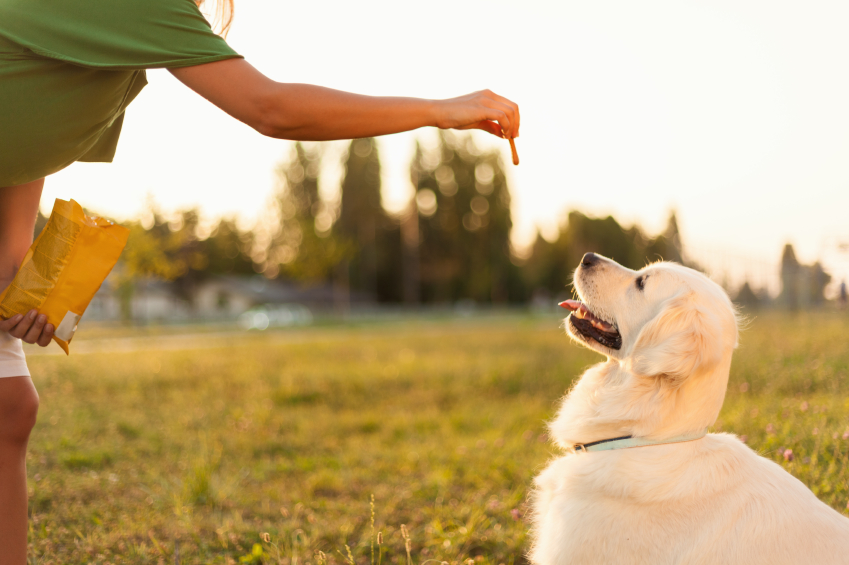
Dog training with treats can be effective, but improper use may create issues. Below are common questions and expert answers on this topic.
Overfeeding treats can lead to obesity in dogs, which poses serious health risks. Obese dogs face a higher chance of developing diabetes, heart disease, and joint issues. These conditions can cause significant discomfort and reduce a dog’s lifespan.
In addition to physical health problems, too many treats can lead to behavior issues. Dogs may become demanding or overly excitable when treats are involved. This can make training more challenging and less effective.
Proper use of treats in training involves moderation and a clear strategy. Start by using treats frequently to teach new commands. Gradually reduce the treat frequency as your dog learns the commands.
Alternating treats with other rewards like verbal praise and play is also beneficial. This mix keeps your dog motivated and prevents over-reliance on treats. Effective training ensures your dog learns to follow commands without expecting a treat every time.
Yes, there are many healthier treat options for dogs. Look for treats made with natural ingredients, low calories, and free from artificial additives. Some healthy options include small amounts of fruits and vegetables like carrots or blueberries.
It’s also helpful to use the dog’s regular food as treats during training. This method reduces the risk of overfeeding and ensures your dog receives balanced nutrition. Always consult your vet before introducing new treats into your dog’s diet.
Overfeeding treats can impact a dog’s mental health by creating dependency and anxiety. Dogs may become more anxious and less confident when treats are not readily available. This can interfere with learning and behavior.
Additionally, dogs might exhibit frustration or obsessive behaviors linked to treat anticipation. It’s important to diversify rewards and provide consistent training without over-relying on treats. Balancing rewards helps maintain a dog’s mental well-being.
Signs of treat reliance include excessive excitement or agitation when treats are involved. If your dog only obeys commands when a treat is visible, this is a clear indicator of reliance. Another sign is a lack of interest in non-treat rewards like praise or play.
To address this, gradually reduce treat dependency by alternating with other reward types. Encourage your dog to respond to commands with various forms of motivation. This will help develop a well-rounded and effective training approach.
Balancing treat usage in dog training is crucial for both physical and mental well-being. Overfeeding can lead to health issues and behavior problems, impacting the effectiveness of training programs. A strategic approach ensures dogs remain motivated and healthy.
Diversifying rewards and gradually reducing treat dependency can create a more balanced training environment. This approach helps in building a strong, trusting relationship between the dog and trainer. A mindful and moderated use of treats enhances both training success and the dog’s overall quality of life.