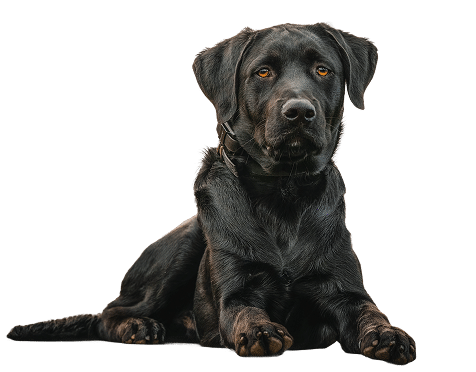
Thick-coated dog breeds, such as the Siberian Husky and the Alaskan Malamute, are built to withstand cold climates. However, this very trait can pose a danger during warmer months. Heatstroke is a real threat for these dogs, making hydration paramount in their care strategies.
Historically, thick-coated breeds were employed in cold regions, conditioned to harsh winters rather than hot summers. The statistic is stark: over 70% of heatstroke incidents in dogs are preventable with proper hydration. By ensuring they have constant access to fresh water, owners can protect their dogs from the dangers of overheating.
Thick-coated dog breeds such as Huskies and St. Bernards are more prone to heatstroke. Their dense fur traps heat, making it hard for them to cool down. Hydration is crucial as it helps regulate body temperature. Without enough water, a dog’s cooling mechanism fails. This can quickly lead to overheating and heatstroke.
Water aids in the cooling process through panting and sweating through their paws. When dogs are hydrated, they can better manage body heat. However, in hot weather, they need more water than usual. Always ensure their water bowl is full. Access to shade and cool spots is equally important.
Owners should watch for signs of dehydration, including excessive panting and lethargy. Dogs might also have dry gums and sunken eyes. If dehydration occurs, immediate action is necessary. Offering cool water can help, but avoid ice-cold water. Severe cases require veterinary care.
Hydration is just one part of preventing heatstroke. Regular breaks and avoiding exercise during peak heat can help. Using cooling mats and fans also aids in keeping dogs comfortable. Providing a balanced diet contributes to overall health. Hydrated dogs are happier and safer in warm weather.
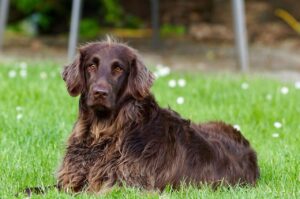
Thick-coated breeds face unique physiological challenges, especially in warm weather. Their dense fur designed for cold climates makes cooling off harder. Unlike humans, dogs don’t sweat all over; they mainly pant. This process is less efficient in furry dogs. As a result, they can overheat quickly.
Another challenge is the insulation provided by their fur. While it protects against cold, it also traps heat. This makes high temperatures even more dangerous. Thick coats can also hide early signs of skin issues. Regular grooming is essential to manage these risks.
Exercising in hot weather is particularly risky. Dogs with thick coats cannot release heat as efficiently. This increases the risk of heat-related illnesses. Owners need to adjust activity levels. Exercise should be done during cooler parts of the day.
Their anatomy also affects breathing. Breeds with thick necks, like Newfoundlands, may have restricted airways. This makes panting less effective. It is important to understand these physiological challenges. By knowing the risks, owners can better protect their pets.
Heatstroke is a life-threatening risk for thick-coated dogs. These breeds, designed for cold climates, struggle when temperatures rise. Their dense fur traps heat, making it difficult to cool down. Without proper care, their internal body temperature can rise rapidly. This leads to severe complications or even death.
Common symptoms of heatstroke include excessive panting and drooling. Your dog might also become lethargic or unresponsive. In severe cases, they might experience seizures or unconsciousness. Immediate action is required if you notice these signs. Quick cooling and veterinary attention can save lives.
The summer months pose the greatest risk. Dogs left in hot cars or outdoors without shade are especially vulnerable. Even short periods in high temperatures can be dangerous. Owners must be vigilant during these times. Small preventive steps can make a big difference.
Preventing heatstroke involves a combination of strategies. Providing plenty of water and shade can keep dogs cool. Limiting exercise during peak temperatures is also crucial. Understanding the unique risks for thick-coated breeds helps in taking effective preventive measures. By being proactive, owners can protect their furry friends from heat-related dangers.
Dehydration in dogs can quickly become serious. Key signs include excessive panting, dry gums, and sunken eyes. Loss of skin elasticity is another symptom. You can check this by gently pulling up your dog’s skin; if it doesn’t snap back quickly, they might be dehydrated. Close monitoring is essential, especially during hot weather.
Lethargy and reduced appetite are additional signs. Dehydrated dogs may show little interest in food or play. Owners might also notice vomiting or diarrhea. This can further deplete water levels. Immediate action is needed if these symptoms appear.
Heavy drooling and dark urine can also indicate dehydration. Dark urine shows that the dog’s body is conserving water. This is not a good sign, as it means kidneys are under stress. Dogs could also develop a dry nose or sticky gums. These traits are easily noticeable.
Behavioral changes should not be ignored. A usually active dog might become less energetic. They may also seek out cool places to lie down. This behavior is a way to cope with the discomfort. Taking these signs seriously can prevent complications.
Dehydration can escalate quickly, especially in heat. Regularly check your dog’s water bowl and carry water on walks. If you notice any signs, offer water immediately. In severe cases, professional help is crucial. Your dog’s health and safety are paramount.
Keeping dogs hydrated during hot weather is crucial. One effective strategy is to always have fresh water available. Refill water bowls frequently. Adding ice cubes can help keep the water cool. This encourages more drinking.
Portable water bottles are great for walks. They allow you to offer water anytime. Carrying a collapsible bowl is also beneficial. It’s easy to pack and provides a convenient drinking method. These tools are essential for outings.
Another strategy involves wetting your dog’s fur. This can help lower their body temperature. Use a spray bottle filled with cool water. Apply it to their back and paws for a quick cool-down. Dogs often enjoy this refreshing spray.
Special hydration treats are available too. These include frozen treats made from water and dog-safe ingredients. You can make these at home. Simply freeze some low-sodium broth or water with a few dog treats inside. It’s a fun and hydrating snack.
Indoor hydration stations are also useful. Place extra water bowls around the house. Dogs can drink more easily this way. Keeping multiple bowls ensures they stay hydrated throughout the day. It’s a simple but effective strategy.
Owners of thick-coated breeds need to take special care during hot weather. Regular grooming is essential to maintain a healthy coat. Removing excess fur helps to keep them cooler. Professional grooming services can be helpful. At-home brushing should also be a routine part of care.
Exercise should be scheduled for cooler times of the day. Early mornings and late evenings are ideal. This reduces the risk of overheating. Always carry water during walks. This keeps your dog hydrated.
Providing plenty of shaded areas is important. If your yard lacks natural shade, consider adding a canopy or doghouse. Indoors, fans and air conditioning can help keep your dog comfortable. Cooling mats are also a great investment. They offer a cool surface for your dog to lie on.
Nutrition is another key factor in preventative care. A balanced diet supports overall health and well-being. Some dogs benefit from added supplements, like omega-3 fatty acids, to improve skin and coat health. Consult your vet before adding any new supplements. A healthy dog is better equipped to handle heat.
Be mindful of the signs of heat stress and dehydration. Keep an eye on your dog’s behavior and physical condition. Act quickly if you notice any unusual symptoms. Know where your nearest emergency vet is located. Quick action can make a huge difference.

Caring for thick-coated dog breeds requires understanding their special needs. These questions and answers cover common concerns and offer practical advice.
Dehydration in dogs can show through several signs. You might notice excessive panting, dry gums, or sunken eyes. Additionally, if your dog becomes lethargic or refuses to eat, these could be warning signs. It’s essential to keep an eye on their behavior, especially during hot days.
Another quick check involves the skin elasticity test. Gently pull up the skin on your dog’s back; if it doesn’t snap back quickly, your dog might be dehydrated. Keeping fresh water available at all times is crucial to prevent dehydration, especially for thick-coated breeds.
The best times to exercise thick-coated dogs in hot weather are early morning and late evening. These times are cooler, minimizing the risk of overheating. Avoid walking or playing with your dog during midday when temperatures are highest. Exercise during cooler periods helps keep your dog’s body temperature regulated.
Additionally, always bring water and take regular breaks. Monitor your dog for any signs of heat stress. If your dog starts panting excessively or slows down, it’s time to cool off and hydrate. Keep walks short to ensure your dog remains comfortable and safe.
Yes, several cooling products can help thick-coated breeds stay comfortable. Cooling mats and vests are popular choices. These items can provide relief from the heat by offering a cool surface for your dog to lie on. Using a cooling vest during walks can also help keep their body temperature down.
Additionally, cooling bandanas and portable fans can be beneficial. These products are designed to assist in managing heat and prevent overheating. You can also try providing frozen treats or ice cubes for your dog to chew on. These small aids make a significant difference during hot weather.
Grooming for thick-coated dogs should be done more frequently in the summer. Regular grooming helps remove excess fur that can trap heat. Brushing your dog at least a few times a week is recommended. This helps maintain their coat and reduces the risk of matting, which can further insulate heat.
Along with brushing, consider professional grooming services for trimming the coat. However, avoid shaving the fur completely, as this can expose the skin to sunburn. Instead, opt for a lighter trim. Regular baths are also essential to keep your dog cool and clean.
If your thick-coated dog shows signs of heatstroke, immediate action is critical. Move your dog to a cooler area out of the sun. Offer small amounts of cool (not cold) water to drink. Using a wet cloth, gently cool your dog by dabbing their body. Be careful not to use ice-cold water as it can shock the system.
Contact your veterinarian immediately for further advice. Severe cases of heatstroke can be life-threatening and require professional treatment. Ensuring your dog receives prompt care can prevent damage to their internal organs. Always be vigilant during hot weather to reduce the risk of heatstroke.
Proper hydration is vital to prevent heatstroke in thick-coated dog breeds. Understanding their unique needs and challenges is key for their well-being. By taking preventive measures, owners can greatly reduce the risk of heat-related issues.
Regular grooming, appropriate exercise schedules, and effective hydration strategies play a crucial role. Stay proactive and attentive to your dog’s needs. Keeping your pet hydrated and cool ensures they remain happy and healthy year-round.