
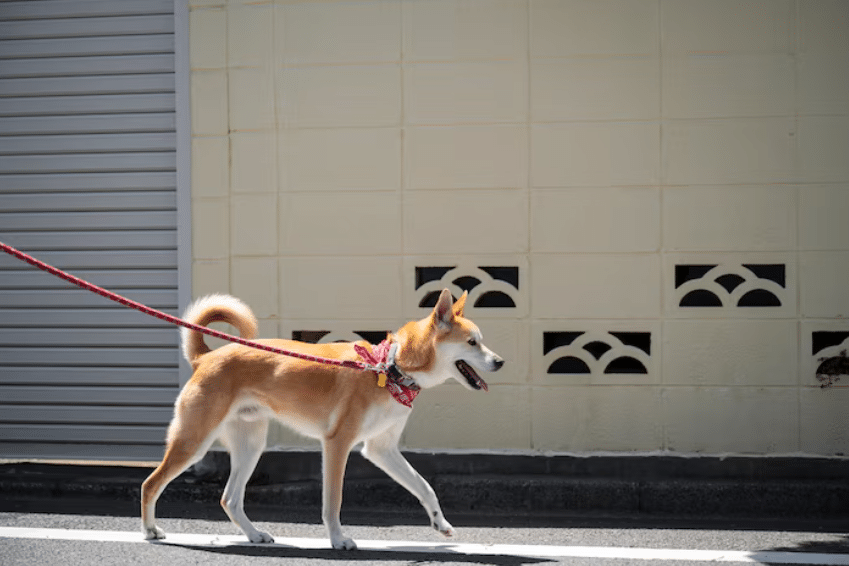
Teaching your dog to heel takes patience, consistency, and the right approach. Leading dog training services use positive reinforcement as the foundation for this skill, and you can do the same at home. This post walks through the basics of heel training, from getting your positioning right to handling distractions. We’ll cover how to reward good behavior and why starting in a calm environment matters. Stick with these steps, and you’ll have your dog walking calmly by your side in no time.
Building a solid foundation is the first step in heel training. Consistency and positive reinforcement make all the difference here. Make sure your dog already knows basic commands like sit and stay. These set the stage for learning to heel. Use treats or a clicker to reward your dog when they walk calmly beside you. Start practicing in a quiet spot with few distractions before making things harder. Keep training sessions short and focused so your dog stays engaged. Once you’ve laid this groundwork, you’re ready to move forward with heel training. With patience and effort, you and your dog will get this down together.
Getting your positioning and timing right is crucial when teaching the heel command. Stand slightly ahead and to the side of your dog, with their shoulder lined up with your leg. Hold the leash in a relaxed way, but keep your arm close to your body for control. Start walking with purpose to signal that it’s time to heel. Timing is everything. Give clear cues and corrections the moment your dog drifts out of position. Stay consistent with your body placement and timing so your dog understands what you expect. This leads to solid heel behavior over time.
Positive reinforcement is the most effective way to train your dog to heel. This means rewarding your dog when they do what you want, like walking calmly by your side. Treats, verbal praise, or a favorite toy all work great as rewards. The second your dog holds the correct heel position, reward them right away. Timing matters; rewards need to come immediately after the good behavior. When your dog connects heeling with positive outcomes, they’ll want to repeat it. Keep training sessions short and fun to hold your dog’s attention. With steady positive reinforcement, your dog will pick up heeling faster than you’d expect.
Start heel training in a low-distraction environment to help your dog focus. A quiet room or familiar enclosed space works best for the early stages. Without outside noise or distractions pulling their attention, your dog can concentrate on learning the command. This controlled setup helps them understand and respond to your cues more easily, making training smoother all around. Build a strong foundation here before adding any challenges. Keep sessions short and upbeat to maintain motivation. Once your dog has heeled in a calm setting, you can start practicing in more challenging environments.
As training progresses, introduce distractions slowly to test and strengthen your dog’s heel skills. When adding distractions, try these steps:
Staying consistent with reinforcement and keeping your patience are the two biggest factors in heel training success. Reward your dog every time they stay by your side and hold the right position. Treats, praise, or toys all work as motivators. Dogs learn through repetition, so reinforce the heel command consistently during every session. Patience matters as much; every dog learns at their own speed, so don’t get frustrated if progress feels slow. Stay calm, celebrate small wins, and keep your dog motivated. Over time, the consistency pays off, and your dog will heel like a pro.
Related Topics: