
When you’re thinking about teaching a dog not to pull on the leash, it helps to start by really noticing their behavior and understanding why they do it in the first place. Some dogs get excited, others are curious about every little thing, and some never learned that walking calmly is a thing.
Working with Woodbridge’s top dog trainers can make a huge difference because they show you how to guide your pup without turning walks into a tug-of-war. Using encouragement, practicing loose leash walking, being consistent in your sessions, and gently redirecting attention all play a role in shaping better habits. Start simple, reward good behavior, and be ready for a few “wait, did that really work?” moments along the way.
Dogs pull for lots of reasons. Sometimes it’s excitement, sometimes it’s curiosity, or maybe they just haven’t learned how to walk calmly. Watching their body language closely is key. You’ll start noticing little signals, like leaning toward a passing dog or sniffing every patch of grass, that tell you when they’re about to tug.
Knowing what triggers your dog makes it easier to step in before the pulling happens. And when they do walk calmly, even for a few steps, giving them some recognition helps them figure out, “Oh, this is what I’m supposed to do.” It’s a slow process, but paying attention to these little cues is where leash training really begins.
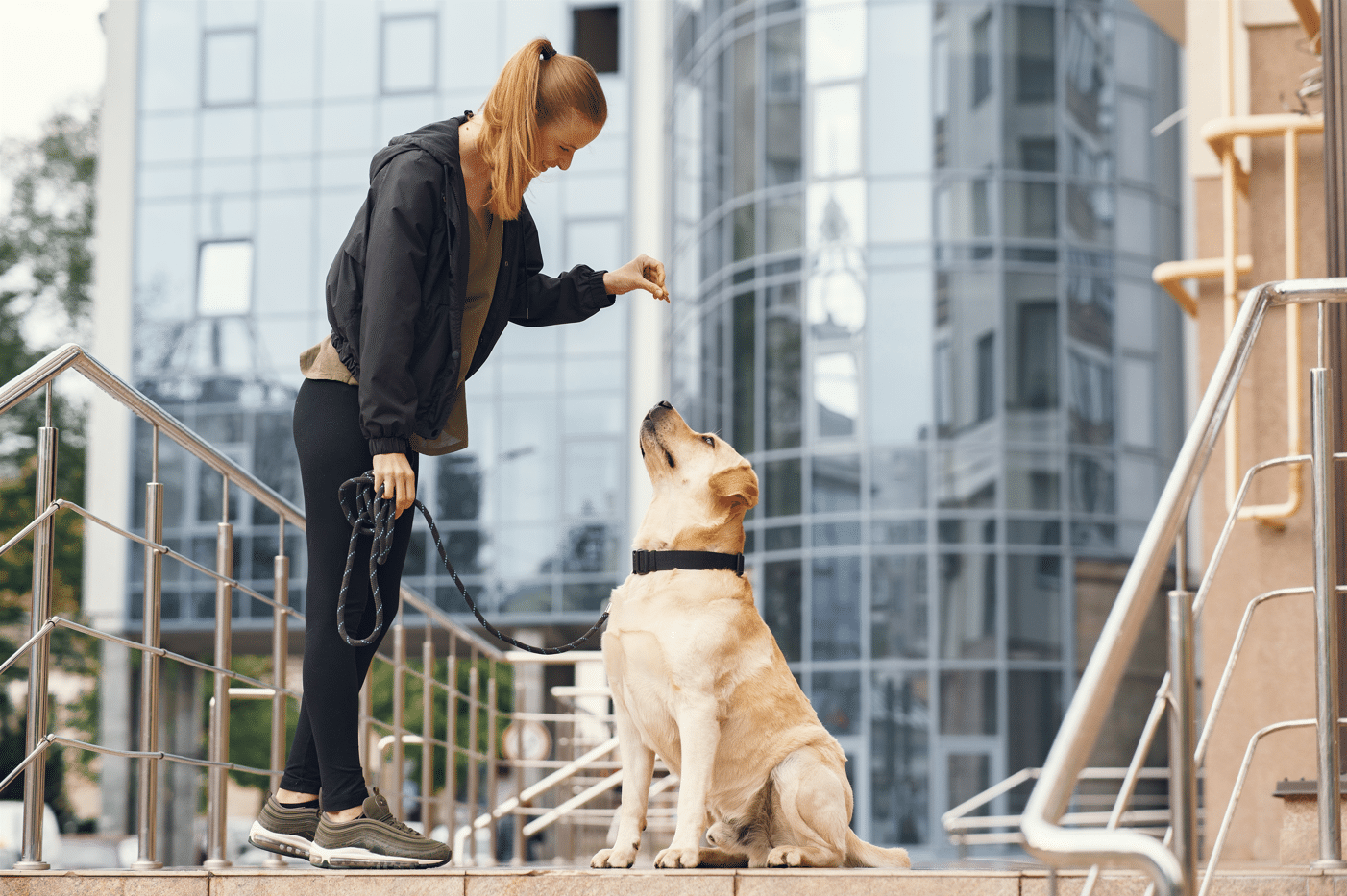
When you understand why your dog pulls, you can start rewarding them for what you want to see instead. Treats, praise, or even a favorite toy when they walk nicely can work wonders. The trick is timing right after they do the thing you like. Don’t just give it at the end of the walk, or they might not connect it.
Keep sessions short enough that your dog doesn’t get bored but frequent enough that it sticks. And yes, some dogs respond more to a tiny piece of cheese than to a “good dog,” so know what really motivates them. Positive reinforcement isn’t just training; it’s also about building trust. Your dog learns that paying attention to you is worth it, not because they’re scared, but because it feels good.
Loose leash walking is one of those things that sounds simple, but it takes patience. Start with a comfortable harness or collar and choose a quiet spot so your pup isn’t overwhelmed. Hold the leash loosely, and if your dog starts pulling, stop walking. Wait until they come back to your side before moving again.
Simple verbal cues like “let’s go” or “heel” can help, but don’t overthink it. Every time they walk nicely, give a little reward. It’s easy to get frustrated, especially if your dog pulls right after you start, but sticking to this routine, short sessions, gentle corrections, and consistent rewards makes a difference over time. They start learning, bit by bit, that walking calmly is the more fun option.
Consistency is everything. Using the same cues, rewards, and timing every session makes it much easier for dogs to understand what’s expected. Doing a little every day works better than one long, exhausting session once a week.
You don’t have to be perfect; dogs are forgiving if you keep at it, but try not to mix signals. If today “heel” means stop, and tomorrow it doesn’t, they get confused. Regular practice also builds a bond; they trust that you’ll guide them in ways that make sense. It’s repetitive, yes, but repetition is how dogs learn. Stick with it, and the lessons sink in faster than you might think.
Sometimes your dog can’t resist that squirrel or passing jogger. That’s where distractions and redirection come in handy. A quick cue, a small treat, or even changing direction helps shift their attention back to you. Do this consistently, and soon your dog will start paying more attention to your movements than to every tempting smell or sound.
Reward them when they walk calmly, even for a few steps, so they learn that being by your side is actually rewarding. It takes patience; some days feel like two steps forward, one step back, but eventually, the tugging slows down. It’s a mind game, but dogs pick up on patterns faster than we expect.
Some dogs need extra help, and there’s nothing wrong with that. If your dog’s pulling is extreme or if there’s aggression involved, a professional trainer can make a big difference. Experienced trainers have seen every kind of leash problem and can show techniques you might not think of on your own.
They also help keep both you and your dog safe while learning. Even if you’ve been practicing daily, getting guidance from someone who knows the ropes can make the training feel manageable and more effective. It’s not a sign of failure; it’s just getting the right support for your furry friend.
Related Topics: