
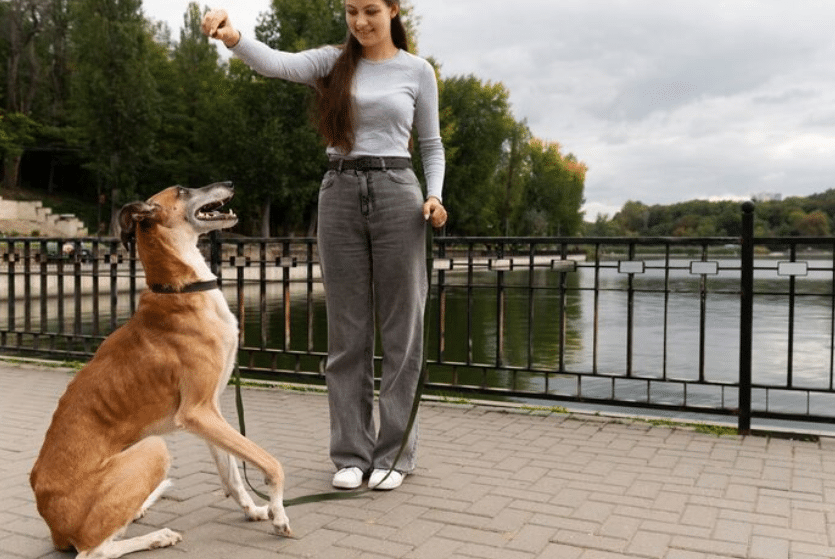
Teaching your dog to come when called is one of the most valuable skills you can build together. This command keeps your dog safe and strengthens your bond. A local dog training school can help, but you can also make solid progress at home with the right approach. This post covers how to lay the groundwork, communicate clearly, use rewards effectively, and handle common roadblocks. With patience and consistency, you’ll have a dog that responds reliably every time.
Building a strong foundation starts with trust between you and your dog. This connection makes communication and teamwork possible during training. Spend quality time doing things your dog enjoys, such as playing fetch, going on walks, or just hanging out together. Be consistent in how you interact, stay positive, and keep your patience in check. A secure relationship sets you both up for success. When your dog trusts you, they’re way more likely to listen and respond. Put in the time now, and the training process gets a lot smoother.
Clear communication is the backbone of teaching the Come command. Stay consistent with your verbal cues, body language, and tone of voice. Dogs pick up on your signals fast, so keep your commands short and direct. Don’t confuse them with mixed messages or conflicting instructions. Pick a set of command words and stick with them every time. Use a firm but upbeat tone when giving commands, and always follow through. When you and your dog are on the same page, training sessions become more productive and your bond gets stronger.
Positive reinforcement means rewarding your dog when they do the right thing. When your dog comes to you on command, give them a treat, praise them, or play with them right away. This teaches them that listening leads to good stuff. The key is consistency; every time they respond correctly, they should get that reward. Dogs catch on quickly when they connect a behavior with something they enjoy. Stick with this approach, and your dog will start responding to the come command without hesitation in all kinds of situations.
Training in different places helps your dog respond to the come command no matter what’s going on around them. Start somewhere quiet with few distractions, then gradually move to busier spots like parks or sidewalks. Each new setting tests your dog’s focus and builds their confidence. Once they nail it in one location, level up to somewhere more challenging. Always bring treats and keep the energy positive. Practicing in multiple environments ensures your dog truly understands the command, not just in your living room but everywhere you go together.
A few common issues can slow down your progress. Distractions like other animals, people, or loud noises might pull your dog’s attention away. Start training in calm spaces and add distractions slowly as your dog improves. Another problem is inconsistency if different family members use different commands or rewards, your dog gets confused. Make sure everyone stays on the same page. Frustration can also get in the way. If you’re feeling impatient, your dog picks up on that energy. Stay calm and positive. Training takes time, so give yourself and your dog some grace.
Regular practice keeps everything your dog has learned in place. Setting up a daily routine with short training sessions, even five to ten minutes, helps. Use the same cue words, hand signals, and rewards every time so your dog knows exactly what to expect. Avoid switching things up too much, since that can undo your progress. Short, frequent sessions beat long, random ones. Stay encouraging and upbeat throughout. When you keep things consistent, your dog builds a strong, reliable response to the come command that sticks.
Related Topics: