
Believe it or not, dogs have been our loyal companions for thousands of years, yet some have never experienced a day of training. Training a dog who’s never been trained before can seem like a daunting task, but it’s certainly achievable with the right approach and patience. The transformation you witness can be truly rewarding, turning a wild, unruly pet into a well-behaved family member.
Understanding where to begin is crucial, starting with basic commands like ‘sit’ and ‘stay’. Incorporating positive reinforcement is key; statistics show that dogs respond 80% better to rewards than punishment. History has shown that consistent training and patience are essential, particularly when working with a dog who lacks previous training experience.
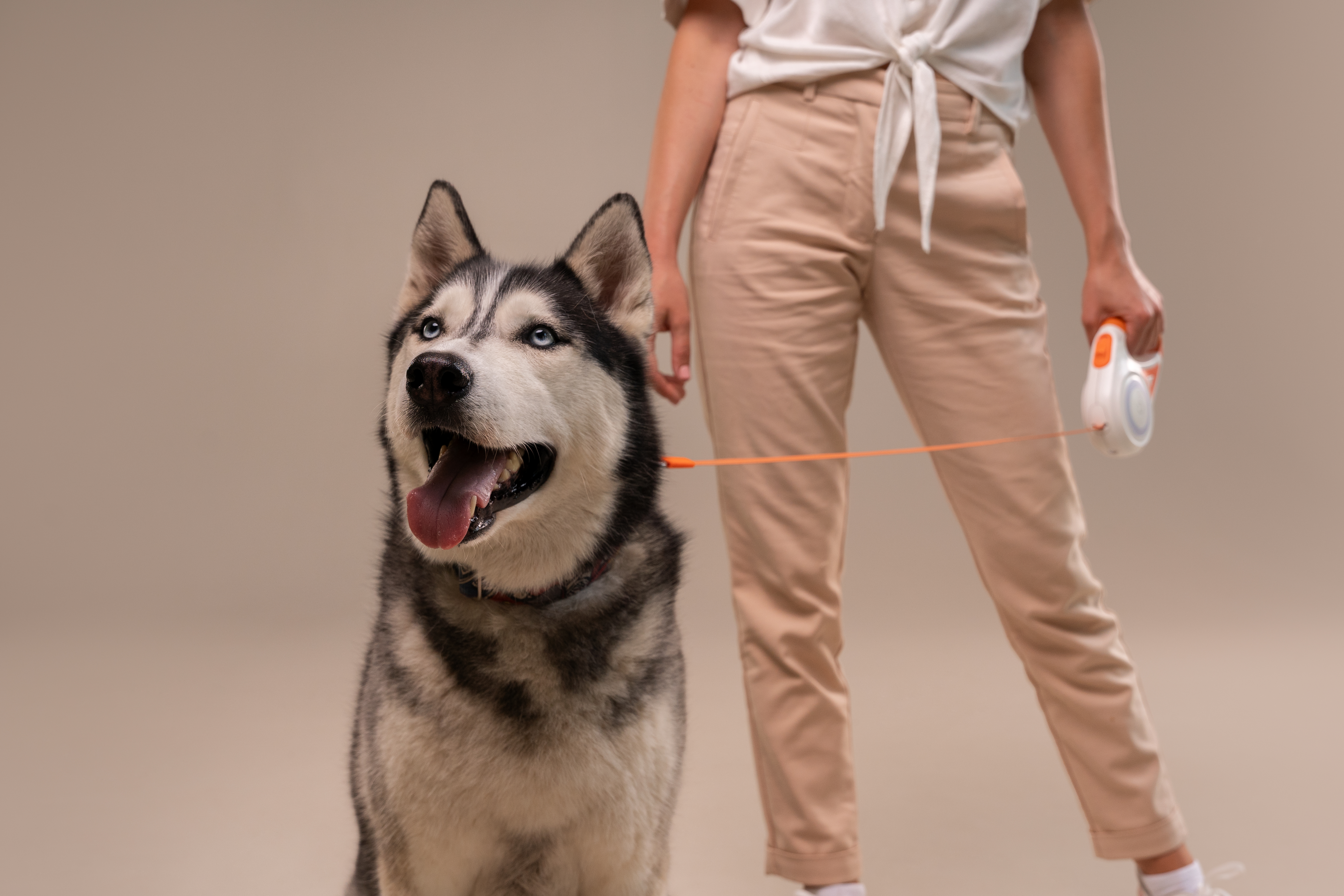
Training a dog who has never been trained before requires patience and consistency. Start with the fundamentals, such as using simple, clear commands. Words like “sit”, “stay”, and “come” should be your focus initially. Reward your dog with treats and praise when they follow these commands correctly. Avoid overwhelming them with too many instructions right away.
Establishing a consistent routine is essential for effective training. Dogs thrive on repetition and structure, so feed them, walk them, and train them at the same times each day. Consistency reinforces their learning and helps them understand what is expected. This will also help build a trusting relationship between you and your pet.
Positive reinforcement is a powerful training tool. This method relies on rewarding desired behaviors to encourage repetition. It is more effective and humane compared to punishment or negative reinforcement. For example, when your dog sits on command, immediately give them a treat or verbal praise. This will make them eager to repeat the action.
Addressing behavioral challenges may take extra time and effort. Some dogs may have habits that require patience to break, such as excessive barking or chewing. Use firm but gentle correction and always keep a calm demeanor. Remember, training a dog is not a one-time activity but an ongoing process. Staying dedicated will yield the best results.
The first step in training a dog who has never been trained before is establishing the fundamentals. Start with creating a dedicated training area that is free from distractions. This could be a quiet room in your home or a fenced outdoor space. Keep training sessions short, around 10-15 minutes, to maintain your dog’s focus. End each session on a positive note with a reward or praise.
Begin teaching basic commands that lay the foundation for further training. The most essential ones are “sit,” “stay,” “come,” and “down.” Use a consistent tone and hand gestures for each command. It’s helpful to demonstrate the action if possible. For example, gently push your dog’s hindquarters down to show them what “sit” means.
Incorporate a reward system to reinforce learning. This can include treats, verbal praise, or petting. Make sure to reward immediately after the desired behavior to strengthen the connection in your dog’s mind. Consistency is key, so everyone in the household should use the same commands and rewards. This will help prevent confusion for your pet.
Practice patience and repetition during this initial phase. Dogs, especially those new to training, need time to understand and remember commands. If your dog doesn’t respond immediately, don’t get frustrated. Instead, calmly repeat the command and guide them if necessary. Over time, with consistent practice, your dog will start to grasp these fundamental instructions.
Once your dog is familiar with the fundamentals, you can begin to implement basic commands. Start with the ‘sit’ command, as it’s one of the easiest for dogs to learn. Hold a treat close to their nose, and move your hand up, allowing their head to follow the treat and causing their bottom to lower. Once they are in a sitting position, say “sit,” give them the treat, and offer praise. Consistency will lead to quicker learning.
Another crucial command is ‘stay.’ Have your dog sit first, then open the palm of your hand in front of you and say “stay.” Take a few steps back, and if they remain in place, reward them with a treat. If they move, gently guide them back and try again. Practice this command daily, gradually increasing the distance and duration over time.
The ‘come’ command is vital for safety. Put a leash on your dog and go to a quiet space. Gently pull on the leash while saying “come.” When they move towards you, reward them enthusiastically. This command helps in situations where you need your dog to come to you immediately.
Incorporating the ‘down’ command helps with control and obedience. Start with your dog in the sitting position. Hold a treat close to their nose and lower it to the ground. Say “down” as they follow the treat and lay down. Reward them with the treat when they are fully down. Practice regularly and keep sessions short to maintain their attention.
Creating a consistent routine is essential for a well-trained dog. Dogs thrive on structure and predictability, which helps them feel secure. Start by setting regular times for feeding, walking, and training sessions. Stick to these times every day to establish a clear pattern. This will help your dog understand what to expect and when to expect it.
Morning routines often set the tone for the rest of the day. Begin with a walk or some exercise to burn off energy and keep your dog fit. Follow this with their breakfast and a brief training session. The combination of physical and mental stimulation helps your dog remain calm and focused throughout the day. Make sure to keep these activities consistent to reinforce positive behavior.
Training sessions should be a regular part of your daily routine. Set aside specific times for this, whether it’s in the morning, afternoon, or evening. Keep each session short, around 10-15 minutes, to maintain your dog’s focus. Consistent practice strengthens their learning and helps reinforce commands over time. Remember, patience and repetition are key to successful training.
Consistency applies to more than just scheduled times. Use the same commands and rewards every time to avoid confusing your dog. Everyone in the household should use the same words and actions. This unified approach prevents mixed signals and aids quicker learning. Above all, maintain a positive attitude during training to build a trusting relationship with your pet.
Regular playtime is also an important part of the routine. Dogs need time to relax and enjoy themselves just like humans do. Incorporate games like fetch or tug-of-war into their daily schedule. This not only helps with physical exercise but also strengthens the bond between you and your dog. Balancing work and play ensures a happy, well-adjusted pet.
Positive reinforcement is a proven method to train dogs effectively. This technique involves rewarding good behavior to encourage its repetition. Rewards can include treats, praise, or playtime. It’s essential to provide the reward immediately after the desired behavior. This helps your dog make the connection between the action and the reward.
Consistency is critical when using positive reinforcement. Make sure every family member is on the same page and uses the same commands and rewards. This prevents confusion and aids in quicker learning. For best results, carry treats or a favorite toy with you. This ensures immediate rewarding of good behavior.
Constantly monitor your dog and catch them in the act of good behavior. This can include sitting calmly, playing nicely, or coming when called. Reward these behaviors to reinforce them. This will make your dog more likely to repeat these positive actions. Over time, you’ll see an improvement in overall behavior.
As your dog learns new commands, gradually reduce the frequency of treats. Start by rewarding every time, then slowly decrease to every other time. This approach helps sustain good behavior without needing constant rewards. Praise and affection can eventually replace treats entirely.
It’s also important to stay patient and avoid negative reinforcement. Punishing your dog can lead to fear and anxiety, making training more difficult. Instead, focus on reinforcing the actions you want to see. Redirect unwanted behaviors gently and reward the correct actions. A positive approach makes training enjoyable for both you and your dog.
Remember to celebrate small successes along the way. Training a dog is a continuous process, and each step forward is an achievement. Keeping a positive and encouraging attitude builds a strong bond with your dog. This bond is essential for long-term success and a happy, well-behaved pet.
Tackling behavioral challenges is a vital part of dog training. Common issues include excessive barking, chewing, and jumping on people. It’s essential to understand the root cause of these behaviors. Often, dogs act out due to boredom, anxiety, or lack of exercise. Identifying the cause can help in developing an effective solution.
For problems like excessive barking, start by teaching the “quiet” command. When your dog barks, use a calm voice to say “quiet.” Wait until they stop barking, then reward them immediately. Consistency is key; practice this command regularly. Soon, your dog will learn to stop barking on cue.
Chewing is another common issue, particularly in puppies. Providing plenty of chew toys can help redirect this behavior. Ensure you praise your dog when they chew on the appropriate items. Remove items you don’t want chewed on and replace them with toys. This will train your dog to make better choices.
Jumping on people can be managed with structured training and patience. Teach your dog to sit when greeting people instead. When they jump, turn away and ignore them. Once they are calm and sitting, offer praise and a treat. This teaches them that sitting gets attention, whereas jumping does not.
Sometimes, behavioral issues persist despite training. In such cases, consulting a professional dog trainer can be helpful. They can provide tailored advice and techniques for your specific situation. Professional trainers have experience with a wide range of issues. Their guidance can make a significant difference.
Finally, never resort to harsh punishments or negative reinforcement. These methods can damage the bond between you and your dog. Positive reinforcement and patience yield better results. Consistent, gentle correction helps your dog learn appropriate behaviors. Remember, training is an ongoing process that requires time and dedication.
Having the right tools and equipment can make dog training much easier. A good leash is essential for control during walks and obedience training. Choose a sturdy, comfortable leash that suits your dog’s size. Collars are also important, with options like flat collars for everyday use or martingale collars for dogs that pull. Make sure the collar fits well and is not too tight.
Treats play a crucial role in positive reinforcement training. Use small, tasty treats that your dog loves to encourage good behavior. Keep treats handy in a treat pouch worn on your belt or pocket. This makes it easy to reward your dog immediately after they follow a command. Consistency in rewarding helps reinforce learning.
A clicker is another valuable tool for training sessions. Clicker training involves using a small device that makes a clicking sound to mark desired behaviors. The click is followed by a treat, helping your dog understand exactly what action was correct. Clickers are inexpensive and can significantly speed up the learning process.
Chew toys and interactive puzzles can help manage destructive behaviors and keep your dog engaged. These items provide mental stimulation and prevent boredom, which often leads to negative actions like chewing furniture or excessive barking. Rotate toys regularly to maintain your dog’s interest.
Certain situations may require specialized equipment like harnesses or gentle leaders if you have a particularly strong or reactive dog. This gear provides better control without hurting your pet. Always choose high-quality products to ensure safety and effectiveness during training sessions.
Selecting the right tools can drastically improve the efficiency of your training efforts, leading to faster results and happier interactions with your furry friend.
Grasping the basics of dog psychology can greatly enhance your training efforts. Dogs are pack animals and respond well to a clear hierarchy. Establishing yourself as a calm and assertive leader helps your dog feel secure. It’s important to be consistent and fair in your commands and responses. This approach builds trust and respect.
Recognizing your dog’s body language is crucial. Dogs communicate a lot through their posture, tail position, and facial expressions. For example, a wagging tail doesn’t always mean they’re happy; it could indicate excitement or even agitation. Understanding these signals can prevent miscommunication and build a stronger bond. Observing your dog’s cues helps you adjust your training methods accordingly.
Know that dogs learn through a process called operant conditioning. This means they associate actions with consequences. Positive reinforcement, like giving treats or praise, encourages them to repeat good behaviors. Conversely, ignoring or redirecting bad behavior is more effective than punishment. Consistent application of these principles ensures better training outcomes.
Different breeds may have psychological traits that influence their training. Certain breeds are more independent or stubborn, while others might be eager to please. Tailor your training techniques to fit your dog’s specific needs. For instance, a Border Collie might excel with agility tasks, while a Basset Hound may need more patience with basic commands.
Consistency and patience remain the cornerstones of effective training. Understanding your dog’s psychology enables you to approach training with empathy and insight. This knowledge not only improves training outcomes but also strengthens your bond with your furry companion.
Avoiding common mistakes can significantly improve your dog’s training experience. One major mistake is inconsistency in commands and actions. Dogs thrive on routine and predictability, so using different words for the same command confuses them. Ensure everyone in the household uses the same commands and rewards. This helps your dog learn faster.
Another frequent error is neglecting to establish oneself as the leader. Dogs need a clear leader to feel secure. If you don’t provide firm guidance, your dog may develop unwanted behaviors. Be calm and assertive, and set boundaries. Your dog will respect you more and be more responsive.
Some dog owners unknowingly reinforce negative behaviors. For example, comforting a scared dog during a thunderstorm may actually reinforce their fear. Instead, provide distractions like toys or engage in play. Reward calm behavior to encourage positive reactions in stressful situations. This approach rewards resilience and calmness.
Overloading the dog with too many commands at once is another common mistake. Keep training sessions focused on one or two commands at a time. This helps your dog concentrate and avoids confusion. Gradually introduce new commands once the basics are mastered. Simplicity and focus lead to better learning outcomes.
Finally, remember that punishment is counterproductive. Harsh corrections can create fear and anxiety, making your dog less likely to obey. Instead, use positive reinforcement to encourage good behavior. Gentle corrections and redirection are far more effective. This method nurtures trust and a strong bond between you and your pet.
Continuing your dog’s education is crucial for long-term success. There are many resources available to aid in training and behavior improvement. Websites like the American Kennel Club offer a wealth of information. They provide articles, videos, and training guides. These resources can help you stay informed on best practices.
Books on dog training can also be extremely helpful. Many experts have written comprehensive guides that cover various training techniques. Look for books by renowned trainers like Cesar Millan or Patricia McConnell. They offer insights gained from years of experience. Reading such material can deepen your understanding of dog behavior.
Online courses and webinars provide interactive learning experiences. Platforms like Udemy or Coursera offer courses on dog training techniques. These can be convenient for busy schedules. You can learn at your own pace and revisit materials as needed. Many courses also offer certificates upon completion.
Joining local dog training clubs or classes can provide hands-on experience. These clubs often offer group classes or one-on-one sessions with professional trainers. Interaction with other dog owners can also be beneficial. Sharing experiences and tips can enhance your training efforts. It’s a great way to socialize your dog as well.
Following reputable trainers on social media can keep you updated on new techniques. Many trainers share tips, success stories, and live training sessions. This can be an easy and engaging way to continue learning. Consistent education and application of new methods can result in a well-behaved and happy dog.

Training a dog, especially one that has never been trained, can be challenging. Below are some common questions and their answers to help you through the process.
The duration of training depends on various factors, such as the dog’s age, breed, and behavior. Typically, it can take several weeks to a few months for a dog to learn basic commands and proper behavior.
It’s important to remember that training is an ongoing process. Consistent practice and reinforcement are key to maintaining your dog’s new skills and good behavior over the long term.
The best treats for dog training are small, soft, and highly palatable. These treats include small pieces of chicken, cheese, or store-bought training treats specifically designed for training purposes.
Avoid using treats that are high in sugar or artificial ingredients. Always keep the treat portions small to prevent overfeeding during training sessions.
Yes, older dogs can be trained effectively. While it may take more patience and time compared to training puppies, older dogs are capable of learning new commands and behaviors.
The key is to use consistent, positive reinforcement techniques and to be patient. Older dogs often have longer attention spans, which can be an advantage during training sessions.
To stop excessive barking, identify the trigger causing your dog to bark. Common triggers include boredom, anxiety, or the presence of other animals and people.
Once you identify the trigger, use distraction, exercise, and training commands like “quiet” to manage and reduce barking. Consistently rewarding quiet behavior will reinforce this positive change.
Clicker training is generally effective for most dogs, as it uses positive reinforcement to mark desired behaviors. The clicker helps your dog understand which behavior you are rewarding.
However, some dogs may be sensitive to the sound of the clicker. In such cases, use an alternative marker, such as a verbal command, to achieve similar results. Consistency is the key to success with any training method.
Training a dog who’s never been trained before requires patience, consistency, and the right approach. By understanding dog psychology and using positive reinforcement techniques, you can effectively teach your dog basic and advanced commands. A well-trained dog leads to a happier and more harmonious household.
Remember, training is an ongoing process that strengthens the bond between you and your dog. Utilize the various tools and resources available to enhance your training efforts. With dedication and persistence, your dog will learn and thrive. The journey may be challenging, but the rewards are worth it.