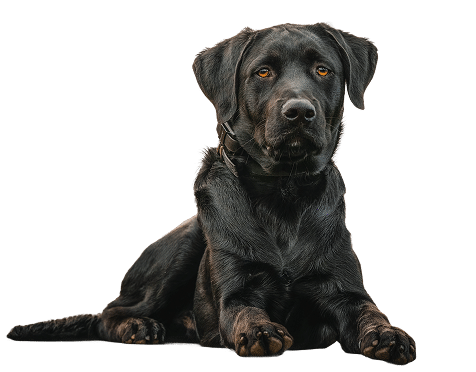
It’s fascinating to know that while all dogs can struggle with impulse control, certain breeds have a more pronounced difficulty. For instance, Terriers, known for their high energy, often find it challenging to stay calm in stimulating environments. Behavioral specialists have noted this trend in several other breeds as well.
The history of these breeds often provides context for their impulsive behaviors. For example, Border Collies were bred for herding and require constant engagement, which can translate into restlessness and impulsivity. According to a recent study, around 60% of owners of these high-energy breeds report higher-than-average incidents of impulsive actions, underscoring the need for specialized training techniques.
Certain dog breeds struggle more with impulse control due to genetic traits and historical breeding purposes. High-energy or highly alert breeds like Border Collies and Terriers exhibit impulsive behaviors because they were bred for demanding tasks such as herding or hunting, requiring keen responsiveness and high stamina.

Many dog breeds struggle with impulse control due to their genetic makeup and history. Breeds like Border Collies, bred for herding, have high energy levels and alertness that can make them impulsive. Similarly, Terriers were originally bred for hunting small animals, which makes them more reactive and excitable. This genetic predisposition makes it harder for them to stay calm in various environments. Understanding these traits helps in managing their behavior better.
Breed characteristics play a crucial role in impulse control. Certain breeds have a natural drive that makes them more excitable. For example, Retrievers are known for their enthusiasm and high energy levels, which can sometimes translate into impulsive actions. Different breeding purposes have emphasized traits like alertness, energy, and responsiveness. These traits, while beneficial in certain tasks, can challenge impulse control.
Training strategies must be tailored to the specific needs of these breeds. Using techniques that promote focus and calmness can be very effective. Positive reinforcement is essential; rewarding good behavior helps in managing impulsive actions. Structured activities like agility training can channel their energy in a controlled manner. Consistent routines also offer stability, which aids impulse control.
Breed comparisons show varied impulse control struggles. Studies indicate that around 60% of owners of high-energy breeds report higher incidents of impulsivity. For example, Beagles, bred for tracking and hunting, are often more driven by their nose, leading to impulsive behavior. Conversely, breeds like Greyhounds, bred for speed and quick runs, may show less restlessness due to their calmer domestic environment. These insights highlight the importance of adapting care and training based on breed-specific needs.
Genetic traits play a significant role in a dog’s behavior. A breed’s history often explains these traits. For example, Terriers were bred for hunting and catching rodents. This required them to be quick and agile, leading to high energy levels today. Such inherited traits can impact their impulse control.
Another example is the Border Collie, bred for herding livestock. They needed to be alert and responsive to commands. These traits make them excellent working dogs but can also lead to impulsivity in daily life. Their quick reactions are perfect for herding but can be challenging in an urban setting. This history shapes their current behavior.
Certain breeds were developed with specific tasks in mind. Retrievers, for instance, were bred to fetch game for hunters. This required a high level of enthusiasm and stamina. Such traits are ingrained in their genetics, influencing their behavior today. Understanding this background helps in managing their training and activities.
The Basset Hound’s history as a scent hound demonstrates another example. Bred for their keen sense of smell, they often react strongly to scents. This can make them seem impulsive when they catch a whiff of something interesting. Recognizing these historical aspects helps in understanding and addressing their impulse control struggles.
Breed characteristics significantly influence a dog’s behavior and impulse control. For instance, some breeds are naturally more energetic and active. Dogs like Border Collies and Jack Russell Terriers are examples of high-energy breeds. They require more physical and mental stimulation. Without it, they may exhibit impulsive behaviors.
Breed-specific traits also impact how dogs react to their environment. Guard dogs like German Shepherds and Dobermans are more alert and protective. These traits can lead to overreaction in everyday situations. Such behaviors are a result of their instinct to protect. Understanding these traits is key in training.
Some breeds are more independent, affecting their impulse control. Hounds, like the Beagle or Bloodhound, were bred to think and hunt independently. This trait can make them less responsive to human commands. Independence in these breeds often results in them acting on their impulses. Proper training can help manage this.
There are breeds known for their gentler temperaments. For example, the Newfoundland or Basset Hound tends to be more relaxed. These dogs usually display better impulse control. However, even within these breeds, individual differences exist. Tailoring training to each dog’s unique characteristics is crucial.
Training dogs with strong breed-specific traits can present unique challenges. High-energy breeds like Huskies and Terriers often require more intensive training. Their natural instincts can make them more difficult to control. Keeping these dogs engaged with varied activities is essential. This not only addresses their physical needs but also their mental stimulation.
Consistency in training is key for breeds that struggle with impulse control. Regular routines help these dogs know what to expect. Consistency also helps in reinforcing positive behaviors. For impulsive breeds, sporadic training can lead to confusion. Sticking to a regimen benefits both the owner and the pet.
Positive reinforcement is an effective training strategy. Rewarding good behavior encourages dogs to repeat it. Treats, praise, and playtime are excellent ways to reinforce positive actions. Negative reinforcement can often backfire, increasing stress and impulsivity. Using a reward-based system is more productive for managing impulse control.
Interactive toys and puzzles are useful tools for training. These items engage the dog’s mind and reduce boredom. Boredom can lead to unwanted impulsive behaviors. Incorporating play into training sessions makes them more enjoyable for the dog. This approach keeps the dog motivated and focused.
Socialization is another crucial aspect of training impulsive breeds. Exposure to different environments helps them adapt better. Introducing them to various situations can reduce anxiety and impulsiveness. Socialization should be gradual to avoid overwhelming the dog. Proper socialization can lead to a more balanced and well-behaved pet.
Understanding each breed’s history and characteristics aids in developing effective training plans. Tailoring strategies to suit the specific needs of the breed is essential. For instance, herding breeds benefit from agility training. Hunting breeds may respond well to tracking exercises. Customizing training based on these factors ensures better results.
Comparing different breeds offers valuable insights into impulse control issues. For instance, Border Collies, known for their intelligence, often struggle with focus due to their high energy. They require constant mental engagement, making training both crucial and challenging. In contrast, Labradors are more adaptable but still face difficulties with impulse control, especially when young. Their playful nature can sometimes lead to destructive behaviors if not properly managed.
Beagles, with their strong scent drive, exhibit distinct impulsive behaviors. They’re often found following scents impulsively, making recall training essential. Owners need to use specific strategies to address this, focusing on high-reward incentives. This makes sense as Beagles are historically scent-hounds. Their training emphasizes olfactory activities to harness their natural instincts productively.
Another interesting comparison is between German Shepherds and Greyhounds. German Shepherds, bred for protection and work, often exhibit strong impulses to guard and react. This can make them overreact to stimuli if not trained properly. Greyhounds, on the other hand, are generally more laid-back but can show impulsivity when they see small animals due to their history as racing dogs. Both breeds require targeted training approaches tailored to their unique backgrounds.
Boxers and Dachshunds also provide a contrasting case study. Boxers, known for their playful and energetic nature, often need rigorous training routines. Their impulsiveness can be managed by providing ample physical activity. Dachshunds, having been bred for hunting, can sometimes show stubborn impulsiveness. Training them involves a mix of patience and creative problem-solving.
The differences among breeds highlight the need for specialized training methods. High-energy breeds benefit from intense physical and mental stimulation. Scent-driven breeds, like Beagles, require scent-based activities to keep them engaged. Protective breeds need focused commands to manage their guarding instincts. Tailoring training to these specific needs leads to better outcomes for both dogs and their owners.
Owners and trainers play a crucial role in managing dogs with impulse control issues. Understanding a dog’s breed-specific traits helps tailor effective training strategies. This knowledge also aids in setting realistic expectations for behavior. For instance, a high-energy breed will need more exercise. Recognizing these needs helps in preventing frustration for both the dog and its owner.
Different breeds require varied approaches to training. High-energy breeds like Huskies benefit from rigorous physical activities. Activities such as running and agility training can be very effective. Meanwhile, scent-driven breeds like Beagles need mental stimulation through scent-based games. Providing suitable activities helps manage impulsive behaviors better.
Consistency in training routines cannot be overstated. Dogs thrive on routine and predictability. Regular training sessions help reinforce expected behaviors. This is especially important for impulsive breeds. Sticking to a consistent schedule makes training more effective.
Socialization plays a key role in impulse control. Exposing dogs to different environments helps them become more adaptable. Gradual introduction to new situations can reduce anxiety and impulsivity. Both owners and trainers should prioritize socialization. A well-socialized dog tends to be calmer and more manageable.
The use of positive reinforcement is essential. Rewarding good behavior encourages dogs to repeat those actions. Treats, toys, and verbal praise are effective rewards. Negative reinforcement can often exacerbate impulse control issues. Focusing on positive methods yields better long-term results.
Ultimately, owners and trainers must work together to address these challenges. Collaboration ensures a consistent approach to training. Individualized training plans can enhance a dog’s impulse control. Understanding the breed’s history and characteristics is crucial. This partnership leads to a happier and better-behaved dog.
Impulse control can vary widely among different dog breeds due to genetic and historical factors. Here are some commonly asked questions that delve deeper into this topic.
High-energy breeds like Border Collies and Terriers benefit greatly from positive reinforcement training. Rewarding good behavior with treats, toys, or praise helps them understand what actions are desired. Incorporating activities like agility training or fetch can also help channel their energy constructively.
Consistency is crucial when training these energetic dogs. Setting a regular routine helps them understand what to expect, reducing impulsive behaviors. Mental stimulation through puzzle toys and scent games can also keep their minds engaged. This prevents boredom and the destructive actions that can come from it.
Dogs with a strong prey drive, like Greyhounds or Beagles, often struggle with the impulse to chase. Training an effective recall command can be invaluable. Using treats or favorite toys as rewards can help make the recall command irresistible. Practice this in a controlled environment before trying it in open spaces.
Leash training is another important tool for managing this impulse. A well-fitted harness and consistent training can help control sudden lunges. Redirecting their focus with toys or commands can also help. Engaging them in activities that mimic the chase, like fetch, satisfies their natural instincts in a safe manner.
While diet alone can’t solve impulse control issues, it can contribute to overall well-being. Some experts suggest diets rich in Omega-3 fatty acids to help cognitive function. Quality protein sources are also important for maintaining energy levels without causing hyperactivity.
Consulting with a veterinarian to tailor a diet specific to your dog’s needs can be beneficial. Avoiding foods with excessive sugars and additives can help. Proper hydration is also key, as dehydration can lead to irritability and restlessness. A balanced diet supports both physical and mental health.
Socialization plays a significant role in managing a dog’s impulses. Exposing a puppy to various people, environments, and other animals can make them more adaptable. This reduces the likelihood of impulsive reactions to new stimuli. Positive experiences during socialization help build a dog’s confidence.
Gradually introducing new experiences is important. Overwhelming a dog can increase anxiety and lead to more impulsive behaviors. Controlled and incremental exposure works best. Owners should always reward calm and composed behavior during these introductions.
Regular exercise is crucial for managing impulsivity in dogs. High-energy breeds, in particular, need ample physical activity to prevent boredom and the resulting behavior issues. Exercise helps in burning off excess energy, leading to calmer and more controlled behavior.
Daily walks, play sessions, and structured activities like fetch or agility training can be very effective. Mental exercises, such as puzzle toys or scent games, also play a role in keeping a dog engaged. A well-exercised dog is often a well-behaved dog.

Understanding why certain breeds struggle more with impulse control allows for more effective training and management. Recognizing the genetic and historical factors that influence behavior helps tailor approaches specific to each breed. This knowledge not only aids in training but also enhances the overall well-being of the dog.
Both owners and trainers benefit from adopting strategies that consider a dog’s unique traits. Consistent routines, positive reinforcement, and appropriate mental and physical stimulation are key. With the right methods, managing impulsive behaviors becomes much more feasible, leading to happier, well-balanced pets.