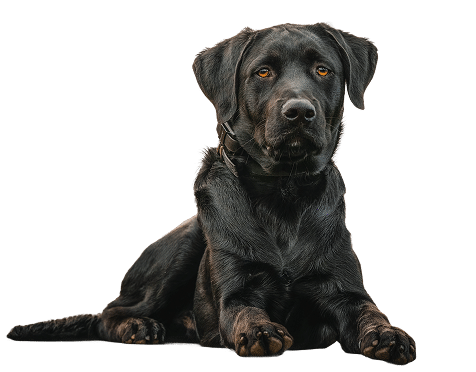
You sit down on the couch after a long day, reach over to pet your dog, and your pup lets out a low, unmistakable growl. Maybe it happened near the bed, during a belly rub, or when you tried to pick them up. If you are dealing with a dog growling at its owner suddenly, you are probably feeling confused, hurt, and a little scared.
Here is the first thing to understand: this is not sudden “meanness.” Growling is a form of communication for dogs. It is an early warning signal that gives you time to change the situation before a dog bite occurs. When a dog growls, they are telling you something important about how they feel.
This article will walk you through the most common reasons behind sudden growling, what to do in the moment, mistakes that make things worse, and when it is time to call your vet or seek professional help. Understanding your dog’s behavior is the first step toward rebuilding trust and keeping your home safe.
When a dog growling at its owner suddenly becomes part of your daily reality, it is natural to wonder what went wrong. The short answer: your dog is trying to tell you something. Dogs growl to communicate discomfort or fear. They may feel pain, anxiety, confusion, or a strong need to protect something they value.
Canine aggression rarely appears out of thin air. Most dogs show subtle body language signals before a growl, including lip licking, yawning when not tired, turning the head away, stiffening the body, or showing whale eye (the whites of the eyes). When those quieter signals are missed, the dog’s response escalates to a growl, a snarl, or eventually a snap.
Think of your dog’s growl as a warning signal. Your dog may be reacting to a perceived threat, discomfort, pain, or uncertainty in the moment. When the situation feels safe, most dogs relax. When something feels wrong, they may growl to ask for space before the situation escalates.
Any dog can growl, including sweet family pets, puppies, and certain breeds often considered gentle. Play growling is a normal part of how dogs interact and is usually accompanied by relaxed body language, a loose tail, and bouncy movements. But if your normally calm dog started growling during petting, resting, or routine handling, that is a clear sign something has changed and deserves your close attention.
A growl is not the mark of a “bad dog.” It is a vital warning signal that protects both the dog and the people in the home by giving everyone time to respond before dog bites occur.
Figuring out why your dog started growling is the key to changing the behavior and keeping everyone safe. Below are the most common causes to consider.
Undiagnosed pain is one of the most common medical causes for a dog to growl. Growling can indicate pain from conditions like arthritis, hip dysplasia, dental disease, ear infections, or recent injuries. A dog who once loved being picked up may suddenly growl when you lift them because touching their body now hurts.
Pay close attention if your dog growls when you touch specific spots, such as the hips, back, ears, or teeth. Growling can indicate pain if it occurs suddenly or frequently, and veterinarians advise considering unexpected growls as a medical issue until proven otherwise. Abrupt behavioral shifts in dogs often stem from physical discomfort or neurological distress. Neurological conditions can cause extreme irritability in dogs, and cognitive dysfunction in older dogs can cause confusion and anxiety that leads to new behavior patterns, including growling at familiar family members.
Dogs may growl when they feel threatened or anxious. Common triggers include sudden movements, a person leaning over them, unfamiliar visitors, children running through the same room, or encounters with other dogs or other animals. A dog who was previously startled or had a bad experience may become anxious and display signs of stress that culminate in growling.
Environmental stress changes routines and can create anxiety in dogs. Moving to a new home, adding a baby to the family, or shifting schedules can make a dog feel uncomfortable and uncertain about what is expected.
Dogs may guard food, toys, or sleeping areas. Resource guarding can cause dogs to growl when approached, and this is a normal part of canine behavior rooted in survival instincts. A two-year-old dog that suddenly growls when you sit on the couch beside him may be guarding the spot he considers his own.
Dogs may growl to warn others away from their resources. If these warnings are ignored, resource guarding can escalate to biting if unaddressed. Training and behavior modification can help with resource guarding, but owners should avoid forcing access to food, toys, beds, or resting spots. If a dog growls, snaps, or lunges around a valued item, consult a qualified trainer, behavior professional, or veterinarian before trying exercises at home.
Some dogs develop sensitivity to touch through past discomfort or negative associations. Nail trims, brushing, grabbing the collar, or lifting the dog can trigger a defensive dog’s response. Dogs may growl if they are woken up suddenly or startled, and growling can occur when dogs are disturbed during sleep. Light touches around sensitive areas like the paws, ears, or tail may cause a reaction, especially if those areas were previously handled roughly.
Changing household routines, restricting furniture access, or introducing new training methods can create confusion. A dog who does not understand what is expected may use growling to express frustration or pushback. This is not “dominance.” It is a dog trying to navigate unclear expectations.
While certain breeds and individual temperaments may show stronger guarding or protective instincts, context, environment, and training history matter far more than breed alone. Any dog, regardless of breed or size, can develop this new behavior under the right (or wrong) circumstances.
The first and most important step: stop what you are doing. Do not lean in, raise your voice, or make sudden movements. Give the dog space so the situation does not escalate. Safety comes first for every person in the home.
Acknowledge the growl as communication. Your dog is not being defiant. They are telling you something is wrong. If they growl on the bed or couch, do not grab or drag them. Instead, calmly invite them to move using a verbal cue. If you do not have one yet, simply step back and redirect your dog’s attention with a calm tone.
After the moment passes, think about what was happening right before the growl. Were you reaching for their food? Touching a specific part of their body? Moving near their resting spot? Note the dog’s body language, the environment, and any other details. Keeping a detailed history of these incidents helps you and any professional you consult identify patterns.
Predictable routines, regular walks, mental enrichment, and consistent house rules reduce ongoing stress. Dogs feel more secure when they know what to expect from their dog’s life day to day. Routine training builds focus and calm over time.
Obedience training is not about control for its own sake. Training provides clear communication between dogs and owners, giving both sides a shared language. Key skills include:
Practice these important commands in low-distraction environments first. Use high-value treats to reward the dog for making the right choice. Positive reinforcement, desensitization, counterconditioning, and structured obedience can all be useful parts of a behavior plan. For aggression, growling, or bite-risk cases, the safest approach is a customized plan that considers the dog’s triggers, medical history, and environment. Positive reinforcement teaches dogs desirable behaviors effectively, building confidence rather than fear.
Gradual desensitization reduces fear and stress in dogs by slowly exposing them to triggers at a level they can handle. Desensitization helps dogs become comfortable with touch over time when paired with counterconditioning, which changes a dog’s negative emotional response to a positive one. For example, if your pup growls during grooming, you might start with brief, gentle light touches paired with a treat, gradually increasing duration as the dog relaxes.
If the growling appears linked to pain, stiffness, or rapid behavior change, your next step is a veterinary check.
How you respond to the first signs of sudden growling can either reduce future problems or make canine aggression more likely. The following mistakes are common, understandable, and worth avoiding.
Punishing the growl. Never punish a dog for growling, as it may lead to undesired aggression. Yelling, smacking, or using a shock collar to suppress growling may stop the sound temporarily, but the underlying issue remains. The dog simply learns that warning signals do not work and may skip straight to biting next time. This is more dangerous, not less.
Ignoring clear warnings. Ignoring growling can lead to increased aggression over time. If you continue doing whatever triggered the growl, you are telling the dog that their communication does not matter. Most dogs will escalate because they have no other option. A dog who feels unheard can eventually become extremely aggressive.
Forcing physical confrontation. Alpha rolls, pinning, staring down the dog, or physically dragging them off furniture increase fear and stress. These methods do not teach the dog anything useful and can seriously damage trust. They are especially risky with a dog already showing aggressive behavior.
Making excuses instead of investigating. Saying “he is just stubborn” or “she is trying to be dominant” closes the door to understanding. Fearful dogs need patience, not labels. Focus on what the dog is trying to communicate about comfort, pain, or safety rather than assigning human motivations to the behavior.
A sudden behavior change, such as a normally relaxed pet growling when touched, groomed, or moved, is a strong reason to book a veterinary exam. Veterinary checks are crucial for sudden behavior changes because they can reveal problems invisible to the naked eye.
Clear examples worth reporting to your vet include:
Consult a veterinarian to rule out health issues before assuming behavioral problems. Pain, other medical conditions, hormonal shifts, and systemic illnesses can all influence a dog’s behavior and must receive a clean bill of health before focusing only on training. Once your vet has addressed any medical issues, you can move forward with confidence.
Professional dog training and behavior support can then help with issues like resource guarding, fear of handling, reactivity around other dogs, and confusion about household rules. A professional trainer will take a detailed history, observe the dog, and build a step-by-step plan using gradual desensitization, positive reinforcement training, and structured obedience to help the dog feel more secure.
A professional trainer or behavior specialist can help identify what is triggering the growling and create a safer plan using management, obedience, desensitization, and owner education. The goal is not to silence the growl, but to reduce the stress or conflict causing the dog to feel the need to warn.
Seek professional help early, before dog aggression escalates. If you are in Northern Virginia or the surrounding areas and feel stuck, structured obedience training or aggression-specific behavior modification can make a real difference. For sudden growling, aggression, or reactivity concerns, start with a consultation so the team can recommend the safest training option. Severe behavior issues often require in-person support where the trainer can manage the environment and exposure work safely.
A dog growling at its owner suddenly is a serious issue, but it is also an opportunity. When you listen to the growl instead of fighting it, you open the door to understanding what your own dog actually needs. Most growling has a trigger that can be identified, managed, and often improved with the right plan. The cause may be behavioral, environmental, or medical, which is why sudden changes should be taken seriously.
A dog’s growl is a warning signal that protects both the dog and the people in the home. It gives you time to step back, investigate, and respond with a plan rather than panic. Combining veterinary care, thoughtful management, and consistent obedience training reduces stress and builds trust over time.
If you are dealing with a dog growling at its owner suddenly, know that with the right help, these scary moments can become a turning point. Your dog is not broken. They are communicating. And with the support of a qualified professional dog trainer or behavior specialist, you can build a safer, calmer relationship for everyone in the household.
Below are answers to common follow-up questions about sudden growling. Each answer is designed to be short and practical for owners dealing with this at home.
Even a very friendly dog may growl if they are in pain, scared, startled, guarding a resource, or overwhelmed by changes in the home. While growling itself is normal behavior (it is a normal part of how dogs communicate boundaries), any sudden shift in your dog’s behavior pattern deserves attention. Note when and where the dog growls, including whether family members or other animals are nearby, and share that information with your veterinarian or a professional trainer.
Watch for patterns. If the growl happens when a specific body part is touched, during jumping, getting up from the bed, or going up stairs, pain may be the underlying issue. Other signs include limping, stiffness, reluctance to move, changes in appetite, or new sensitivity to grooming. Only a veterinarian can reliably rule out medical conditions, so never assume it is “just behavioral” without an exam. If handled properly from the start, many pain-related growling issues improve quickly with treatment.
In the moment, safety comes first. Calmly step away rather than grabbing or dragging the dog. For a longer-term solution, teach a reliable “off” or “place” cue and give the dog a comfortable bed of their own. Reward calm behavior there with a treat so the dog sees their own spot as a good place to be. If aggressive behavior escalates around furniture, work with a professional trainer to address potential resource guarding before it becomes a serious issue.
The goal of training is not to silence the growl but to reduce your dog’s need to growl. With proper positive reinforcement training, management, and behavior modification, many dogs show fewer warning signals because they are less stressed and more confident. Building confidence through structured training helps the dog feel safe enough that they rarely need to display aggression. Punishing growling is unsafe. Structured obedience and consistent handling lead to desirable behaviors and calmer interactions.
Growling is a form of canine aggression in the sense that it is a threat display, but it is also a vital early warning that prevents bites. A dog who growls has not “failed.” The household simply needs a plan to address what is making the dog feel the need to warn. Do not wait for a bite before seeking guidance. If the growling increases, spreads to new situations, or begins to happen around other dogs or family members, it is time to seek professional help and develop a clear plan so the behavior is handled properly.