
Can a simple daily walk be transformed into an advanced obedience training session? Consider that every step you take with your dog presents an opportunity to reinforce training and good behavior. By mindfully incorporating commands and expectations during these outdoor jaunts, you maximize both physical exercise and mental stimulation for your pet.
This approach draws on the principles of consistent training routines and the natural benefits of the outdoor environment. For instance, incorporating training into your walks can reduce behavioral issues by 30%, leading to happier, healthier pets. By turning each walk into a training session, you’re solidifying obedience commands, enhancing the human-canine bond, and creating a more balanced and well-behaved dog.
Transform each walk into a training session by incorporating commands like “sit,” “heel,” and “stay.” Use positive reinforcement, such as treats or praise, to reward good behavior. Gradually increase distractions to build focus and resilience. Regular practice during walks ensures obedience and strengthens the bond between you and your dog.
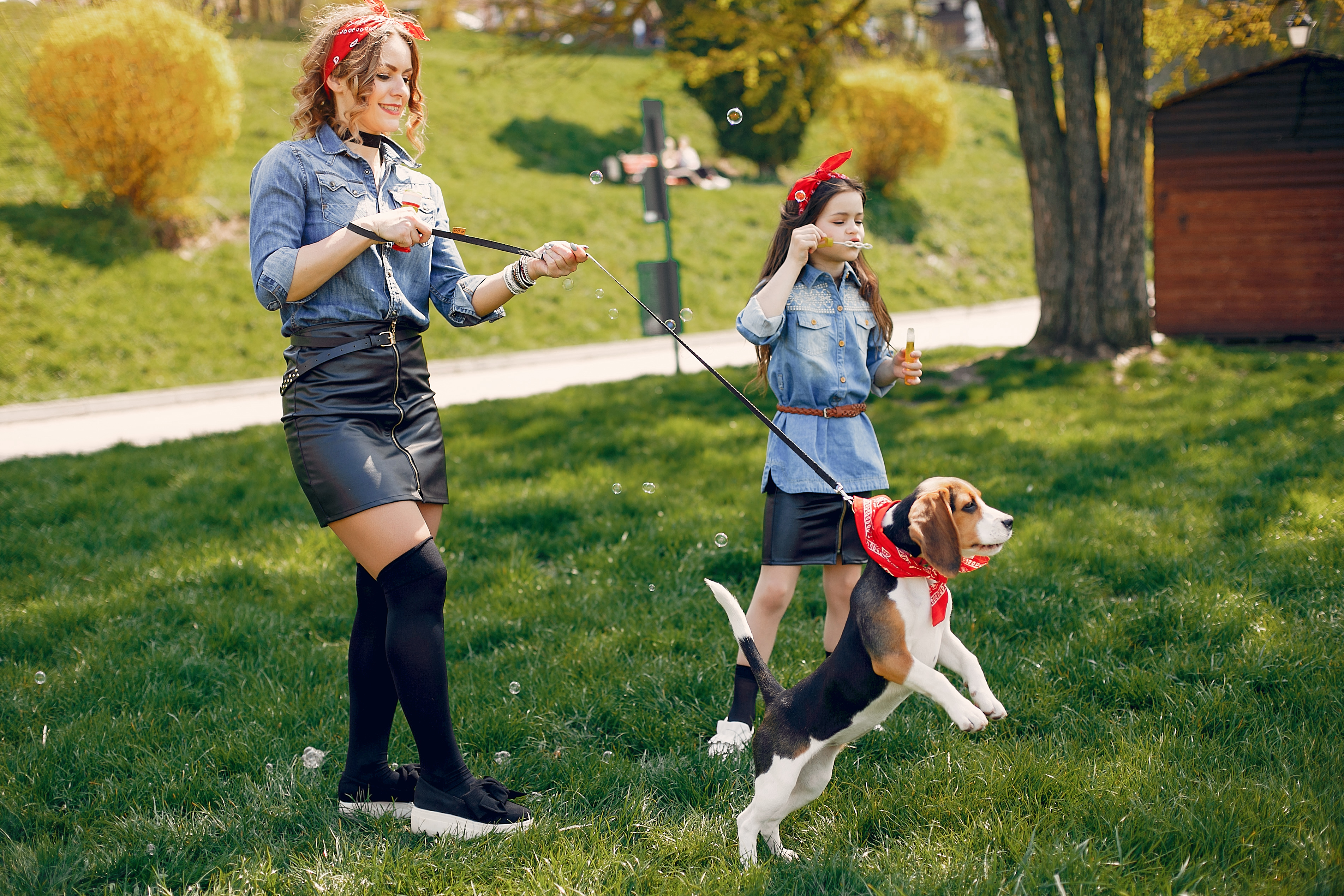
Transforming a simple walk into a training session is a win-win for both you and your dog. Not only does it provide physical exercise, but it also reinforces obedience training. This method takes advantage of the outdoor environment, which is filled with diverse stimuli. Incorporating commands like “sit,” “stay,” and “heel” during walks makes training practical and effective. It’s a seamless way to integrate learning into your pet’s daily routine.
Using positive reinforcement during these sessions can greatly enhance your dog’s willingness to learn. Rewarding good behavior with treats or praise helps establish a strong bond between you and your canine. This method is easy and enjoyable for both parties. By consistently implementing commands on walks, dogs start associating these activities with rewards.
Walking sessions also help in addressing distractions, which are common in outdoor environments. Encountering other dogs, people, and various noises provide perfect opportunities for your dog to practice focus. It teaches them to respond to commands despite the surrounding chaos. Consistent exposure to these elements will make your dog more adaptable and well-behaved.
End each walk with a bit of free time as a reward for good behavior. Let your dog sniff around or play for a few minutes. This gives them a sense of relaxation and accomplishment after training. Measuring progress through small, consistent improvements will show that your efforts are paying off. It’s not just a walk; it’s a training journey toward obedience and harmony.
When you integrate training with daily walks, it elevates the routine to a powerful multi-tasking activity. Instead of seeing it as just exercise, you can use this time to enhance your dog’s obedience skills. Each walk becomes an opportunity to practice essential commands, which makes learning practical and consistent. This method leverages the natural distractions of the outdoors to teach focus and responsiveness.
A key benefit is increased mental stimulation for your dog. Engaging in training exercises during walks challenges your dog’s brain, keeping them sharp and attentive. This helps prevent boredom, which can lead to unwanted behaviors. Plus, the combination of physical and mental exercise makes for a tired but well-behaved dog.
Training during walks also strengthens the bond between you and your pet. Consistent interaction and communication build trust and understanding. It allows you to address behavior issues in real-time, reinforcing desired behaviors immediately. Your dog learns to associate following commands with positive outcomes, enhancing their overall behavior.
Another major advantage is the adaptability of your dog to various environments. Different terrains, noises, and smells teach your dog to remain focused despite distractions. This adaptability proves beneficial in different social situations, making your dog more reliable and obedient. The dynamic surroundings during walks offer real-world challenges that cannot be replicated in a controlled environment.
Incorporating essential commands during outdoor walks enhances both your dog’s discipline and safety. One crucial command is “heel,” which keeps your dog walking beside you without pulling on the leash. This ensures that your walks are orderly and enjoyable. Another key command is “sit,” useful for moments when you need your dog to stay calm, like crossing a busy street.
“Stay” is another vital command to practice during outdoor walks. This command teaches your dog to remain in place until you give them the release cue. It is particularly beneficial in situations where you need to keep your dog under control, ensuring their safety. Practicing “stay” in different environments helps your dog learn to focus amid distractions.
Equally important is the “come” command, which is essential for recall. It teaches your dog to return to you immediately upon hearing the cue. This command can prevent potentially dangerous situations, such as your dog running into traffic. Consistently practicing “come” in varied environments strengthens their response reliability.
Additionally, the command “leave it” can be lifesaving during walks. This cue instructs your dog to ignore or leave something they find on the ground. Whether it’s food scraps or other dangerous objects, teaching “leave it” ensures they stay safe. By reinforcing these commands during walks, you promote better obedience and a more enjoyable outing for both of you.
Positive reinforcement is a powerful tool in dog training, promoting good behavior through rewards. Offering treats, praise, or toys whenever your dog obeys a command encourages them to repeat the behavior. This method strengthens the bond between you and your pet, making them more eager to learn. It’s a humane and effective way to train dogs of all ages. Consistency in using positive reinforcement leads to lasting results.
When training outdoors, positive reinforcement can be particularly useful. The presence of distractions like other dogs and people can make training challenging. By rewarding your dog for compliance amidst these distractions, you reinforce their ability to focus. This helps them remain attentive and behave well in different environments. Over time, your dog will associate obedience with positive experiences.
Besides treats, consider using verbal praise and physical affection as rewards. A simple “good dog” or a pat on the head can be very motivating for your pet. It’s important to vary the rewards to keep your dog engaged and excited about training. While treats are effective, combining them with praise and playtime ensures a well-rounded reward system.
Timing is crucial in positive reinforcement training. Rewards must be given immediately after the desired behavior to reinforce the connection. Delayed rewards can confuse your dog and weaken the training process. Clear and timely reinforcement helps your dog understand exactly which behavior is being praised.
It’s also essential to gradually phase out treats as your dog becomes more adept at following commands. Replace treats with praise and affection to maintain obedience without over-relying on food rewards. This transition ensures your dog remains motivated by the positive relationship with you. Ultimately, the goal is to have a well-behaved dog that responds to commands even without the promise of treats.
Training using positive reinforcement aligns with modern, humane training techniques. It fosters a trusting and respectful relationship between you and your dog. Consistent practice and rewarding good behavior positively impact your dog’s overall behavior and obedience. Your dog learns to enjoy the training process, leading to a happier, healthier pet.
Outdoor training often means dealing with various distractions that can challenge your dog’s focus. Encountering other dogs, people, and noises can divert their attention from commands. To manage this, start training in quieter areas before gradually moving to busier environments. This step-by-step approach helps your dog get accustomed to different stimuli without becoming overwhelmed. Consistent practice in varied settings improves your dog’s ability to maintain focus.
Using high-value treats is another effective strategy to keep your dog engaged during outdoor training. These are special treats that your dog finds particularly rewarding and motivating. Reserve these treats exclusively for outdoor training sessions to make them more enticing. This way, your dog associates these exciting rewards with staying focused during walks. The promise of a tasty treat can help redirect their attention back to you.
It’s important to recognize and address setbacks without frustration. Dogs may have days when they are more distracted or less responsive. Instead of getting impatient, take a step back and assess the situation. Sometimes returning to a simpler training task can help refocus your dog. Be patient and persistent, understanding that consistency will yield steady progress over time.
Another method to handle distractions is to incorporate short, spontaneous training exercises. These can vary from basic commands like “sit” and “stay” to more complex tasks. Keeping these sessions short and varied helps maintain your dog’s interest. It also teaches them to shift their focus back to you, despite surrounding distractions. Regularly changing activities prevents training from becoming monotonous for your dog.
Employing a “watch me” command can be particularly helpful. This command trains your dog to look at you directly, thus diverting their attention from distractions. You can practice this command by holding a treat near your face and rewarding your dog when they make eye contact. Gradually, your dog will learn to seek your attention in distracting situations. This not only improves behavior but also strengthens your bond.
Incorporating these techniques can make handling distractions and setbacks during outdoor training more manageable. Your dog learns to navigate different environments while staying attentive to your commands. With patience and practice, outdoor training becomes a positive and productive experience for both you and your pet.
Maintaining consistency in obedience training is crucial for success. Dogs thrive on routine, so regular training sessions help reinforce commands. Aim to practice commands daily, even if it’s just for a short period. Consistency helps your dog understand expectations and reduces confusion. This steady approach makes training a natural part of their daily life.
Measuring progress in your dog’s obedience training can be motivating and informative. Keep a training log to track your dog’s improvements and note any setbacks. Record the commands practiced, and any successes or challenges faced. This will help identify areas needing more focus. Over time, you’ll see patterns and can adjust your training methods accordingly.
Using a mix of verbal praise, treats, and playtime as rewards can maintain consistency in training. Variety in rewards keeps your dog engaged and excited about learning. It prevents training from becoming monotonous, ensuring your dog remains motivated. Additionally, varying the rewards helps to strengthen the bond between you and your dog. Each positive interaction reinforces their good behavior.
Periodic assessments are essential to measure your dog’s progress accurately. Conduct these assessments in different environments to test how well commands are understood. For example, practice commands in your backyard, at a park, or on a busy street. This will gauge your dog’s obedience in various scenarios and improve reliability. Consistent assessments highlight improvements and areas needing more work.
Setting specific, achievable goals helps in maintaining consistency and measuring progress. Break down each command into smaller, manageable steps. Celebrate small victories to build your dog’s confidence and keep them motivated. Achieving these small goals leads to larger successes, making training a rewarding experience. This structured approach ensures steady improvement.
By staying consistent and regularly measuring progress, you can achieve significant improvements in your dog’s obedience. Documenting progress and adapting training methods as needed ensures sustained development. It makes the process clear and focused, benefiting both you and your dog. This dedication leads to a well-trained, confident, and happy pet.

Training your dog during outdoor walks can boost both their physical fitness and obedience skills. These FAQs address common questions on making the most out of your walking sessions.
Begin incorporating training into your walks by starting with simple commands. Choose a quiet area with minimal distractions to help your dog focus better. Gradually introduce commands like “sit,” “heel,” and “stay.” Be patient and keep the sessions short to keep your dog engaged. Regular practice will build their confidence and obedience.
Using high-value treats can motivate your dog to follow commands during walks. Always praise your dog when they perform well, mixing verbal and treat rewards. Consistent practice and positive reinforcement will make these commands second nature. As your dog improves, introduce more distractions to strengthen their focus and obedience in different environments.
Positive reinforcement works because it encourages your dog to repeat good behavior. Dogs are motivated by rewards like treats, playtime, and praise. Rewarding them immediately after they obey a command helps them understand what is expected. This method builds a strong, trusting bond between you and your pet.
Positive reinforcement training is also humane and enjoyable for both the dog and the trainer. It fosters a positive learning environment without fear or punishment. Over time, your dog will associate positive experiences with training, leading to consistent obedience. This approach generally results in happier and well-adjusted dogs.
Key commands to practice during walks include “heel,” “sit,” “stay,” and “come.” “Heel” teaches your dog to walk beside you without pulling, making walks enjoyable. “Sit” can help keep your dog calm at intersections or when meeting new people. “Stay” ensures your dog remains in place until released, which is crucial for safety.
The “come” command is essential for reliable recall, ensuring your dog returns to you promptly. Practicing these commands in varied environments improves your dog’s adaptability and obedience. Using these commands regularly during walks helps reinforce their importance. Your dog will gradually find it easier to execute these commands even amidst distractions.
Introduce gradually increasing levels of distractions during your training walks. Start in a quiet area and slowly move to busier places as your dog becomes more confident. Use high-value treats to hold your dog’s attention and reward compliance. Practicing commands in different settings ensures your dog learns to focus despite distractions.
Incorporate short, engaging training exercises to divert your dog’s attention from distractions. Use commands like “watch me” to encourage direct eye contact, shifting their focus to you. Regular practice of these techniques will help your dog ignore distractions and stay attentive. Patience and consistency are key to mastering this skill.
Keeping a training log is an effective way to measure your dog’s progress. Record the commands practiced, your dog’s responses, and any challenges faced. Note down improvements and areas needing more work. This helps in adjusting your training methods for better results.
Conduct periodic assessments in different environments to gauge comprehension and adaptability. Set specific, achievable goals and celebrate small successes to keep motivation high. Regularly review your dog’s progress to ensure consistent improvement. This systematic approach will lead to a well-trained, obedient dog over time.
Incorporating training into your daily walks transforms a routine activity into a valuable learning session for your dog. By combining commands with positive reinforcement, you can enhance your dog’s obedience and focus. This approach not only improves behavior but also strengthens the bond between you and your pet.
Consistency and patience are key to successful training. Regular practice and adapting to different environments help your dog become more reliable and well-behaved. Ultimately, this method leads to a happier, healthier, and more obedient dog, ensuring a harmonious relationship.