
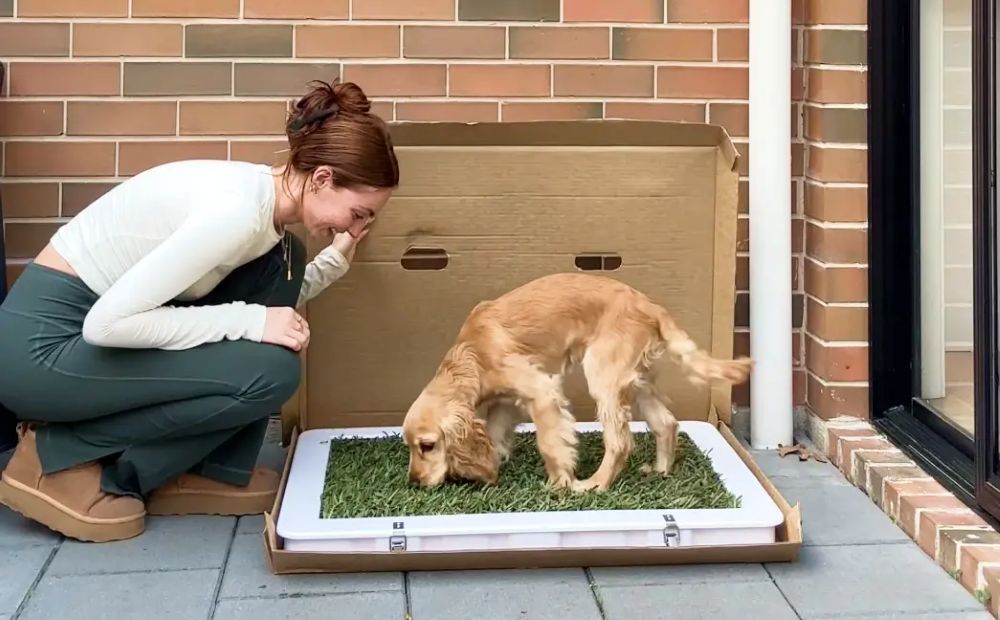
Potty training your dog can feel like a marathon, not a sprint. Most pet owners wonder how long the process will actually take and what they can do to speed things up. The timeline varies quite a bit depending on your dog’s breed, age, personality, and how consistent you are with training. Some dogs catch on in a few weeks, while others need several months of practice, and that’s totally normal. Private dog lessons can help if you’re struggling with the process, but understanding the basics and having realistic expectations will set you up for success.
Several things affect how quickly your dog learns to go potty outside. Breed matters; some dogs are naturally faster learners, while others need more repetition. Younger puppies have smaller bladders and less control, so they need more frequent bathroom breaks than older dogs. How consistent you are with your training schedule makes a huge difference, too. Your dog’s personality and living situation also play a role in how fast they pick things up. Knowing these factors helps you adjust your approach and stay patient when progress feels slow.
Here’s what you should keep in mind when potty training your dog:
Dogs do best when they know what to expect. Set up a daily schedule for feeding, walks, and potty breaks, then stick to it. Take your dog out first thing in the morning, after every meal, before bed, and every few hours during the day. Use the same door each time and pick one spot outside where you want them to go. Give them time to sniff around and do their thing. When they go potty outside, make a big deal out of it with treats and praise. If accidents happen inside, clean the area really well so they’re not tempted to go there again.
Rewarding good behavior is the fastest way to train your dog. Here’s what works:
Problems will pop up during training, but you can handle them. If your dog is having frequent accidents, you might need to take them out more often and stick to a tighter schedule. Indoor marking happens when dogs feel territorial. Clean those spots thoroughly with an enzyme cleaner, and consider getting your dog spayed or neutered. Some dogs pee when they’re excited or nervous, which usually means they’re overstimulated. Stay calm during greetings and avoid making a big fuss. If your dog was doing well but suddenly starts having accidents again, something in their routine or environment has probably changed. Stay patient, go back to basics, and get professional help if you’re stuck.
Pay attention to how your dog is doing and be ready to change things up if needed. Here’s what to focus on:
Related Topics: