
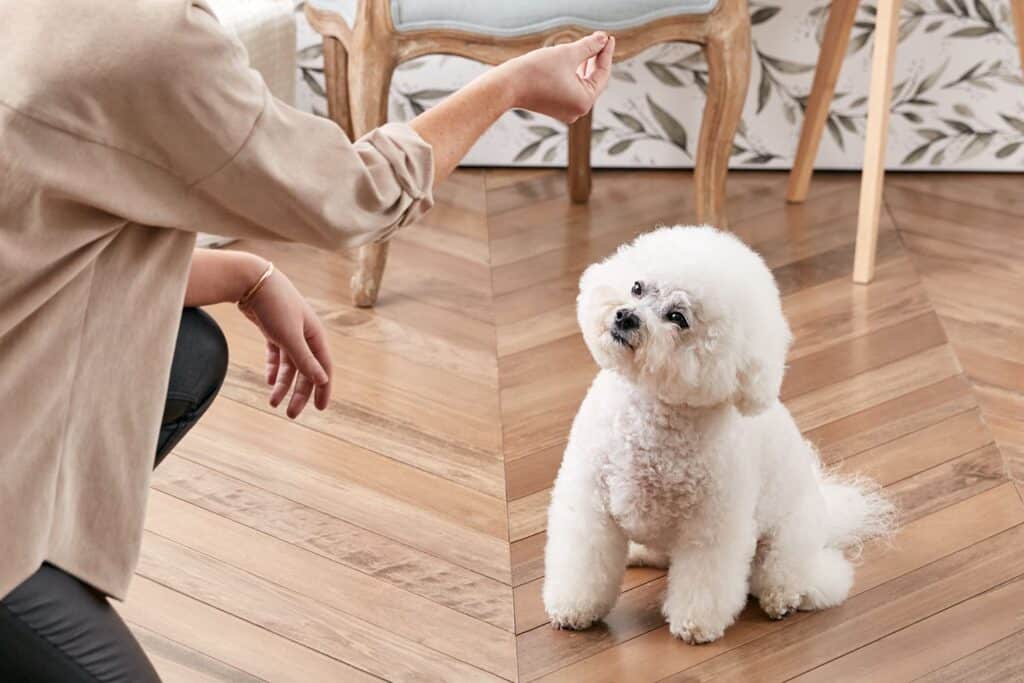
Teaching your dog to sit is one of the first commands you’ll tackle, and it’s easier than you might think. Dependable dog trainers recommend starting with this command because it’s the building block for pretty much everything else your dog will learn. In this guide, we’ll walk you through the exact steps to teach both puppies and adult dogs how to sit on command. You’ll learn how to set up the right environment, use rewards that actually work, and fix common problems that pop up during training. By the end, you’ll have a solid plan to get your dog sitting reliably.
Teaching your dog to sit starts with understanding what you’re actually asking them to do. Sitting is a basic command that becomes the foundation for other skills like stay, down, and come. You want your dog to know that sitting means staying calm and controlled in one spot. This isn’t just useful for showing off to friends; it’s how you keep your dog focused during meals, at the door, or when guests arrive. The key is to be consistent every time you practice. Treats and praise work way better than punishment or frustration. Keep in mind that repetition is your best friend when teaching this command.
Before you start training, you need the right setup, or you’re just making things harder on yourself. Pick a quiet spot where your dog won’t get distracted by every little thing. Here’s what you need to do:
Using rewards is the best way to train your dog to sit and actually enjoy doing it. Right after your dog sits, give them a treat, some praise, or a quick play session. This creates a link in their brain between sitting and good things happening. Make sure everyone in your house rewards the same way so your dog doesn’t get mixed signals. Keep your training sessions short, like 5 to 10 minutes tops, so your dog doesn’t get bored or overwhelmed. Every dog learns differently, so pay attention to what gets your dog excited and adjust accordingly.
Sticking to the same training approach is what makes everything click for your dog. When you’re consistent, your dog knows exactly what you expect from them. Here’s why it matters so much:
Sometimes training hits a snag, and that’s totally normal. If your dog seems unmotivated, try switching to better treats or their favorite toy. Another issue is when different people use different commands or rewards; this just confuses your dog. Make sure everyone uses the same words and gives the same rewards. Some dogs get distracted easily or feel nervous around new things. Take it slow and gradually expose them to these situations to help them build confidence. Patience and positive rewards are what get you through the rough patches. Once you figure out what’s tripping your dog up, training becomes way more fun for both of you.
Once your dog can sit reliably in a quiet room, it’s time to make things harder. Adding distractions helps your dog learn to focus and obey even when there’s activity around them. Here’s how to do it:
Related Topics: