
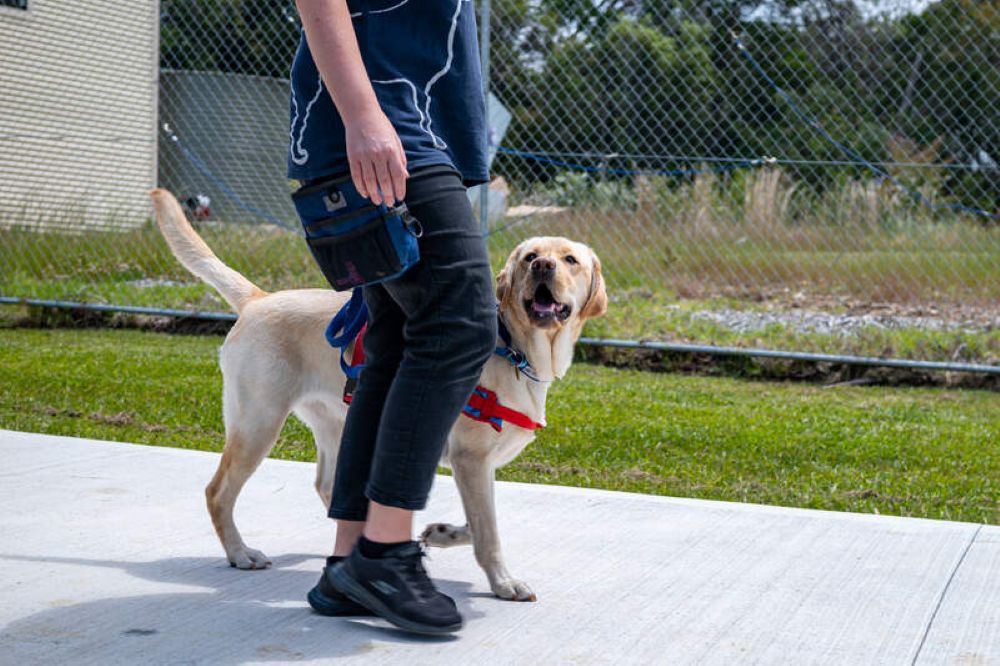
Training your own service dog is totally doable if you know the basics and stay committed to the process. While some people hire a private dog trainer, you can handle this on your own with the right approach and mindset. This guide will walk you through the fundamental tasks your service dog needs to learn, how to set up a training schedule that actually works, and ways to tackle behavioral issues when they pop up. You’ll learn about positive reinforcement methods that make training easier for both you and your dog. With patience and the proper techniques, you can train a service dog to meet your specific needs.
Service dog training is all about teaching your dog specific tasks that help you with daily activities. These tasks include picking up dropped items, opening doors, helping you stay balanced, or alerting you when something’s wrong with your health. The best way to get your dog to learn is through rewards – treats, praise, and playtime when they do something right. You’ll want to be clear about what you’re asking for and stick to the same cues every time. When you’re consistent and patient, your dog will catch on faster, and you’ll build a stronger relationship along the way.
Dogs learn better when they know what to expect each day. Set up a daily schedule that includes short training sessions, meal times, exercise, and downtime. Pick specific times for training and keep these sessions brief – 10 to 15 minutes – so your dog stays focused and doesn’t get overwhelmed. Throw in regular bathroom breaks and play sessions to keep your dog happy and mentally sharp. When you stick to the same schedule every day, your dog will understand what’s expected and pick up new skills faster.
Positive reinforcement means rewarding your dog right after they do something you want them to do. Use treats, verbal praise, toys, or pets as rewards the moment your dog gets it right. This helps your dog connect the behavior with something good, which makes them want to do it again. The trick is being consistent – only reward the behaviors you actually wish to, and do it every single time at first. Don’t punish mistakes; just guide your dog back to the correct behavior and reward that instead. This approach builds trust and makes training something your dog actually enjoys.
Teaching specific tasks takes time and a clear plan. Break down whatever you’re trying to teach into small, manageable steps your dog can handle. If you’re teaching retrieval, start by getting your dog interested in the object, then picking it up, and finally bringing it to you. Practice the same thing over and over until it clicks. Keep training sessions short and always end on a good note so your dog stays excited about learning. Remember that every dog learns at their own speed, so don’t rush it.
When your dog starts acting out or not responding, figure out why. Is your dog scared, confused, or just distracted? Once you know the cause, you can fix it. Reward the behaviors you like and redirect the ones you don’t. Stay consistent with how you respond to behaviors – if you let something slide one day and correct it the next, your dog will get confused. Changing behavior takes time, so don’t get discouraged. Look for advice from online training communities or experienced handlers if you’re stuck.
Training a service dog takes serious commitment, but it’s worth it. Here are some things to keep in mind:
Related Topics: