
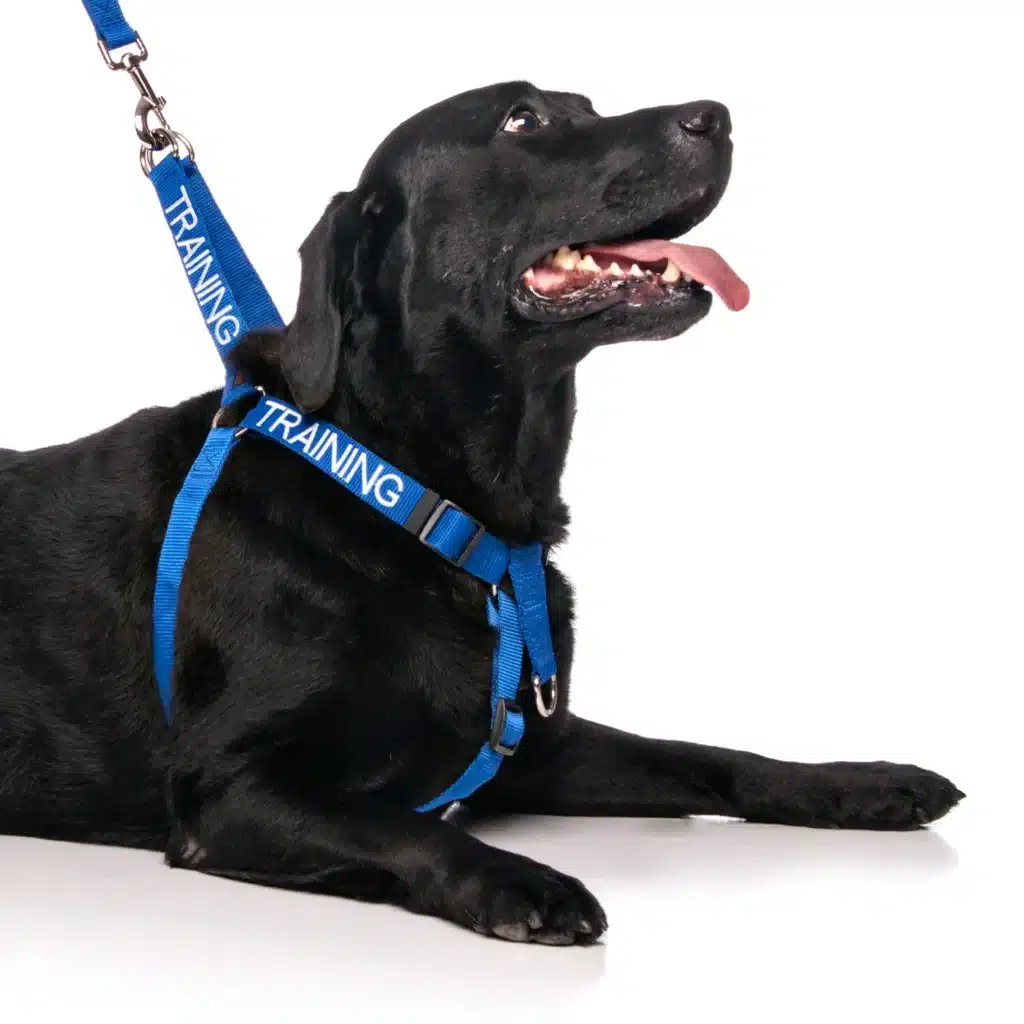
To leash train a dog well, pick a six‑foot leash that’s sturdy and introduce it in a positive way. Use a relaxed grip and gentle guidance rather than force. Reward good behavior with praise or treats so your dog links walking nicely with a pleasant outcome. Choose a collar or harness that fits properly and doesn’t cause discomfort. Start indoors, then move to short outdoor walks. When your dog pulls, pause, wait for them to settle, and then continue. If trouble arises, stay composed, notice what triggers pulling, and reach out to professional dog trainers in Woodbridge for guidance. Persistence and patience make leash training work.
Leash training begins with teaching your dog how to wear the gear without tension. Let your dog sniff the leash first so it becomes familiar. When you attach it, walk slowly and allow your dog to adjust. Keep the leash loose. If your dog pulls ahead, gently steer or pause to bring them back. The goal is to walk together rather than drag. Verbal encouragement, calm movements, and steady pacing help your dog feel confident and willing.
The tools you use affect how smoothly training goes. A leash should feel comfortable in your hand and be durable enough for your dog’s strength. A length of around four to six feet typically works best. Collars should neither choke nor slip off. Harnesses often provide more control and reduce strain on the neck, especially for energetic dogs or those still learning. Fit the gear carefully so your dog can move naturally without risk of slipping out or getting hurt.
You want your dog to think leash time is a good time. Whenever your dog accepts the leash calmly, reward them. Let leash introduction be fun, play or walk briefly indoors so your dog doesn’t feel pressured. Once your dog seems comfortable, move outside for short sessions. Keep interactions light and positive, not heavy with correction. Gradual exposure helps your dog look forward to walks rather than resist them.
Loose leash walking means your dog moves beside you without tension in the strap. Begin walking slowly, with no pulling. If your dog starts pulling ahead, stop in place until they return to your side. Then resume walking and reward the behavior. Over time, your dog learns that pulling on the leash progresses, while staying by your side earns forward movement. Practice in different settings so your dog generalizes the behavior beyond your home or yard.
Training will sometimes stall or regress. In these moments, staying calm is critical. Notice what makes your dog pull, distractions, people, or other animals, and reduce exposure temporarily. Adjust distances, simplify steps, or slow your pace. If you don’t see steady progress after some effort, seek help from a skilled trainer. Fresh perspective and guidance can get you back on track.
Your dog learns best when expectations remain stable. Use the same commands each time, reward the same behaviors, and correct in a predictable way. Train at the same times and along familiar paths until the behavior is strong enough to carry into new surroundings. Inconsistency confuses dogs. Sticking to your method reinforces trust and clarity, which leads to reliable walking behavior in the long term.
Related Topics:
Proven methods. Lasting results.