
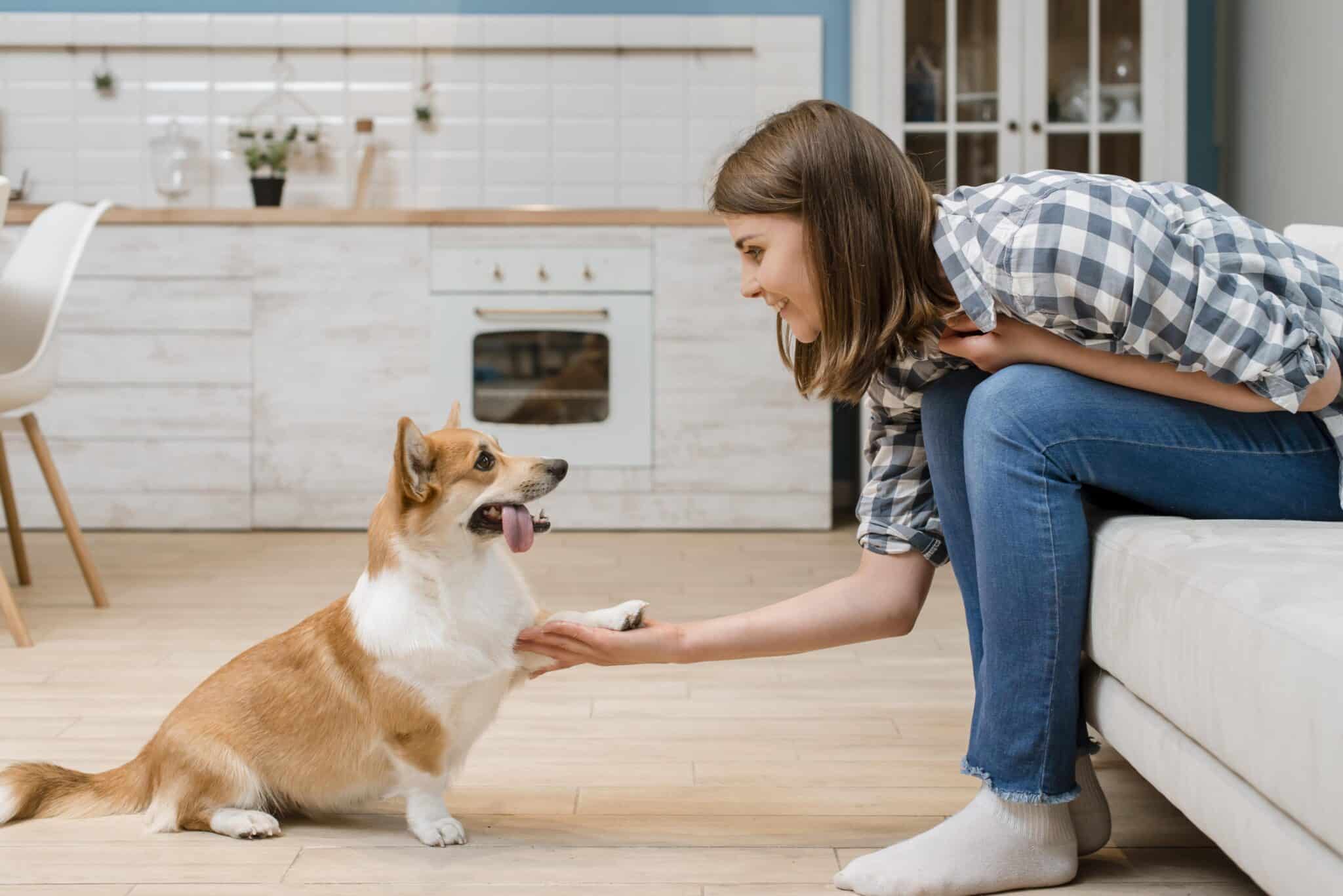
Teaching a puppy respect is really about setting consistent boundaries. It helps shape good behavior over time if you stick with positive reinforcement. Puppy training works best when you use simple, clear communication that your puppy can actually understand. Trust builds slowly, and respect grows on its own as they start figuring out what’s okay and what’s not.
It’s not about being the boss or scaring them into behaving, far from it. You want your puppy to see you as someone steady, someone worth listening to. Some days it feels like nothing’s working, and yeah, you’ll probably question if you’re making any progress. That’s totally normal. Getting guidance from local dog training in Woodbridge, VA, can help keep things on track and make it feel less overwhelming.
Puppies communicate constantly through body language, sounds, and actions. That tail wagging doesn’t always mean happiness; sometimes it signals excitement or even anxiety. Watch for subtle cues like ear position, body posture, and eye contact to understand what your puppy needs.
Your puppy’s chewing, digging, or jumping behaviors aren’t acts of rebellion. They’re natural instincts that need proper direction. When you notice these behaviors, redirect them toward appropriate outlets rather than simply saying “no.” This approach builds understanding instead of fear.
Clear boundaries help puppies feel secure rather than restricted. Dogs actually thrive when they know what to expect from their daily routine. Set specific rules for feeding times, potty breaks, and play sessions that everyone in your household follows consistently.
Here’s where many new puppy parents struggle: mixed signals from different family members. If Mom allows the puppy on the couch but Dad doesn’t, confusion develops quickly. Get everyone on the same page before your puppy arrives home.
Slow Your Roll: Rushing the bonding process often backfires. Let your puppy adjust to their new environment gradually. Some dogs need weeks to fully settle in, and that’s perfectly normal. Pushing too hard, too fast, can damage trust before it even develops.
Give Them Personal Space: Every puppy needs a quiet retreat where they won’t be disturbed. Set up a comfortable crate or designated area where your puppy can decompress. This space should be off-limits to children and other pets when your puppy is resting.
Become Their Protector: Step in when your puppy feels overwhelmed by new situations or people. This doesn’t mean isolating them, but rather managing interactions so they stay positive. Your puppy should learn that you’ll advocate for them when needed.
Comfort During Fear: Contrary to old-school thinking, comforting a scared puppy won’t create more fearful behavior. Gentle reassurance during thunderstorms or vet visits actually strengthens your bond. Your calm presence becomes a source of security they’ll seek out naturally.
Discover Their Favorites: Pay attention to what makes your puppy’s tail wag genuinely. Maybe they love belly rubs more than treats, or perhaps they get excited about car rides but couldn’t care less about squeaky toys. Use these preferences as powerful motivators during training.
Listen Actively: Your puppy tells you things constantly if you’re paying attention. Whining might signal a need for potty time, not attention-seeking. Restlessness could indicate too much pent-up energy. Learning to interpret these signals prevents many behavioral issues.
Bedroom Access: Allowing your puppy to sleep in your bedroom (not necessarily on your bed) strengthens your bond significantly. This proximity helps with house training since you’ll hear them if they need to go out during the night. It also reinforces your role as pack leader through close proximity.
Positive Training Focus: Reward-based training builds enthusiasm for learning instead of fear of making mistakes. Puppies trained with positive methods tend to be more confident and eager to please throughout their lives.
Simple, clear commands work better than lengthy explanations. Your puppy doesn’t understand “Please don’t chew my favorite shoes because they were expensive.” They do understand “Leave it” when consistently paired with redirection to appropriate chew toys.
Timing matters more than most people realize. Praising your puppy three minutes after they sit won’t connect the behavior to the reward in their mind. Immediate feedback, within seconds, creates those crucial learning connections.
Trust develops through countless small interactions rather than single dramatic moments. Feeding your puppy regularly, keeping training sessions short but frequent, and staying calm during accidents all contribute to their sense of security with you.
Some puppies naturally gravitate toward respectful behaviors, while others test boundaries more frequently. Neither approach reflects their potential as adult dogs. Consistent responses from you shape their behavior over time, regardless of their starting personality.
The relationship you build during puppyhood sets the foundation for years of companionship. Puppies who learn to respect their owners through positive methods typically become confident, well-adjusted adult dogs who genuinely enjoy training and following household rules.
Your puppy wants to please you, even when their behavior suggests otherwise. Sometimes that shoe-chewing phase feels endless, but maintaining consistent boundaries while showing patience pays off. The respect you’re building now creates a partnership that benefits both of you throughout your dog’s lifetime.
We’re here to help transform your dog’s behavior and strengthen your bond. Whether you’re ready to start training or just have questions, reaching out is easy.
Call Us: (571) 583-5884
Email Us: [email protected]
Location: 2627 Hanco Ctr Dr, Woodbridge, VA 22191
Fill out our online contact form with your details and how we can assist your dog. We’ll respond promptly to discuss the best training options for you.
Ready to experience the transformation? Contact us today, and let’s work together to achieve the obedient, off-leash dog you’ve always wanted.
Related Topics: