
Your dog just destroyed another pair of shoes. Or the couch cushion. Or the corner of the baseboard trim.
If you are searching for how to stop a dog from chewing everything, you are not alone, and your dog is not hopeless. Chewing is a deeply instinctive behavior for dogs, but when it becomes destructive, it is a signal that something in your dog’s environment, routine, or emotional state needs attention.
This guide explains why dogs chew household items, how to redirect that behavior, and what training and management strategies may help. You will also find out when chewing may point to a deeper issue worth discussing with a veterinarian or qualified dog trainer.
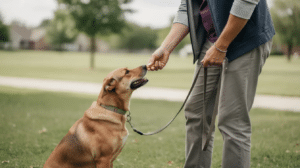
Chewing is not a behavior you can train out of a dog entirely, and trying to do so would not serve them well. Chewing is a normal behavior that can help dogs explore, stay occupied, relieve mild frustration, and use their jaws. The goal is never to eliminate chewing but to direct it toward appropriate outlets.
That said, chewing becomes a problem when it is aimed at furniture, shoes, walls, cords, or other household items. Understanding why it is happening is the most important first step.
Puppy Teething
Puppies usually begin losing their baby teeth around three to four months of age as adult teeth come in. During this period, chewing may help relieve gum discomfort. Most puppies have their adult teeth by around six months, but chewing habits can continue if they are not guided toward appropriate outlets.
Boredom and Excess Energy
A dog with too much unused energy and not enough mental stimulation will find something to do. Chewing is often something. This is especially common in high-energy breeds that are not getting sufficient daily exercise or mental engagement.
Separation Anxiety
Dogs that experience separation anxiety may chew destructively when left alone. Chewing is not spite or revenge. It may be a stress response connected to the dog’s distress about being separated. Dogs with separation anxiety may chew household items, owner-scented objects, or areas near exits such as doors and windows. Other signs may include pacing, barking, whining, escape attempts, or accidents when left alone.
Stress and Environmental Changes
New pets, new people in the home, moving, or changes in a daily routine can contribute to stress-related chewing. Some dogs may chew more when they feel unsettled, frustrated, or unsure about changes in their environment.
Lack of Supervision and Training
Young dogs and newly adopted dogs often do not yet know the household rules. Without supervision and clear guidance, they will chew whatever is available. This is not misbehavior. It is the natural result of a dog being given unsupervised access before they are ready.
The Difference Between Normal and Destructive Chewing
Normal chewing means a dog regularly gnaws on appropriate chew toys, food-stuffed toys, or other veterinarian-approved chew items without causing household damage. Destructive chewing is when a dog consistently targets furniture, clothing, structural elements, or dangerous items like electrical cords. Destructive chewing signals that the dog’s needs are not being met or that they have not been given the tools to make better choices.
Learning how to stop a dog from chewing everything begins with addressing the root cause rather than simply reacting to the damage. The following strategies work together as a system rather than as isolated quick fixes.
Step 1: Dog-Proof the Environment
Remove the temptation before you remove the behavior. Put shoes in closets. Keep laundry off the floor. Use baby locks on low cabinets. Block access to rooms that contain furniture or items your dog has targeted. Baby gates and exercise pens are practical tools for limiting a dog’s unsupervised access while training is still in progress.
This is not a permanent solution on its own, but it protects your belongings and prevents the dog from repeatedly practicing the wrong behavior.
Step 2: Provide Appropriate Chew Toys
Every dog needs something to chew on. Offering a rotation of appropriate chew toys gives your dog a legitimate outlet. Rubber chew toys, food-stuffed toys, and safe chews that match your dog’s size and chewing strength are good options to consider. Avoid very hard items that could damage teeth, and supervise chews that may break apart or become choking risks.
Rotate the toys regularly so they stay interesting. A toy your dog has ignored for a week suddenly becomes appealing again when reintroduced.
Do not offer old shoes or worn clothing as chew toys. Dogs cannot distinguish between an old shoe you no longer want and your current pair.
Step 3: Use Redirection, Not Punishment
When you catch your dog chewing on something off-limits, calmly interrupt the behavior and offer an appropriate chew toy instead. When they accept it and begin chewing, praise them.
Punishing a dog after the fact does not work. If you discover chewed furniture an hour later, your dog has no way to connect your reaction to the earlier behavior. Punishment in that moment only creates confusion and anxiety, which can worsen chewing. Redirection is safer and more useful than punishment because it teaches the dog what to do instead. Calmly interrupting the behavior, offering an appropriate chew item, and rewarding the better choice helps build a clearer habit.
Step 4: Use Crate Training and Supervised Spaces
Crate training can be a helpful management tool when it is introduced gradually and positively. A crate or secure dog-safe space can limit access to unsafe items when you cannot actively supervise your dog. It should be comfortable, properly sized, and never used as punishment. Many dogs can learn to relax in a crate when it is introduced slowly, paired with positive experiences, and used appropriately.
The crate should never be used as punishment. It should be introduced gradually, associated with positive experiences, and stocked with comfortable bedding and a chew toy. Many dogs can learn to relax in a crate when it is introduced slowly, paired with positive experiences, and used appropriately.
Step 5: Increase Exercise and Mental Enrichment
Appropriate activity can help reduce boredom-related chewing. Make sure your dog is getting enough physical exercise for their age, breed, health, and energy level. Daily walks, fetch, tug, and supervised play in a secure area can all help.
Beyond physical exercise, mental enrichment is just as important. Puzzle feeders, sniff mats, food-dispensing toys, and short training sessions all challenge a dog’s mind and reduce the urge to self-entertain through destructive chewing.
Step 6: Use Deterrent Sprays for High-Risk Areas
Bitter-tasting deterrent sprays are available at most pet supply stores and can be applied to furniture legs, baseboards, or other surfaces your dog targets. They are not a standalone solution, but when combined with redirection and supervision, they can help break the habit of returning to specific spots.
Obedience training does more than teach your dog to sit. It builds the communication and impulse control your dog needs to make better choices on their own.
“Leave It”
The “leave it” command teaches your dog to disengage from something they want. This is one of the most practical obedience cues for managing chewing, scavenging, and other unwanted behaviors. Practice it regularly with low-stakes items and gradually build up to things your dog finds more appealing.
“Drop It”
Teaching your dog to release an item from their mouth on cue is another essential skill. It is especially useful when a dog has already picked up something they should not have.
Impulse Control Exercises
Simple impulse control games, such as asking a dog to wait before eating, pause before going through a door, or hold a sit during excitement, build the mental discipline that carries over into everyday behavior. A dog with stronger impulse control is better equipped to resist the urge to grab or chew inappropriate items.
Basic Obedience Classes
Obedience training can teach foundational skills while giving your dog structured mental engagement. Skills like leave it, drop it, place, and recall can support better impulse control and make redirection easier. Training works best when it is practiced consistently at home, not only during formal lessons.
Even well-intentioned owners sometimes reinforce the very behavior they are trying to stop. Here are the most common missteps to avoid.
Giving Attention During the Behavior
Even negative attention, such as chasing a dog who has stolen a shoe, can reward the behavior. Some dogs learn that grabbing your belongings is a reliable way to get you to engage with them. Stay calm, redirect without chasing or pleading, and swap the item for a toy.
Punishing After the Fact
As covered above, punishment applied after the chewing has stopped teaches nothing useful and may make your dog anxious, which can increase chewing.
Leaving Too Much Freedom Too Soon
Giving a dog a full run of the house before they have earned it sets them up to fail. Freedom should expand gradually as your dog demonstrates reliable behavior in smaller, supervised spaces.
Inconsistency
Allowing chewing on a forbidden item one day and correcting it the next sends mixed signals. Everyone in the household needs to follow the same rules for the dog to understand what is expected.
Skipping Enrichment
Providing chew toys but no exercise or mental enrichment is only a partial fix. A bored dog will exhaust a chew toy quickly and move on to other targets. Enrichment and exercise address the underlying energy and engagement needs driving the chewing.
Many cases of destructive chewing improve with consistent home management, environmental adjustments, and basic training. However, some situations call for additional support.
Consider contacting a veterinarian if:
Consider working with a qualified dog trainer or behavior professional if:
Separation anxiety often benefits from a structured behavior modification plan and, in some cases, veterinary guidance. This is not a situation where patience alone is the solution. It usually requires gradual training that helps the dog build tolerance for being alone without panic.
If your dog’s chewing continues despite several weeks of consistent home management, reaching out to a professional dog trainer is a practical and worthwhile step. You do not need to keep replacing furniture or worrying about your dog’s safety. Help is available.
Understanding how to stop a dog from chewing everything starts with one key insight: chewing is not the problem. What and when a dog chews is the problem, and that is something you can change.
With environmental management, appropriate chew toys, consistent redirection, regular exercise, and basic obedience work, most dogs can be guided toward healthy chewing habits. Puppies may need more patience during the teething phase, while adult dogs dealing with boredom or separation anxiety may need more targeted enrichment or training support.
Be patient, stay consistent, and recognize that progress takes time. If you have put in the work over several weeks and the behavior has not improved, do not hesitate to consult a vet or a professional dog trainer who can assess your dog’s individual situation.
Your dog can learn better habits with clear guidance, consistency, and the right outlets for chewing.
Why does my puppy chew on everything, even though I give her toys?
Puppies often chew intensely during the teething phase, which commonly starts around three to four months and usually improves once adult teeth come in around six months. Even with plenty of toys available, they may still explore furniture, shoes, and other household items because chewing relieves gum discomfort and satisfies their natural curiosity. Rotating toys frequently, offering frozen or textured options, and consistently redirecting to appropriate items will help build better habits over time.
My adult dog never used to chew furniture. Why is he suddenly doing it?
A sudden change in chewing behavior in an adult dog often signals a change in the dog’s environment or emotional state. Boredom, separation anxiety, a shift in routine, or even an underlying health issue can trigger new chewing behavior. Rule out medical causes with a vet visit, then assess whether recent changes in your household, schedule, or the dog’s daily exercise and enrichment routine may be contributing factors.
Will crate training help stop destructive chewing?
Crate training can help manage destructive chewing, especially when you cannot actively supervise your dog. A properly introduced crate limits access to items the dog should not chew and can give many dogs a safe, comfortable resting space. It works best when introduced gradually and paired with positive associations rather than used as isolation or punishment.
Could my dog’s chewing be caused by separation anxiety?
It is possible, especially if the chewing only happens when your dog is left alone or if the items targeted tend to be ones that carry your scent. Other signs of separation anxiety include vocalization, pacing, destructive behavior near doors or windows, and inappropriate elimination. If you suspect separation anxiety, a veterinarian, qualified trainer, or behavior professional can help you decide on an appropriate behavior modification plan.
When should I call a professional dog trainer about chewing?
If you have been consistently redirecting, exercising your dog, providing enrichment, and using management tools for several weeks without meaningful improvement, it is a good time to reach out to a qualified trainer. Professional help is especially useful when chewing seems linked to anxiety, the behavior is escalating, or you are unsure how to structure training at home. A professional can assess your dog’s specific triggers and give you a clear plan tailored to your situation.